In the realm of industrial automation, proximity sensors stand as pivotal components, enabling non-contact detection of objects with precision and reliability. The structure of these sensors is a testament to advanced engineering, directly influencing their performance, durability, and application suitability. This article explores the intricate architecture of proximity sensors and highlights key enterprises that excel in their manufacturing, shaping the future of automation.
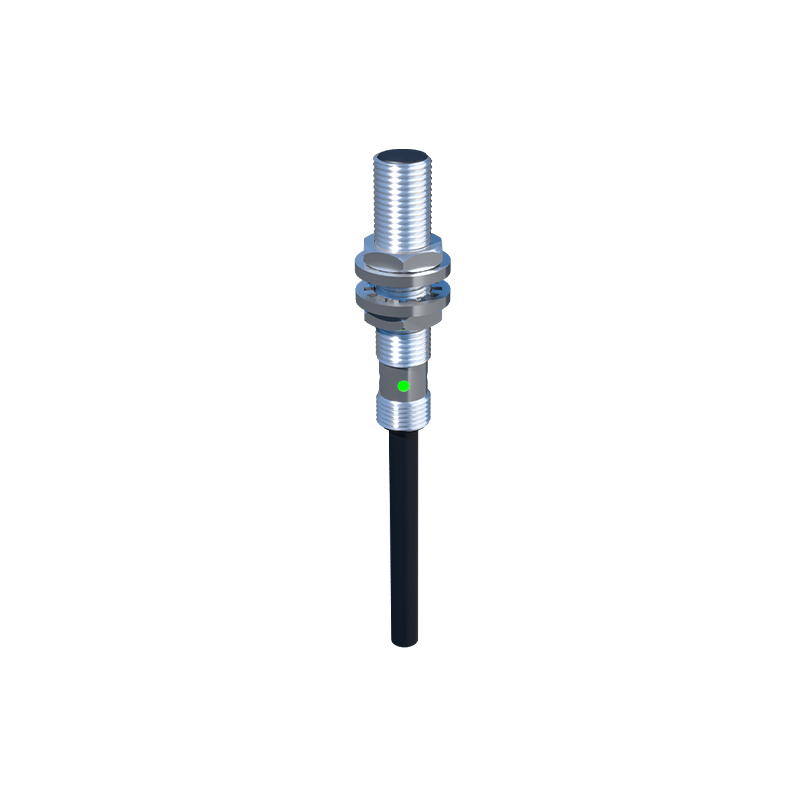
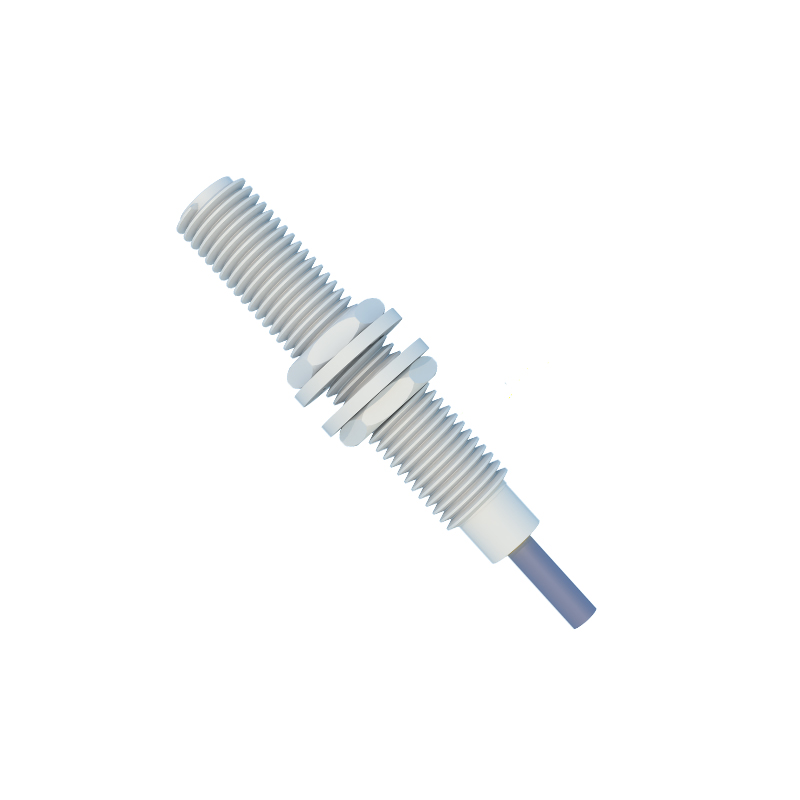
At its core, a proximity sensor typically comprises several fundamental structural elements. The sensing element, often based on inductive, capacitive, or photoelectric principles, detects the presence of an object without physical contact. Inductive sensors, for instance, utilize a coil wound around a ferrite core, generating an electromagnetic field. When a metallic object enters this field, eddy currents are induced, altering the oscillation amplitude and triggering a switch. Capacitive sensors, on the other hand, rely on changes in capacitance between the sensor electrode and the target, making them suitable for non-metallic materials. Photoelectric sensors employ a light emitter and receiver, detecting interruptions or reflections of light beams. Encasing these elements is a robust housing, usually crafted from materials like stainless steel, nickel-plated brass, or PBT plastic, ensuring protection against environmental factors such as moisture, dust, and mechanical stress. The internal circuitry, including oscillators, amplifiers, and output stages, is meticulously designed to convert detection signals into actionable outputs, often in the form of analog signals or digital switches.
Leading enterprises in this sector distinguish themselves through innovative structural designs and manufacturing prowess. Companies like Sick AG, headquartered in Germany, are renowned for their high-precision inductive and photoelectric sensors. Sick's sensors often feature compact, modular structures that allow for easy integration and customization in diverse industrial settings. Their housing designs prioritize IP67 or higher ingress protection, ensuring resilience in harsh environments. Another key player, Omron Corporation from Japan, excels in developing miniaturized sensor structures without compromising sensitivity. Omron's E2E series inductive proximity sensors, for example, incorporate advanced ASIC technology and shielded designs that minimize interference from adjacent metal objects, enhancing reliability. In the United States, Rockwell Automation offers robust sensor solutions with structures optimized for heavy-duty applications, such as those in automotive and packaging industries. Their Allen-Bradley line emphasizes durable metal housings and enhanced sensing ranges, backed by rigorous testing protocols.
European manufacturers like Pepperl+Fuchs also set benchmarks with their innovative approaches. Their sensors often include unique structural features like temperature compensation circuits and anti-weld coatings for welding applications, extending operational lifespans. Additionally, Balluff GmbH from Germany focuses on modular and IO-Link enabled structures, facilitating smart factory integration. These enterprises invest heavily in R&D to refine sensor architectures, addressing challenges like electromagnetic compatibility (EMC), thermal management, and energy efficiency.
The evolution of proximity sensor structures is closely tied to industry trends, including the rise of Industry 4.0 and IoT. Modern sensors are increasingly incorporating digital interfaces and diagnostic capabilities within their frameworks. For instance, smart sensors with embedded microprocessors can monitor their own health, predict maintenance needs, and communicate data via protocols like IO-Link or Ethernet/IP. This structural integration of intelligence transforms sensors from mere detection devices into critical data nodes in automated systems.
In conclusion, the structure of proximity sensors is a sophisticated blend of material science, electronics, and mechanical design. Enterprises that lead in this field combine technical expertise with a deep understanding of industrial demands, delivering sensors that offer reliability, versatility, and innovation. As automation advances, these manufacturers will continue to push structural boundaries, driving efficiency and safety across global industries.