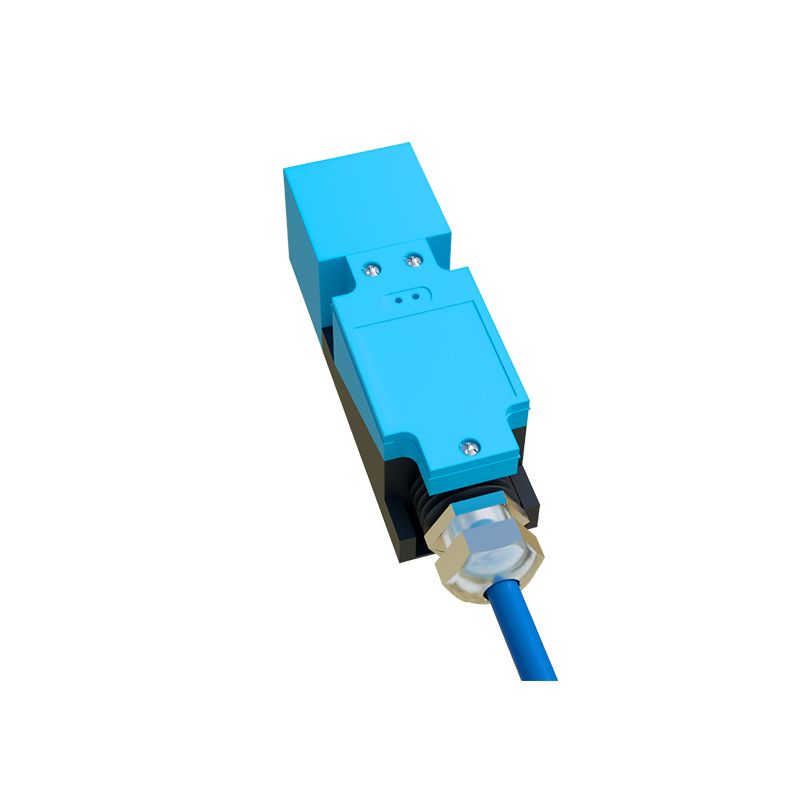
In the realm of industrial automation and precise motion control, the demand for reliable, non-contact sensing solutions is paramount. Among the array of technologies available, Linear Hall Effect Proximity Switches have carved out a significant niche, offering unique advantages for position detection, level sensing, and safety interlocking. Unlike their binary (on/off) counterparts, these devices provide a continuous, analog voltage output proportional to the strength of the magnetic field they detect, enabling nuanced measurement of distance or position relative to a moving magnet.
The core operating principle hinges on the Hall Effect, discovered by Edwin Hall in 1879. When a current-carrying conductor or semiconductor (the Hall element) is placed within a magnetic field, a voltage, known as the Hall voltage, is generated perpendicular to both the current and the field. In a linear Hall sensor, this voltage is not used to trigger a simple switch but is instead amplified and conditioned to produce a smooth, linear output signal. As a permanent magnet attached to a target object moves closer to or farther from the sensor's face, the magnetic flux density changes. This change is faithfully translated into a proportional change in the output voltage, typically ranging from 0.5V to 4.5V in a 5V system, covering the sensed distance range.
Key performance parameters define a linear Hall proximity switch. The sensing range is critical, often varying from a few millimeters to about 25mm, depending on the magnet's strength and sensor sensitivity. Linearity refers to how accurately the output voltage versus distance curve follows a straight line; higher linearity means greater measurement accuracy. Temperature stability is vital for harsh environments, as the Hall Effect is inherently temperature-sensitive. Modern integrated circuits incorporate sophisticated compensation circuits to mitigate drift. Response frequency dictates how quickly the sensor can track rapid positional changes, making some models suitable for high-speed applications. Furthermore, output types can include analog voltage, current (4-20mA), or even digital interfaces like I2C or SPI with integrated analog-to-digital converters.
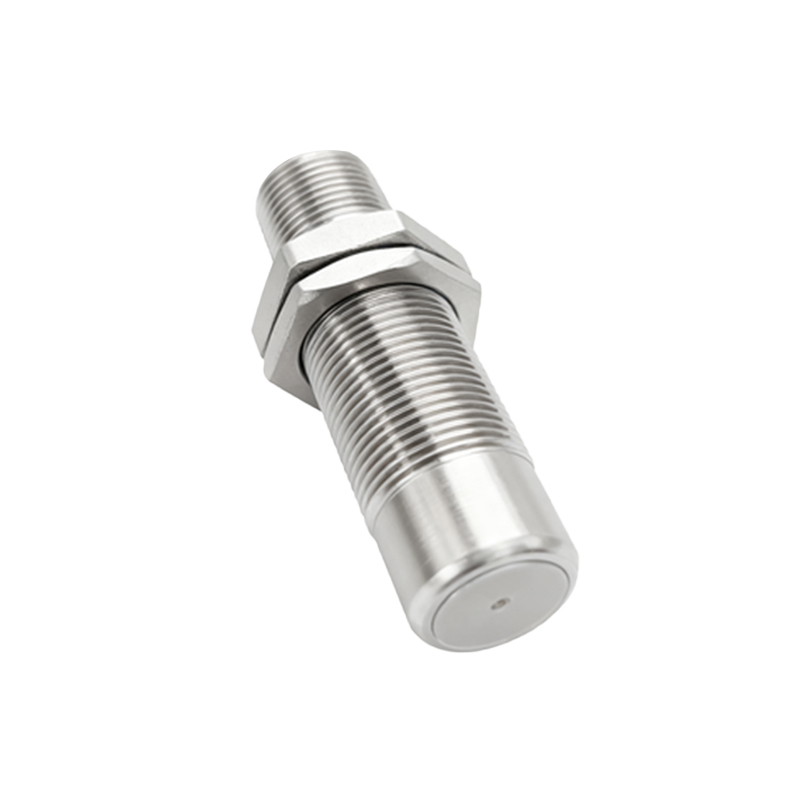
The applications for linear Hall proximity switches are diverse and critical. In factory automation, they are deployed for precise cylinder piston rod positioning, providing feedback for mid-stroke control, which simple inductive or reed proximity switches cannot offer. In material handling, they serve as non-contact level sensors for granular materials or liquids, with a float magnet moving along the sensor's length. The automotive industry utilizes them in throttle position sensing, pedal position, and suspension travel measurement. Medical equipment relies on their cleanliness and precision for fluid control and actuator positioning. Additionally, they function as safety devices in guarding systems, where the exact position of a safety door (beyond just open/closed) needs monitoring.
Selecting the appropriate linear Hall proximity switch requires careful consideration of several factors. First, define the measurement requirement: is absolute distance or relative position more important? Determine the required resolution and accuracy based on the mechanical tolerances of the system. The environmental conditions—ambient temperature, presence of contaminants, oils, or coolants—will dictate the necessary ingress protection (IP) rating and housing material, typically stainless steel or PBT plastic. Electrical requirements include the supply voltage (commonly 5V DC, 12V DC, or 24V DC), output signal type needed by the controller (PLC, microcontroller), and any necessary shielding against electromagnetic interference (EMI). Finally, the mechanical form factor must be compatible with the installation space, with choices ranging from tubular threaded barrels to flat surface-mount or slot-style packages.
Installation and commissioning also demand attention. Proper alignment between the sensor and the moving magnet is crucial for optimal linearity and range. The use of diametrically magnetized magnets is often recommended for a more consistent field. Designers must account for the presence of ferrous metals in the vicinity, as these can distort the magnetic field and introduce errors. Electrical wiring should follow best practices, using twisted-pair cables for analog signals and keeping power lines separate to minimize noise.
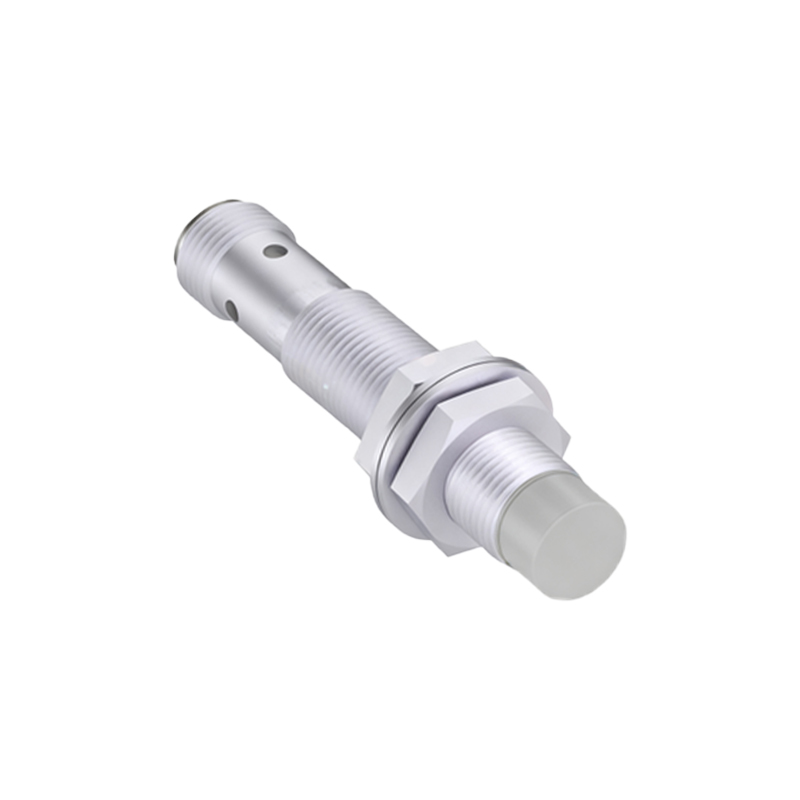
In conclusion, linear Hall Effect proximity switches represent a sophisticated and versatile sensing technology. Their ability to provide continuous, contactless positional feedback fills a gap between simple presence detection and expensive high-precision measurement systems. For the industrial engineer, understanding their operational principles, key specifications, and application nuances is essential for designing robust, accurate, and efficient automated systems. As integration and smart features advance, these sensors continue to evolve, offering greater precision, digital connectivity, and resilience in demanding industrial landscapes.