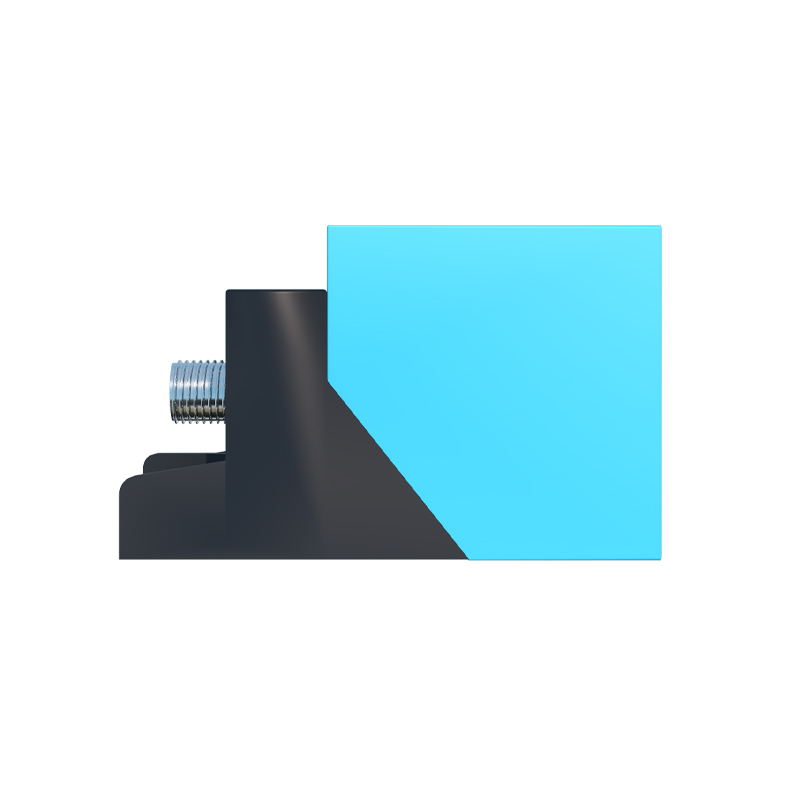
In the world of automation and smart technology, proximity sensors are the silent, unseen workhorses. These devices detect the presence or absence of an object within a specific range without any physical contact. This non-contact operation is their defining feature, leading to high reliability, long operational life, and minimal maintenance. The principle is straightforward: a proximity sensor emits a field or beam, and when an object enters this field, it causes a change in the signal. This change is then processed by the sensor's circuitry to generate an output signal, typically to switch a load or send data to a controller.
Several core technologies power different types of proximity sensors, each suited for specific materials and environments. Inductive proximity sensors are among the most common. They generate an electromagnetic field and detect the eddy current losses caused when a metallic object enters this field. Consequently, they are ideal for detecting metals like steel, aluminum, or copper in industrial settings, such as counting parts on a conveyor belt or determining the position of a machine component. A key advantage is their robustness against dirt, dust, and moisture.
For detecting non-metallic objects, capacitive proximity sensors are the go-to choice. They function by generating an electrostatic field. Any object, be it plastic, wood, liquid, or even a human hand, that enters this field alters its capacitance, triggering the sensor. This makes them versatile for applications like liquid level detection in tanks, monitoring the presence of paper or glass, or touch-sensitive interfaces. However, they can be more susceptible to environmental factors like humidity.
Another widely used category is the photoelectric sensor. While often grouped separately, its function is fundamentally about proximity detection. It uses a light emitter (usually LED) and a receiver. When an object interrupts or reflects the light beam, the sensor activates. Photoelectric sensors offer the longest sensing ranges and can detect virtually any material. They are subdivided into through-beam, retro-reflective, and diffuse-reflective types, offering solutions for precise positioning, object counting, and even color differentiation in complex automated systems.
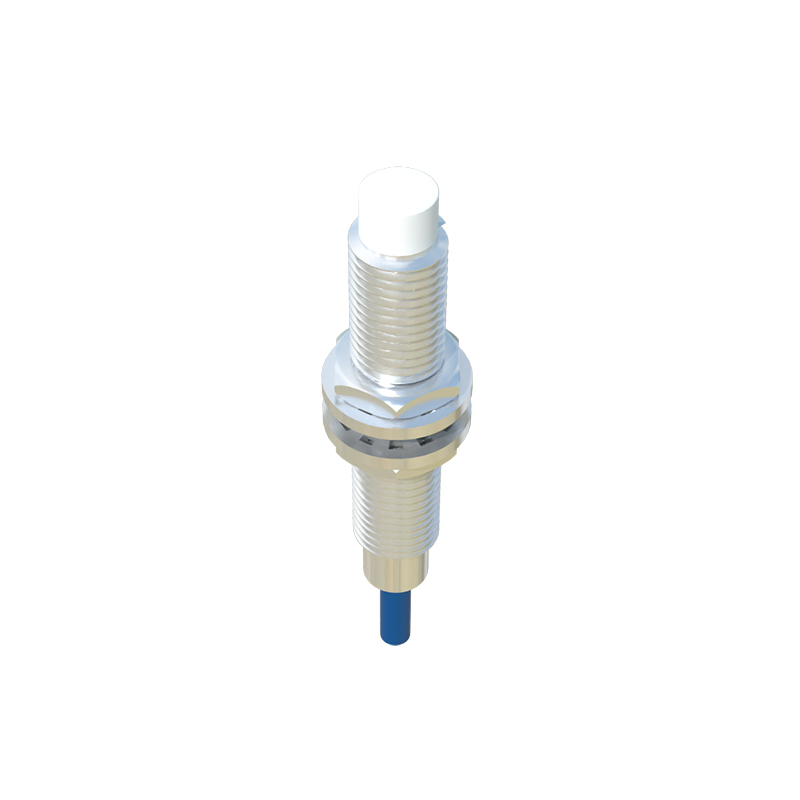
Ultrasonic sensors operate on a principle similar to sonar. They emit high-frequency sound waves and measure the time it takes for the echo to return from a target object. This allows them to detect objects regardless of color, transparency, or material. They excel in applications requiring precise distance measurement or level sensing of bulk materials, such as in silos or for robot obstacle avoidance.
When selecting a proximity sensor for an application, several critical factors must be considered. The first is the target material. Is it metallic, non-metallic, liquid, or transparent? This directly points to the sensor technology. The required sensing distance is next; inductive sensors have shorter ranges, while ultrasonic and photoelectric sensors offer longer ones. Environmental conditions are paramount. Will the sensor be exposed to extreme temperatures, washdowns, oils, or corrosive chemicals? Sensors with appropriate ingress protection (IP) ratings are essential. The output type is also crucial—whether a simple two-wire AC/DC switch (PNP or NCP), a digital signal, or an analog output for distance proportionality. Finally, physical characteristics like size, shape (barrel or rectangular), and mounting style must fit the mechanical design.
The applications are vast and growing. In manufacturing, they enable precise machine automation, robotic guidance, and safety interlocks. In consumer electronics, a miniature inductive or capacitive sensor deactivates a smartphone's display during a call. In the automotive industry, they are integral to parking assist systems and automated assembly lines. In building automation, they control lighting and doors. The evolution towards Industry 4.0 and the Internet of Things (IoT) sees proximity sensors becoming intelligent nodes, providing diagnostic data and integrating seamlessly with networked control systems.

In conclusion, proximity sensors are fundamental components that bridge the physical and digital worlds. Understanding their operating principles, types, and key selection criteria allows engineers and designers to implement robust, efficient, and intelligent sensing solutions. From heavy industry to everyday gadgets, their ability to detect objects reliably and without contact continues to drive innovation and efficiency across countless fields.