Proximity sensors are indispensable components in modern industrial automation and everyday technology, enabling non-contact detection of objects within a defined range. These devices operate by emitting electromagnetic fields, infrared light, or ultrasonic waves to sense the presence, absence, or position of targets without physical contact. Their versatility, reliability, and durability make them critical in diverse sectors.
In manufacturing and industrial automation, proximity sensors are extensively used for object detection, positioning, and counting on assembly lines. They ensure precise control in robotic arms, conveyor systems, and automated machinery, enhancing efficiency and safety. For instance, inductive proximity sensors detect metallic objects in harsh environments, while capacitive sensors handle non-metallic materials like plastics or liquids.
The automotive industry relies heavily on proximity sensors for safety and automation. They are integral to parking assistance systems, collision avoidance mechanisms, and automated braking. Inside vehicles, sensors monitor seat occupancy for airbag deployment and detect obstacles during low-speed maneuvers.
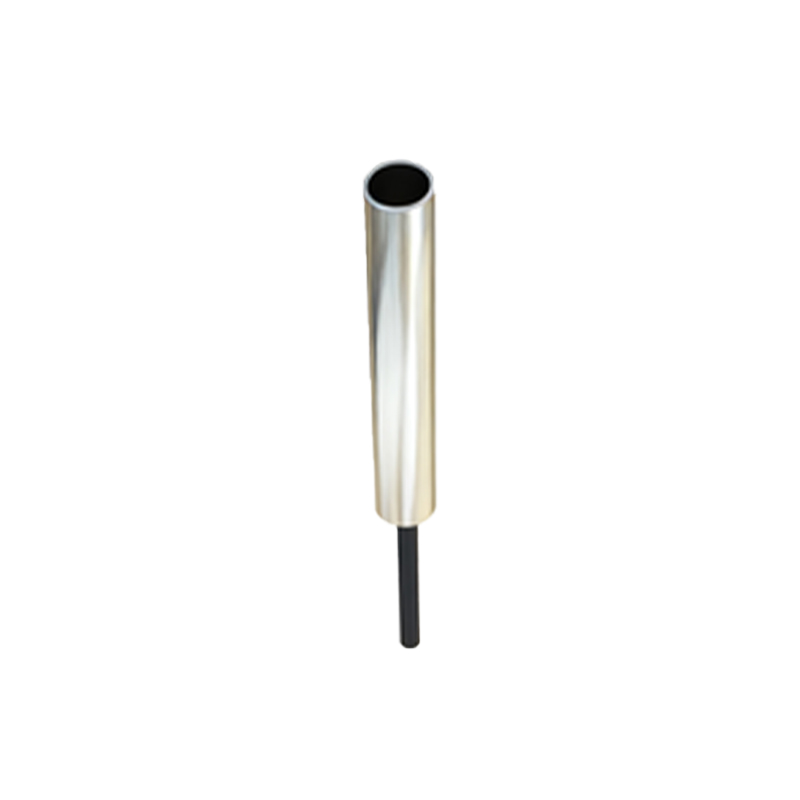
Consumer electronics incorporate proximity sensors to improve user experience. Smartphones use them to disable touchscreens during calls, preventing accidental inputs. Similarly, automatic faucets, soap dispensers, and hand dryers in public restrooms employ infrared sensors for hygiene and conservation.
In aerospace and defense, these sensors contribute to navigation, landing gear monitoring, and obstacle detection in aircraft and drones. Their ability to function in extreme conditions ensures reliability in critical applications.
Material handling and packaging industries utilize proximity sensors for inventory management, level detection in silos, and quality control. They help prevent overfilling, monitor product flow, and verify package sealing.
Building automation benefits from proximity sensors in lighting control, security systems, and elevator operations. Motion-activated lights and automatic doors enhance energy efficiency and convenience.
Emerging fields like robotics and IoT expand their applications further. Proximity sensors enable robots to navigate environments safely, while IoT devices use them for smart home automation, such as detecting open windows or monitoring occupancy.
Overall, proximity sensors are pivotal in enhancing precision, safety, and efficiency across industries, driving innovation in an increasingly automated world.