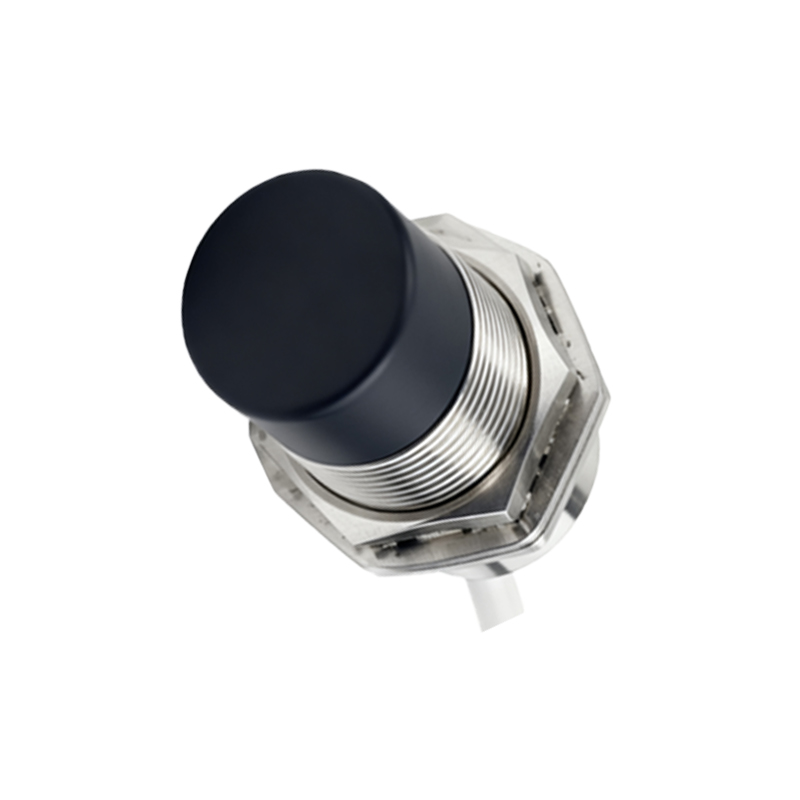
In the realm of industrial automation, the ability to detect objects without physical contact is paramount for efficiency, safety, and precision. Long-distance proximity sensors stand as critical components in this domain, enabling the monitoring and control of processes where targets are positioned at considerable ranges. Unlike standard inductive or capacitive sensors limited to a few millimeters or centimeters, these specialized devices can reliably sense objects from distances ranging from several centimeters up to multiple meters, depending on the technology employed.
The operational principles of long-distance proximity sensors are primarily based on three core technologies: ultrasonic, photoelectric, and inductive (with extended range). Ultrasonic sensors emit high-frequency sound waves and calculate distance by measuring the time delay of the reflected echo. They are highly effective in challenging environments with dust, smoke, or varying light conditions, offering detection ranges typically from a few centimeters to over ten meters. Photoelectric sensors, utilizing modulated infrared or laser light, are renowned for their high speed and precision. Through-beam models, where a separate emitter and receiver are used, achieve the longest distances, often exceeding 100 meters. Diffuse reflective and retro-reflective types offer shorter but still substantial ranges. For metallic objects, specially designed inductive sensors with extended sensing ranges leverage changes in an oscillating electromagnetic field, providing robust, wear-free detection in harsh industrial settings.
The selection of an appropriate long-distance sensor is a nuanced decision that hinges on multiple application-specific factors. The nature of the target material is fundamental; ultrasonic sensors detect almost any solid material, photoelectric sensors are sensitive to color, reflectivity, and transparency, while extended-range inductive sensors are exclusive to metals. Environmental conditions pose another critical consideration. Factors such as ambient light (for photoelectric sensors), airborne particulates, temperature extremes, humidity, and potential mechanical vibrations can significantly impact sensor performance and longevity. The required sensing range and resolution must be precisely defined, balancing the need for long reach with the necessary accuracy for positioning or object counting.
In practical applications, these sensors are indispensable. In material handling and logistics, they are deployed for pallet detection on high-bay racks, vehicle presence monitoring at loading docks, and package counting on high-speed conveyor lines. In the automotive industry, they guide robotic arms for part handling and verify component presence in assembly fixtures. In agricultural and forestry machinery, ultrasonic sensors assist in obstacle avoidance and implement positioning. Furthermore, their role in safety systems, such as perimeter guarding for hazardous areas or monitoring access to machinery zones, underscores their importance in protecting personnel and equipment.
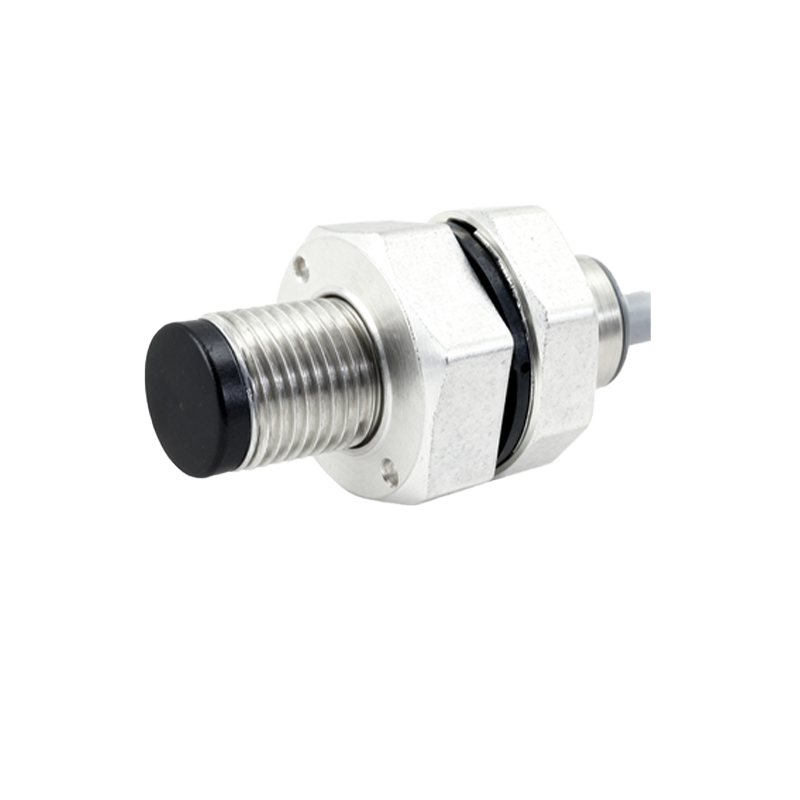
When integrating long-distance proximity sensors, engineers must also address installation and alignment. Proper mounting ensures the sensor's beam or field is correctly oriented toward the target path. Regular maintenance, including lens cleaning for photoelectric sensors and checking for acoustic obstructions for ultrasonic types, is essential for sustained reliability. Modern sensors often come equipped with advanced diagnostics, such as LED status indicators or IO-Link communication, which provide valuable data on signal strength, operating distance, and device health, facilitating predictive maintenance.
In conclusion, long-distance proximity sensors are sophisticated enablers of modern industrial automation. By understanding the distinct advantages and limitations of ultrasonic, photoelectric, and extended-range inductive technologies, automation engineers can make informed selections to optimize system performance. The correct sensor not only enhances operational throughput and precision but also contributes significantly to system safety and resilience, forming an invisible yet vital layer of intelligence on the factory floor.