In the realm of industrial automation and process control, proximity sensors are indispensable components for detecting the presence or absence of objects without physical contact. Among the diverse array of sensor designs, ring-type non-metallic proximity sensors represent a specialized and critical category. These sensors are engineered to detect non-metallic materials—such as plastics, glass, wood, ceramics, and certain liquids—where traditional inductive sensors, which rely on electromagnetic fields to sense metals, fall short. This article delves into the various types of ring-type non-metallic proximity sensors, their operating principles, key applications, and selection considerations, providing a thorough overview for engineers and system integrators.
The fundamental working principle of ring-type non-metallic proximity sensors is typically based on capacitive or optical sensing technologies, as these methods are effective for materials that do not conduct electricity or have magnetic properties. Capacitive ring sensors generate an electrostatic field and detect changes in capacitance caused by the presence of a non-metallic object within their sensing range. The ring-shaped design allows objects to pass through the center, enabling continuous detection in applications like conveyor systems or tubing. Optical ring sensors, on the other hand, utilize light beams (often infrared) transmitted across the ring's diameter; when an object interrupts the beam, the sensor triggers a response. Some advanced models combine both principles for enhanced accuracy and reliability.
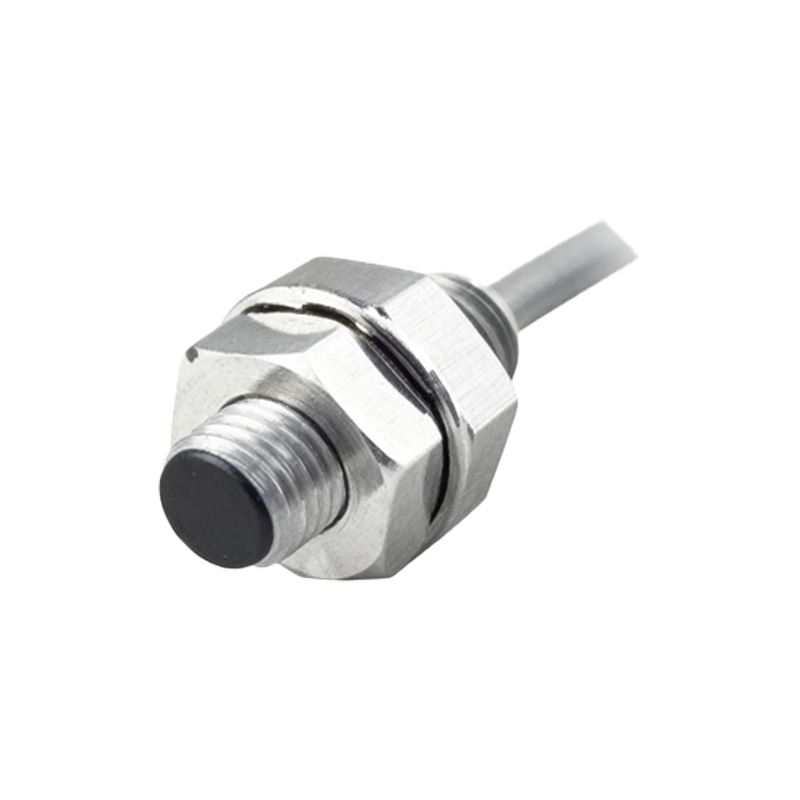
Key types of ring-type non-metallic proximity sensors include:
1. Capacitive Ring Sensors: These are the most common for detecting solids, powders, and liquids. They are highly sensitive to changes in dielectric constants, making them suitable for materials like plastic pellets, glass bottles, or paper products. Models vary in diameter, sensing distance, and output options (e.g., PNP/NPN, analog, or IO-Link).
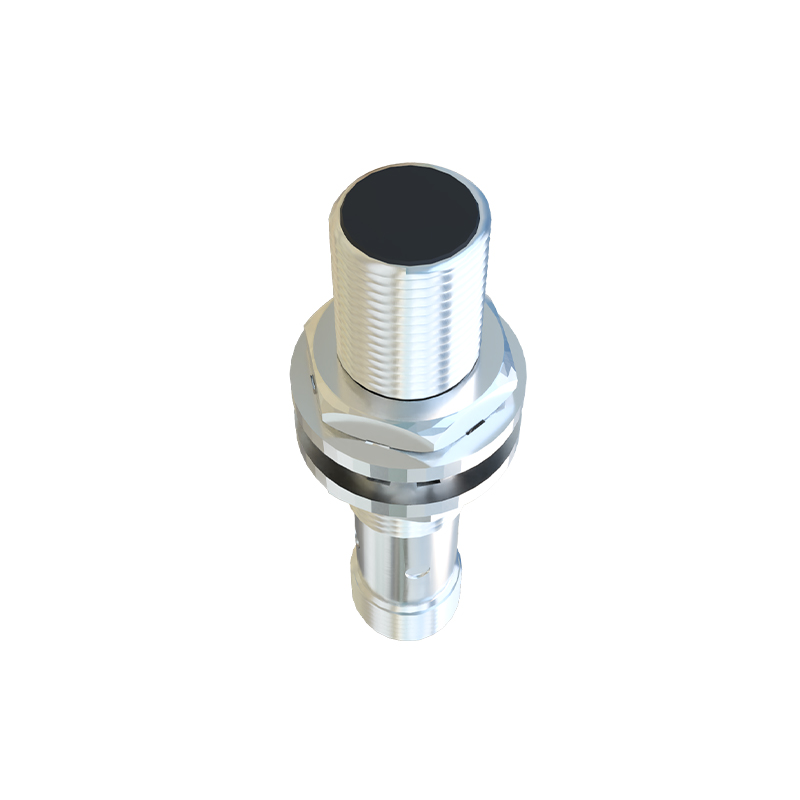
2. Optical Through-Beam Ring Sensors: Designed with a transmitter and receiver on opposite sides of the ring, they offer precise detection for transparent or opaque non-metals. They excel in high-speed applications, such as counting pharmaceutical vials or monitoring cable production.
3. Diffuse Reflective Optical Ring Sensors: These incorporate emitter and receiver in one unit, detecting objects based on light reflection. They are compact and ideal for space-constrained environments but may have limited range compared to through-beam types.
4. Ultrasonic Ring Sensors: Though less common, some ring sensors use ultrasonic waves to detect non-metallic objects, particularly in challenging conditions like dust or vapor-filled areas. They measure the time-of-flight of sound waves to determine object presence.
5. Hybrid or Multi-Technology Ring Sensors: Emerging designs integrate capacitive, optical, or even inductive elements to handle complex scenarios, such as detecting both metallic and non-metallic contaminants in recycling streams.
Applications for ring-type non-metallic proximity sensors span numerous industries. In packaging and bottling, they ensure proper filling levels by detecting plastic containers on lines. In woodworking, they monitor the flow of timber through saws. The pharmaceutical sector relies on them for verifying the presence of glass ampoules or plastic caps. Food and beverage processing uses these sensors to control the flow of ingredients like grains or liquids in pipes, while electronics manufacturing employs them to inspect non-conductive components on PCBs. Their ring shape is particularly advantageous for non-invasive installation around tubes, chutes, or conveyors, minimizing downtime and maintenance.
When selecting a ring-type non-metallic proximity sensor, engineers must evaluate several factors. The material composition of the target object dictates the sensing technology: capacitive sensors are better for materials with higher dielectric constants, while optical sensors suit clear or colored objects. Environmental conditions—such as temperature extremes, humidity, dust, or chemical exposure—require sensors with appropriate IP ratings and housing materials (e.g., stainless steel or FDA-approved plastics). Sensing range and ring diameter must match the application's physical constraints, and output signals should be compatible with the control system (e.g., PLCs). Additionally, considerations like response time, power supply, and connectivity options (e.g., Ethernet/IP or PROFINET) are crucial for integration into modern Industry 4.0 setups.
In summary, ring-type non-metallic proximity sensors are versatile tools that address the unique challenges of detecting insulating materials in automated systems. By understanding the available types—capacitive, optical, ultrasonic, and hybrid—engineers can optimize their use for efficiency and reliability. As industries increasingly automate non-metallic handling processes, these sensors will continue to evolve, offering smarter features and greater adaptability. For those in electrical engineering and automation, staying informed about these developments is key to designing robust and future-proof systems.