In the realm of industrial automation and control systems, proximity switch sensors play a pivotal role in enabling non-contact detection of objects, ensuring precision, reliability, and efficiency. Among the diverse range of sensors available, the TP-LNK series has emerged as a notable solution, designed to meet the rigorous demands of modern manufacturing environments. This article delves into the technical specifications, operational principles, and practical applications of the TP-LNK proximity sensor, providing insights for engineers and technicians seeking to optimize their systems.
The TP-LNK proximity switch sensor is typically an inductive type, capable of detecting metallic objects without physical contact. It operates based on the principle of electromagnetic induction. Inside the sensor, an oscillator generates a high-frequency electromagnetic field that emanates from the sensing face. When a metallic target enters this field, eddy currents are induced on the surface of the target, causing a change in the oscillation amplitude. This change is detected by the sensor's circuitry, which then triggers a switching action—either opening or closing an electrical circuit. This mechanism allows for rapid and wear-free detection, making it ideal for high-cycle operations.
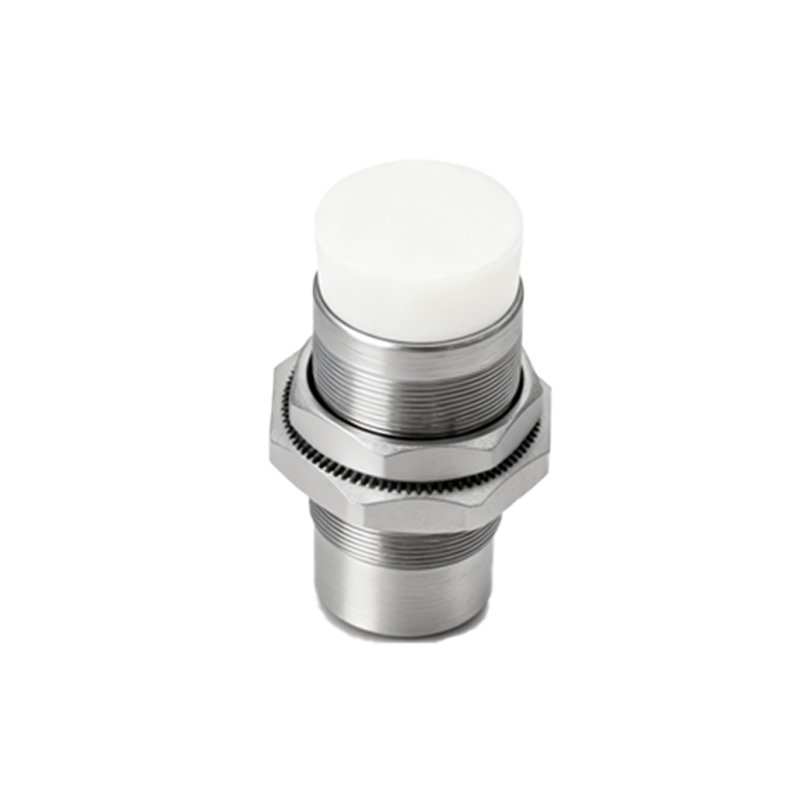
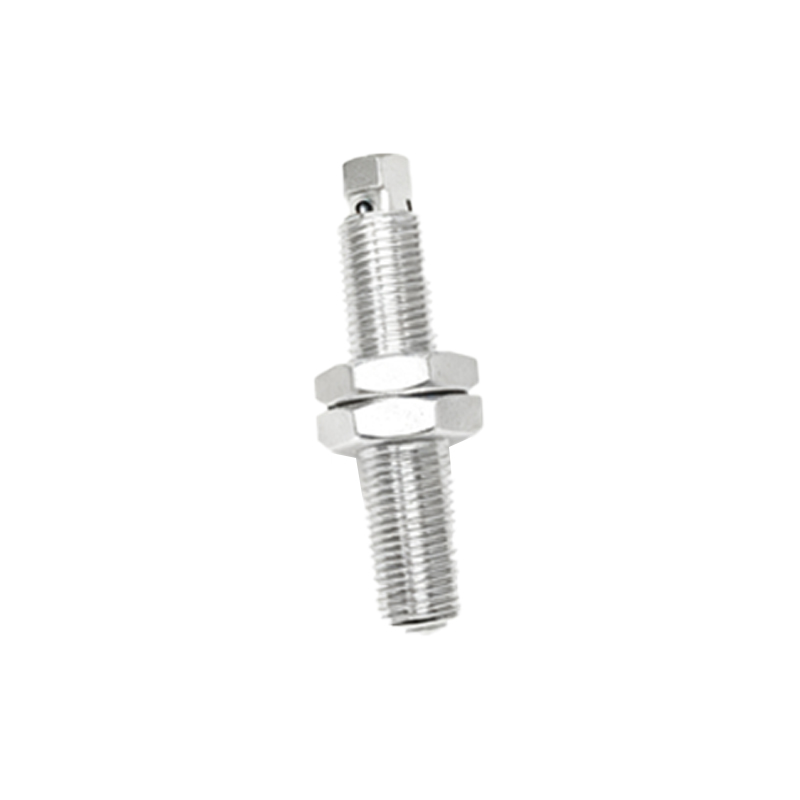
Key features of the TP-LNK sensor include robust construction, often housed in a stainless steel or nickel-plated brass body to withstand harsh industrial conditions such as moisture, dust, and mechanical shocks. It offers various sensing ranges, typically from a few millimeters to several centimeters, depending on the model and target material. The output configurations are versatile, including NPN (sinking) or PNP (sourcing) transistor outputs, as well as analog options for distance measurement. Many TP-LNK models also incorporate LED indicators for status monitoring, facilitating easy installation and troubleshooting.
In practical applications, the TP-LNK sensor is widely used across industries. In automotive assembly lines, it detects the presence of metal components like engine parts or bolts, ensuring correct positioning and sequencing. In packaging machinery, it monitors the movement of metallic containers or lids, preventing jams and enhancing throughput. Additionally, in material handling systems, these sensors provide precise control for conveyor belts, robotic arms, and sorting mechanisms. Their immunity to environmental interference and long operational life reduce maintenance downtime, contributing to overall productivity.
When selecting a TP-LNK sensor, engineers must consider factors such as the target material (ferrous or non-ferrous metals), required sensing distance, electrical compatibility with control systems, and environmental ratings like IP67 for water and dust resistance. Proper installation is crucial; sensors should be mounted securely, with adequate clearance from other metallic objects to avoid false triggering. Regular calibration and testing are recommended to maintain accuracy, especially in dynamic settings where temperature fluctuations or vibration may occur.
Looking ahead, advancements in sensor technology continue to evolve the TP-LNK series. Innovations include enhanced sensitivity for detecting smaller or non-ferrous targets, integration with IoT platforms for real-time data analytics, and energy-efficient designs that align with sustainable manufacturing goals. By leveraging these developments, industries can achieve higher levels of automation and smart factory integration.
In conclusion, the TP-LNK proximity switch sensor represents a reliable and versatile component in industrial automation. Its non-contact detection capability, durability, and adaptability make it a cornerstone for applications demanding precision and efficiency. As automation trends progress, understanding and utilizing such sensors will be key to driving operational excellence and innovation in the electrical and engineering sectors.