In the world of industrial automation and control systems, proximity sensors are indispensable components that detect the presence or absence of objects without physical contact. These sensors, including inductive, capacitive, and photoelectric types, are widely used in manufacturing, robotics, and safety applications. A common question among engineers and technicians is whether proximity sensors require amplifiers to function effectively. The answer depends on the sensor type, application requirements, and signal conditioning needs.
Proximity sensors typically generate output signals that indicate detection. For instance, inductive proximity sensors produce a change in oscillation when a metal object enters their field, resulting in a switch output. Many modern proximity sensors come with built-in amplification circuits, integrating the sensor element and amplifier into a single unit. These self-contained sensors provide a direct output, such as a digital signal (e.g., NPN or PNP transistor output) or an analog signal (e.g., 0-10V or 4-20mA), which can be easily interfaced with controllers like PLCs. In such cases, external amplifiers are unnecessary, as the sensor's internal electronics handle signal processing.
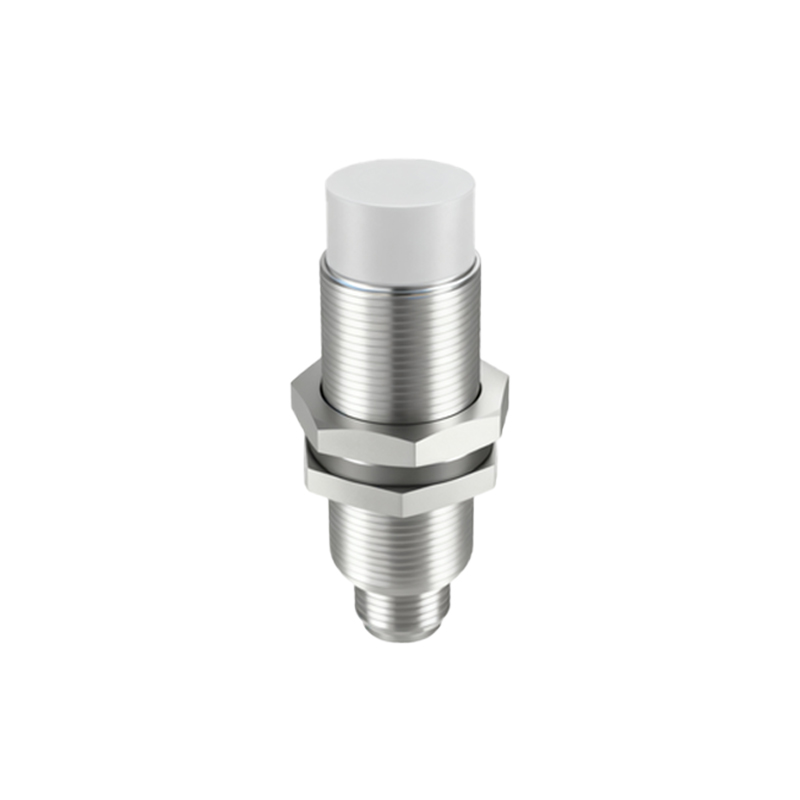
However, there are scenarios where external amplifiers become essential. When using passive or unamplified proximity sensors, which lack internal signal conditioning, an amplifier is required to boost the weak output signal to a usable level. For example, some capacitive proximity sensors may produce low-level analog signals that need amplification to meet the input requirements of control systems. Additionally, in high-noise industrial environments, amplifiers can enhance signal integrity by filtering interference and providing isolation, ensuring reliable operation. Amplifiers also enable customization, such as adjusting sensitivity thresholds or converting signal types (e.g., from analog to digital), which is crucial for specialized applications like precision measurement or long-distance transmission.
The decision to use an amplifier should consider factors like sensor specifications, environmental conditions, and system compatibility. For standard applications, integrated proximity sensors with built-in amplifiers offer simplicity and cost-effectiveness. In contrast, complex setups involving custom sensing ranges or harsh conditions may benefit from external amplifiers for improved performance. Engineers must evaluate the sensor's datasheet, including output characteristics and power requirements, to determine if additional amplification is needed.
In summary, while many proximity sensors include internal amplifiers, external amplifiers are valuable for enhancing signals, reducing noise, and adapting to specific needs. Understanding the sensor's design and application context is key to optimizing system efficiency and reliability in electrical engineering projects.