Proximity sensors are indispensable components in modern industrial automation, providing non-contact detection of objects within a specific range without physical interaction. Among the various types, inductive proximity sensors stand out for their reliability, durability, and precision in detecting metallic targets. This article delves into the principles, types, applications, and key considerations for selecting and implementing these sensors in industrial settings.
Inductive proximity sensors operate on the principle of electromagnetic induction. The sensor generates an oscillating electromagnetic field from its sensing face. When a metallic object enters this field, eddy currents are induced on the surface of the target, causing a change in the oscillation amplitude. This change is detected by the sensor's internal circuit, which then triggers an output signal, typically a switching action. This mechanism allows for highly accurate detection of ferrous and non-ferrous metals, though with varying sensing distances depending on the material's conductivity and permeability.
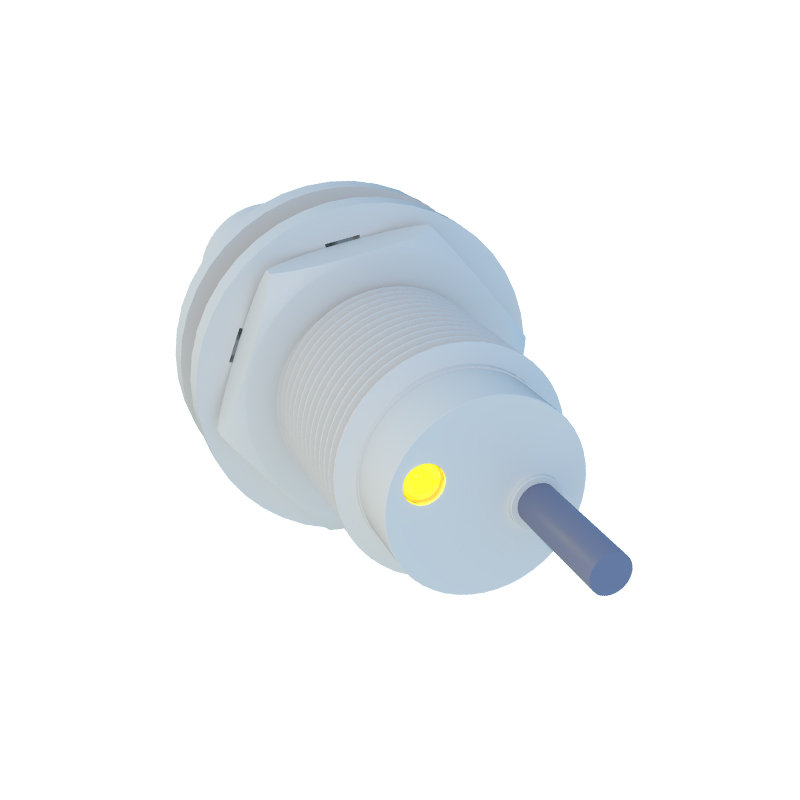
There are several types of inductive proximity sensors, each suited to specific industrial needs. Shielded (flush-mounted) sensors have a metal ring surrounding the coil, allowing them to be installed flush with metal surfaces without interference, making them ideal for tight spaces. Unshielded (non-flush) sensors offer longer sensing ranges but require clearance from surrounding metal to prevent false triggers. Additionally, analog sensors provide continuous output proportional to the distance of the target, useful for positioning applications, while digital sensors offer simple on/off switching for presence detection.
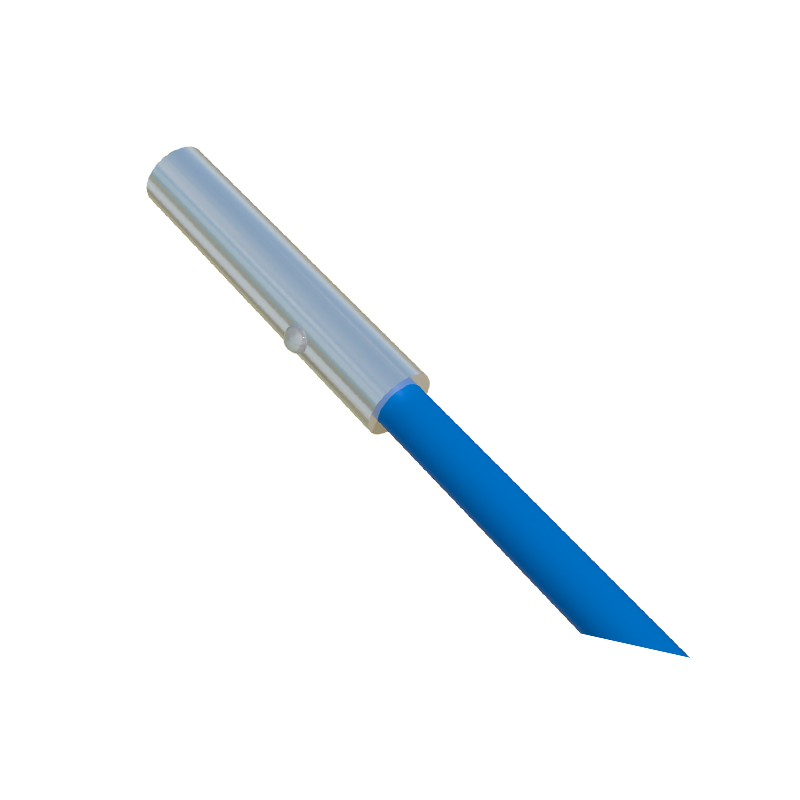
The applications of inductive proximity sensors are vast across industries such as manufacturing, automotive, packaging, and robotics. In assembly lines, they detect the presence of metal parts for quality control or trigger robotic arms for pick-and-place operations. In automotive manufacturing, sensors monitor the position of components like pistons or gears, ensuring precise alignment. They are also employed in safety systems to detect door closures or guard positions, preventing machine operation when hazards are present. Their robustness against environmental factors like dust, oil, and vibration makes them suitable for harsh industrial environments where optical sensors might fail.
When selecting an inductive proximity sensor, engineers must consider several criteria to ensure optimal performance. Sensing range, defined as the maximum distance at which a standard target can be reliably detected, is critical and varies with target material—steel typically offers the longest range. The sensor's housing material, such as nickel-plated brass or stainless steel, should match the environmental conditions to resist corrosion or mechanical stress. Output type (e.g., NPN or PNP, normally open or closed) must be compatible with the control system, while factors like switching frequency, temperature tolerance, and protection ratings (e.g., IP67 for dust and water resistance) are essential for reliability. Installation practices, including proper alignment and avoidance of mutual interference between multiple sensors, also play a key role in maximizing efficiency.
In summary, inductive proximity sensors are vital for enhancing automation efficiency and safety. Their non-contact nature reduces wear and tear, leading to lower maintenance costs and increased system longevity. By understanding their operating principles and selection parameters, engineers can effectively integrate these sensors into diverse industrial applications, driving productivity and innovation in the evolving landscape of smart manufacturing.