In the realm of industrial automation and control systems, proximity sensors are ubiquitous components, silently performing critical detection tasks. A common point of inquiry, especially for engineers and technicians new to sensor technology, revolves around their fundamental electrical nature: Are proximity sensors inductive or resistive? The answer is not monolithic, as the term "proximity sensor" encompasses several technologies. However, the most prevalent type in industrial settings is unequivocally the inductive proximity sensor. This article delves into the operational principles to clarify this distinction and explores the characteristics that define these essential devices.
At its core, an inductive proximity sensor is a solid-state electronic device designed to detect the presence of metallic objects without physical contact. Its operation is fundamentally based on the principles of electromagnetic induction, categorizing it as an inductive device. Here is a breakdown of its key components and working principle:
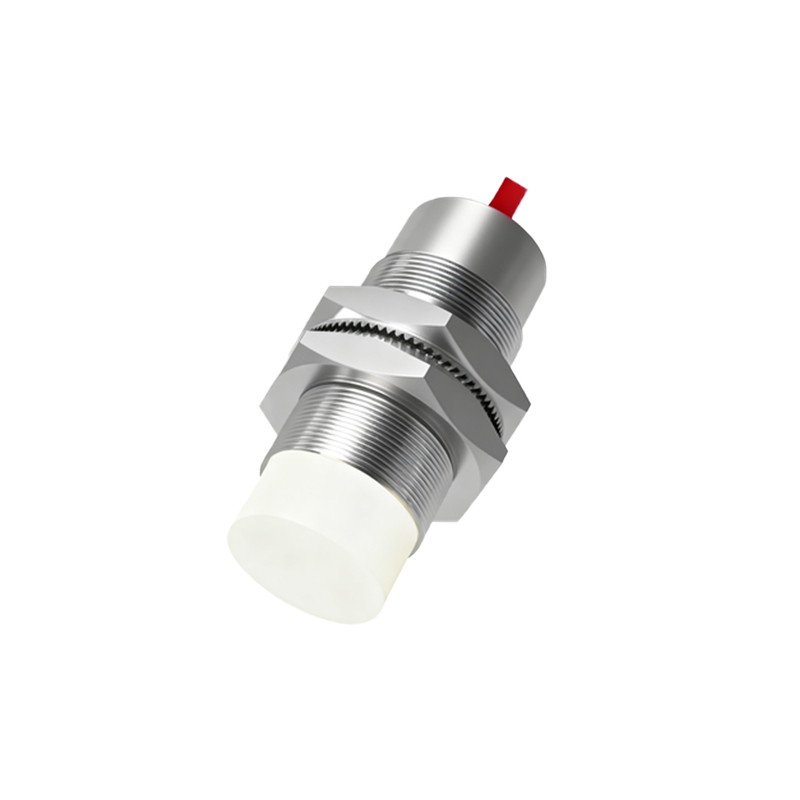
The sensor contains a coil wound around a ferrite core, which is part of an LC oscillator circuit. When powered, this oscillator generates a high-frequency electromagnetic field that radiates from the active face of the sensor. When a conductive (typically metallic) target enters this oscillating field, eddy currents are induced on the surface of the target. These eddy currents draw energy from the oscillator, resulting in a dampening or reduction of the oscillation amplitude. An internal detection circuit monitors this amplitude change. Once the damping reaches a predetermined threshold, the circuit triggers a change in the sensor's output state (e.g., from OFF to ON, or vice-versa, depending on configuration). The target is detected, and a signal is sent to the controller (like a PLC).
This entire process hinges on electromagnetic induction—the generation of eddy currents in the target. No physical contact or resistive change in a sensing element is involved. The sensing distance depends on factors like the target material's conductivity and permeability, the coil size, and the oscillator frequency. Ferrous metals (like iron and steel) are typically detected at longer ranges than non-ferrous metals (like aluminum or copper) due to their combined conductive and magnetic properties.
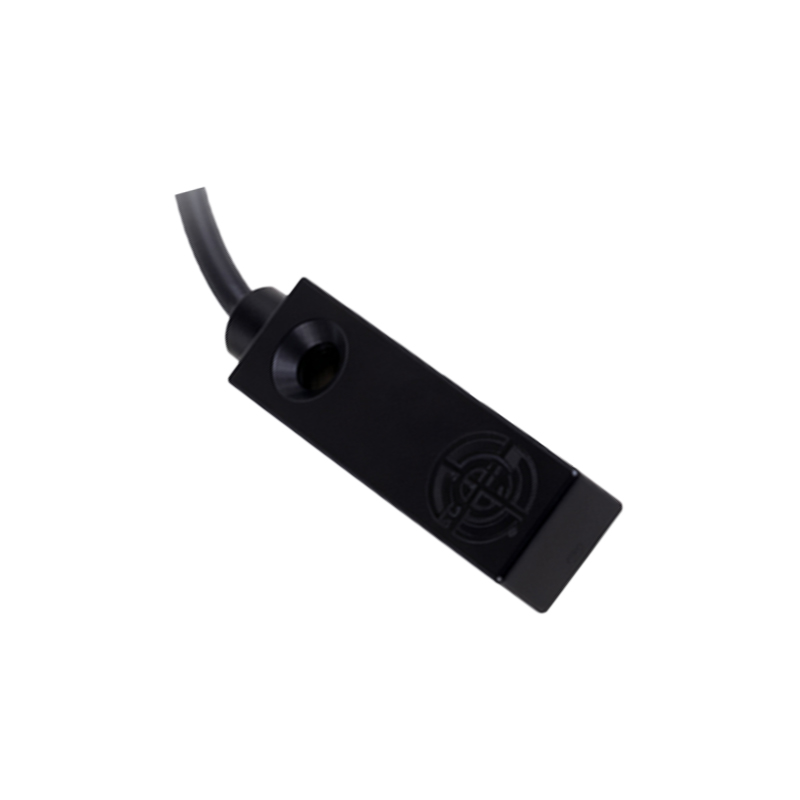
So, where does the concept of resistive come into play? Purely resistive sensing, in a classical sense, involves a change in electrical resistance due to physical contact or environmental change (like in strain gauges or thermistors). Standard inductive proximity sensors do not operate on this principle. However, it is crucial to understand the sensor's output stage. Modern inductive proximity sensors have solid-state switching outputs (like NPN or PNP transistors). These output transistors have an on-state resistance (often very low, in milliohms) when switched ON, and a very high off-state resistance when OFF. This is a characteristic of the output driver circuitry, not the sensing mechanism itself. Confusing the resistive nature of the output switch with the sensing principle is a common misconception. The sensing is inductive; the output switching involves a change in resistance.
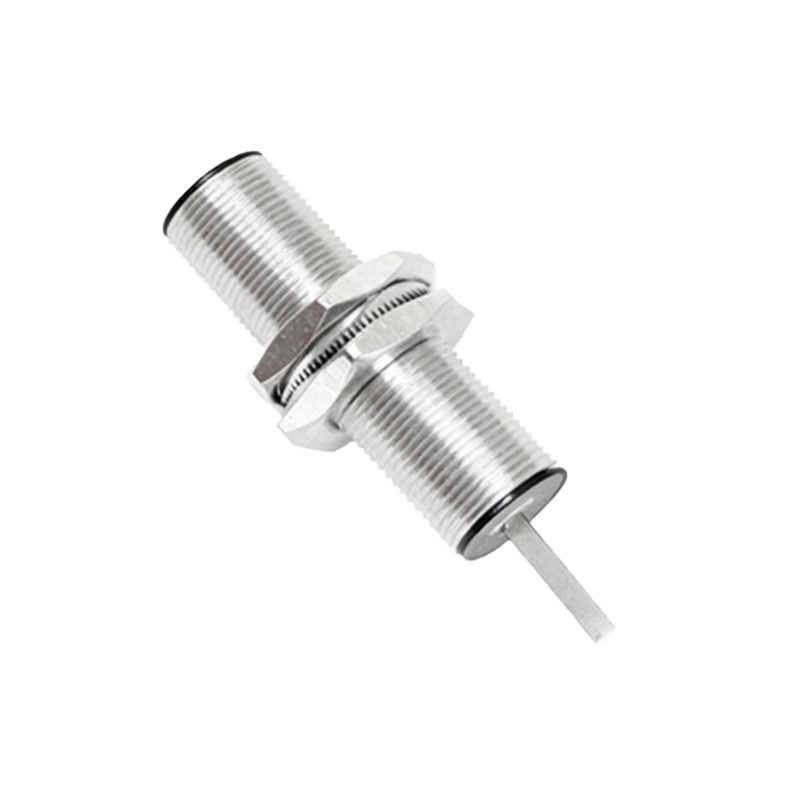
For completeness, other proximity sensor technologies exist:
Capacitive Sensors: These detect both metallic and non-metallic materials (plastics, liquids, powders) by sensing changes in capacitance. They are neither purely inductive nor resistive in their primary sensing action.
Photoelectric Sensors: These use light beams (visible, infrared, laser) and are based on optical principles.
Ultrasonic Sensors: These use sound waves.
Magnetic Sensors (Reed Switches, Hall Effect): These detect magnetic fields. While related to electromagnetism, they are distinct from inductive eddy-current sensing.
Why is the inductive type so dominant? Its robustness is key. With no moving parts and a sealed housing, it is exceptionally resistant to environmental contaminants like dust, oil, and coolant. It offers high switching speeds, long operational life, and reliable detection of metals in harsh industrial environments.
In summary, the quintessential industrial proximity sensor is an inductive device. Its operation is fundamentally based on electromagnetic induction and the disturbance of an oscillating magnetic field by a conductive target. It is not a resistive sensor in its detection methodology. The resistance one might measure pertains to its electronic output stage, not its core sensing function. Understanding this distinction is vital for proper sensor selection, integration, and troubleshooting in any control system. When specifying a sensor for detecting metal objects, an inductive proximity sensor is almost always the appropriate, reliable, and inductive choice.