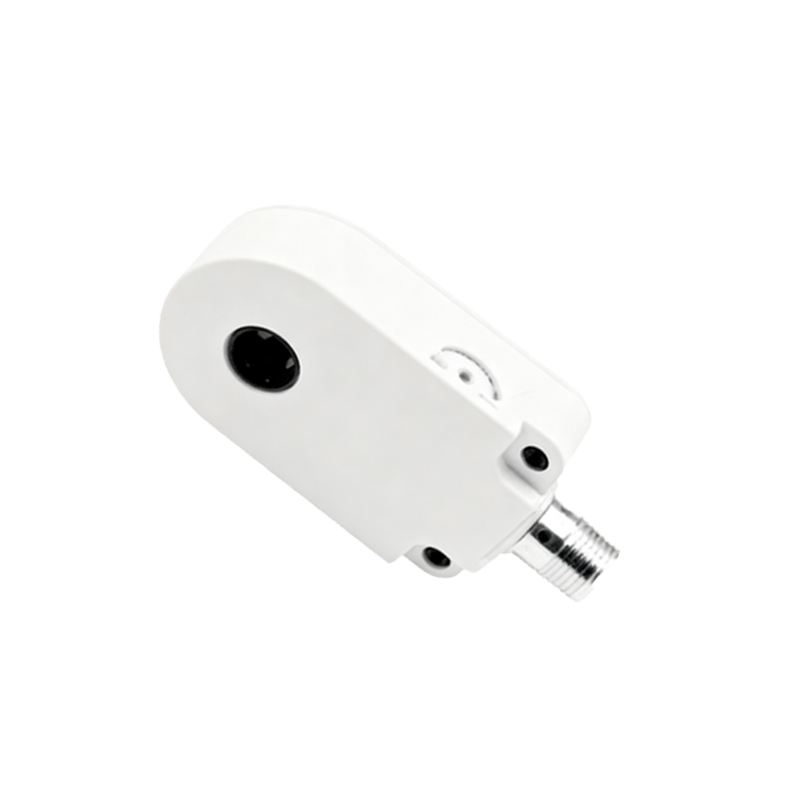
In the rapidly evolving landscape of industrial automation, large-scale proximity sensors have emerged as indispensable components, driving efficiency, safety, and precision across diverse applications. These sensors, designed to detect the presence or absence of objects without physical contact, are engineered to operate reliably in demanding environments, from manufacturing floors to logistics hubs. Their significance lies in their ability to facilitate seamless automation, reduce downtime, and enhance operational intelligence. This article delves into the key benefits and technological advancements of large-scale proximity sensors, highlighting their transformative impact on modern industries.
One of the primary advantages of large-scale proximity sensors is their exceptional reliability and durability. Constructed with robust materials such as stainless steel or hardened plastics, these sensors can withstand harsh conditions, including extreme temperatures, moisture, dust, and mechanical vibrations. For instance, in automotive assembly lines, proximity sensors are deployed to monitor the position of robotic arms and conveyor systems, ensuring precise movements and preventing collisions. Their non-contact nature minimizes wear and tear, leading to longer service life and reduced maintenance costs. This reliability translates into consistent performance, which is critical for high-volume production processes where even minor disruptions can result in significant financial losses.
Another notable benefit is the enhanced safety provided by large-scale proximity sensors. In industrial settings, worker safety is paramount, and these sensors play a crucial role in creating safer work environments. By detecting the proximity of personnel or equipment to hazardous zones, such as machinery with moving parts or high-voltage areas, sensors can trigger automatic shutdowns or alerts, preventing accidents and injuries. For example, in material handling systems, proximity sensors are integrated to monitor the approach of forklifts or automated guided vehicles (AGVs), enabling real-time adjustments to avoid collisions. This proactive safety mechanism not only protects human operators but also safeguards expensive machinery, contributing to overall risk mitigation and compliance with occupational health regulations.
Precision and accuracy are hallmarks of advanced large-scale proximity sensors, which are essential for quality control and process optimization. Utilizing technologies such as inductive, capacitive, ultrasonic, or photoelectric sensing, these sensors can detect objects with high resolution and repeatability. In the electronics manufacturing sector, for instance, proximity sensors are used to align components on circuit boards with micron-level accuracy, ensuring flawless assembly and reducing defect rates. Moreover, their fast response times—often in milliseconds—enable real-time monitoring and feedback, allowing for dynamic adjustments in production lines. This precision supports industries in achieving tighter tolerances and higher product quality, which are competitive advantages in today's market.
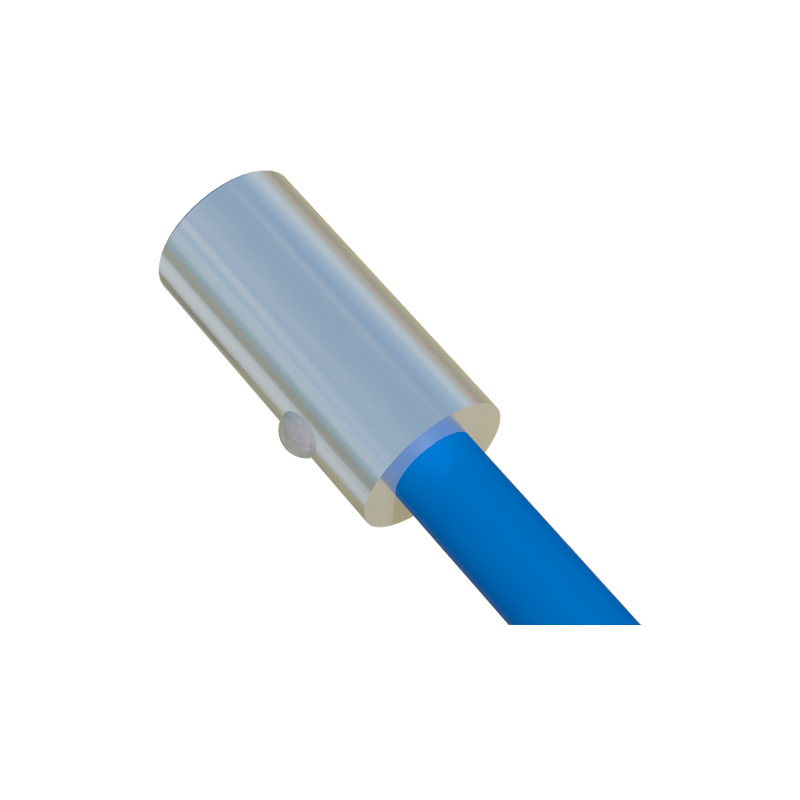
The integration of large-scale proximity sensors with Industry 4.0 technologies has unlocked new levels of operational intelligence and connectivity. Modern sensors are increasingly equipped with smart features, such as IoT-enabled interfaces and data logging capabilities, enabling seamless communication with centralized control systems. Through this connectivity, sensors can transmit real-time data on object detection, distance measurements, and environmental conditions to cloud-based platforms for analysis. In smart warehouses, for example, proximity sensors track inventory movement and optimize storage layouts, enhancing logistics efficiency. This data-driven approach facilitates predictive maintenance, where sensor outputs are analyzed to forecast potential failures before they occur, thereby minimizing unplanned downtime and extending equipment lifespan.
Scalability and versatility further underscore the value of large-scale proximity sensors in industrial applications. Available in various form factors, sensing ranges, and output configurations, these sensors can be customized to suit specific operational needs. Whether deployed in heavy machinery for agriculture, packaging lines in food processing, or automated systems in pharmaceuticals, they offer flexible solutions that adapt to evolving requirements. Their ability to detect a wide range of materials—from metals to plastics and liquids—makes them suitable for diverse sectors. As industries continue to automate and digitize, the demand for scalable sensor solutions is expected to grow, driving innovation in sensor design and functionality.
In conclusion, large-scale proximity sensors are pivotal enablers of modern industrial automation, offering reliability, safety, precision, connectivity, and scalability. Their technological advancements align with the trends toward smarter, more efficient operations, empowering businesses to thrive in a competitive global landscape. By investing in high-quality proximity sensing solutions, industries can not only optimize their processes but also future-proof their infrastructure against emerging challenges. As automation continues to expand, these sensors will undoubtedly remain at the forefront of industrial innovation, shaping the factories of tomorrow.