Proximity sensors and switches are fundamental components in modern industrial automation, playing a critical role in enhancing efficiency, safety, and reliability. These non-contact devices detect the presence or absence of an object within a specified range without physical contact, making them indispensable across numerous sectors. Understanding where they are typically deployed is key to optimizing system design.
In manufacturing and assembly lines, proximity sensors are ubiquitous. They are strategically placed to detect the position of parts on conveyors, ensuring precise timing for robotic arms to pick, place, weld, or assemble components. Inductive proximity switches, which detect metallic objects, are commonly found here to count metal parts, confirm fixture positioning, or serve as end-of-travel limit switches for moving machinery. For instance, in automotive manufacturing, these sensors verify the correct placement of engine blocks or door panels before the next automated process begins.
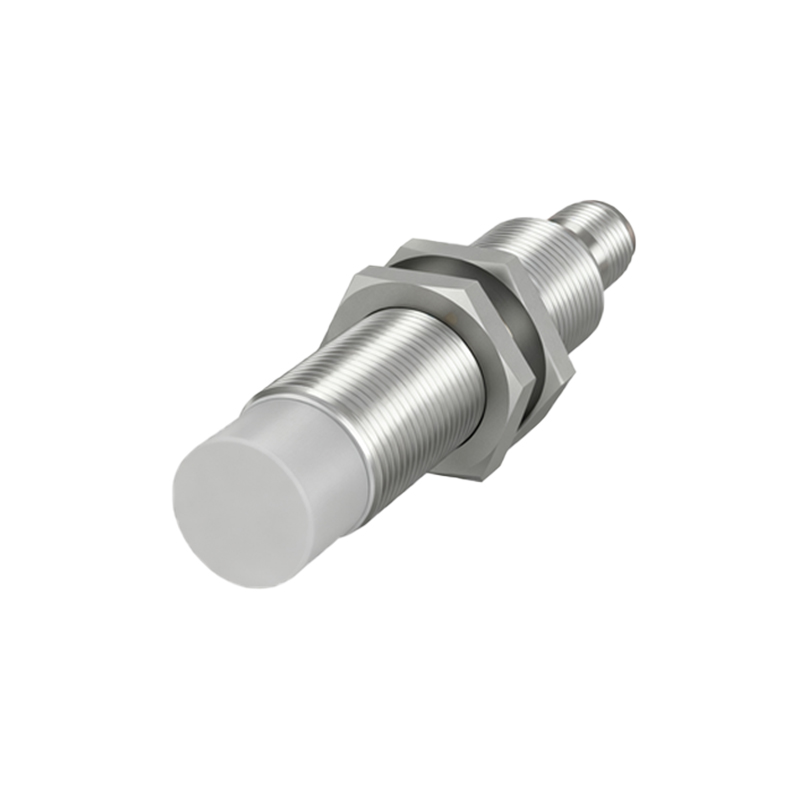
Packaging and material handling industries heavily rely on these devices. Capacitive proximity sensors, capable of detecting both metallic and non-metallic materials like plastic, glass, or liquids, are used to monitor material levels in hoppers, silos, or on filling lines. They ensure containers are present before filling and track packaging film or label positions. On automated guided vehicles (AGVs) and in warehouse automation, proximity switches help in navigation and obstacle detection, preventing collisions and ensuring smooth logistics operations.
The realm of robotics and CNC machinery is another primary application area. Here, proximity sensors provide precise positional feedback. They are integrated into robotic grippers to confirm object pickup, within machine tools to monitor tool presence or wear, and along linear slides to define home positions or travel limits. This precise detection prevents costly machine crashes and downtime, contributing to high-precision manufacturing processes.
In industries with harsh environments, such as metalworking, forestry, or mining, ruggedized proximity switches are essential. They monitor the position of heavy machinery components like crane hooks, bulldozer blades, or sawmill carriages. Their sealed, robust housings protect against dust, moisture, vibrations, and extreme temperatures, ensuring reliable operation where mechanical limit switches would fail prematurely.
Building automation and security systems also incorporate proximity technology. Magnetic reed switches, a type of proximity sensor, are used on doors and windows for security alarms. In elevators, sensors detect the car's position at each floor for accurate leveling. Access control systems often use proximity readers where an authorized key fob or card is brought near the reader to grant entry.
Furthermore, the automotive industry uses them beyond manufacturing, within the vehicles themselves. Proximity sensors are integral to advanced driver-assistance systems (ADAS), such as parking assist systems that detect obstacles around the vehicle's perimeter. They are also found in touchless trunk opening systems, where a motion under the rear bumper triggers the trunk to open.
In food and beverage and pharmaceutical production, where hygiene is paramount, stainless-steel housed capacitive or inductive sensors are employed. They detect product presence on stainless-steel conveyors, monitor fill levels in sterile tanks, or control valve positions, all while withstanding frequent high-pressure washdowns with corrosive cleaning agents.
Even in consumer electronics, miniaturized proximity sensors are found. They disable a smartphone's touchscreen when held to the ear during a call to prevent accidental inputs—a small but vital application of the technology.
In summary, proximity sensors and switches are embedded in the very fabric of industrial and technological infrastructure. Their locations are as varied as their types—from the heart of a roaring steel mill to the silent circuit board of a smartphone. The choice of sensor—inductive, capacitive, ultrasonic, or photoelectric—depends on the target material, required sensing distance, environmental conditions, and the specific detection task. Their silent, reliable operation is a cornerstone of the automated, efficient, and safe systems that define contemporary industry. Engineers and technicians must consider factors like sensing range, output type (PNP/NPN), housing material, and connection method when specifying the right sensor for its intended "where" in any application.