In modern industrial automation, proximity sensors play a critical role in ensuring safety, efficiency, and precision. These devices detect the presence or absence of objects without physical contact, making them indispensable in manufacturing, packaging, robotics, and material handling. This guide explores key industrial proximity sensor models, their operating principles, selection criteria, and applications.
Proximity sensors are broadly categorized based on their sensing technology: inductive, capacitive, ultrasonic, and photoelectric. Each type suits specific environmental conditions and target materials.
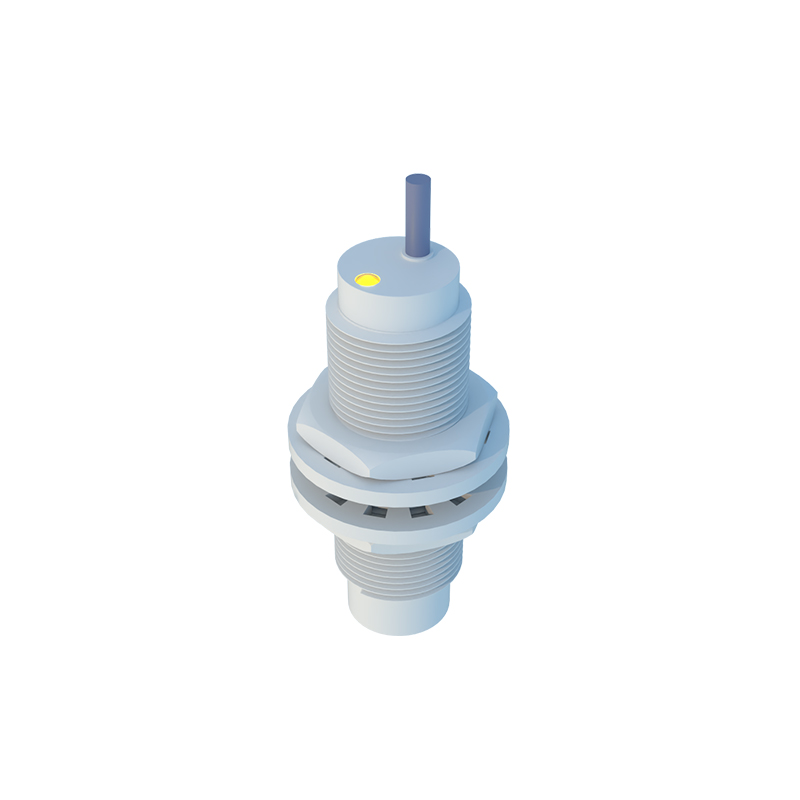
Inductive proximity sensors are widely used for detecting metallic objects. They generate an electromagnetic field and react to changes caused by ferrous or non-ferrous metals. Common models include cylindrical housings (e.g., M8, M12, M18, M30) and rectangular designs. Key series like the E2E from Omron or SI series from Siemens offer high switching frequencies and robust construction for harsh environments. Inductive sensors excel in machine tooling, conveyor systems, and automotive assembly lines.
Capacitive proximity sensors detect both metallic and non-metallic materials, including liquids, plastics, and wood. They measure changes in capacitance when an object enters their electrostatic field. Models such as the BC10 from Balluff or CJ series from Pepperl+Fuchs are ideal for level detection, fill control, and packaging applications. These sensors often feature adjustable sensitivity to handle varying material properties.
Ultrasonic sensors use sound waves to detect objects and measure distances. They are versatile, working effectively in dusty, humid, or glossy surface conditions. Popular models like the UC series from Sick or UM series from Banner Engineering provide reliable performance in challenging settings. Applications include palletizing, collision avoidance in AGVs (Automated Guided Vehicles), and liquid tank monitoring.
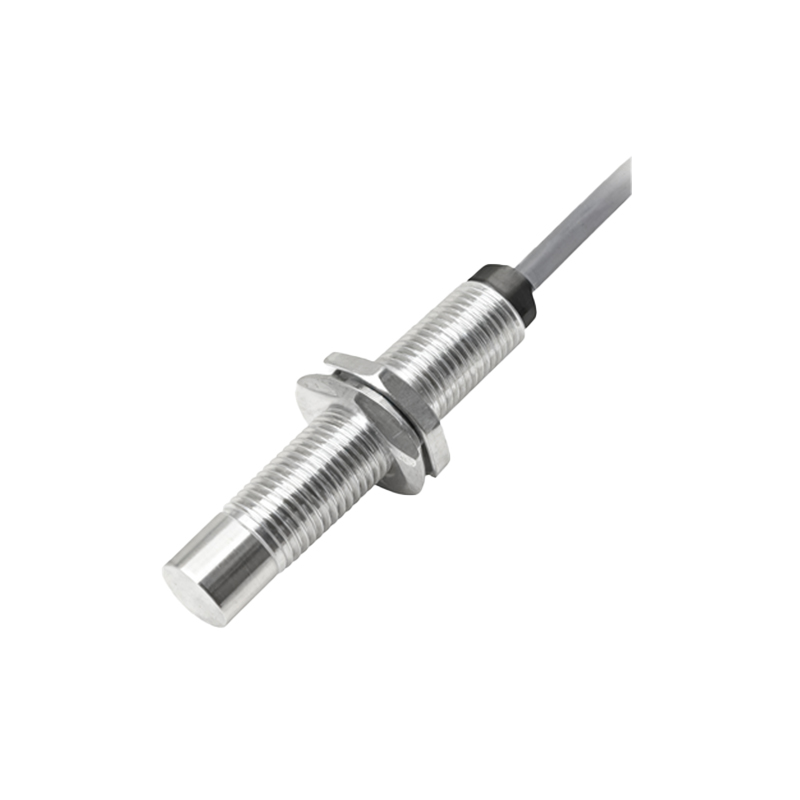
Photoelectric sensors employ light beams (infrared, visible, or laser) to sense objects. They come in through-beam, retro-reflective, and diffuse reflection types. Models such as the E3Z from Omron or WLL series from Leuze offer long sensing ranges and high precision. These sensors are common in bottling plants, electronic component inspection, and warehouse automation.
When selecting a proximity sensor, engineers must consider factors like sensing range, output type (PNP/NPN, analog, IO-Link), housing material (stainless steel, nickel-plated brass, PBT plastic), and environmental ratings (IP67, IP69K). For instance, high-temperature models withstand up to 150°C in foundries, while washdown-resistant sensors suit food and beverage industries.
Integration with industrial networks (PROFINET, EtherNet/IP) and smart features like diagnostics via IO-Link enhance sensor functionality. Modern trends include miniaturization for compact machinery and increased use of hybrid sensors combining multiple technologies.
In summary, choosing the right proximity sensor model depends on application requirements, target material, and operating conditions. By understanding the strengths of each sensor type, engineers can optimize system performance, reduce downtime, and improve safety. Regular maintenance and adherence to manufacturer guidelines ensure long-term reliability. As Industry 4.0 advances, proximity sensors will continue evolving with enhanced connectivity and intelligence.