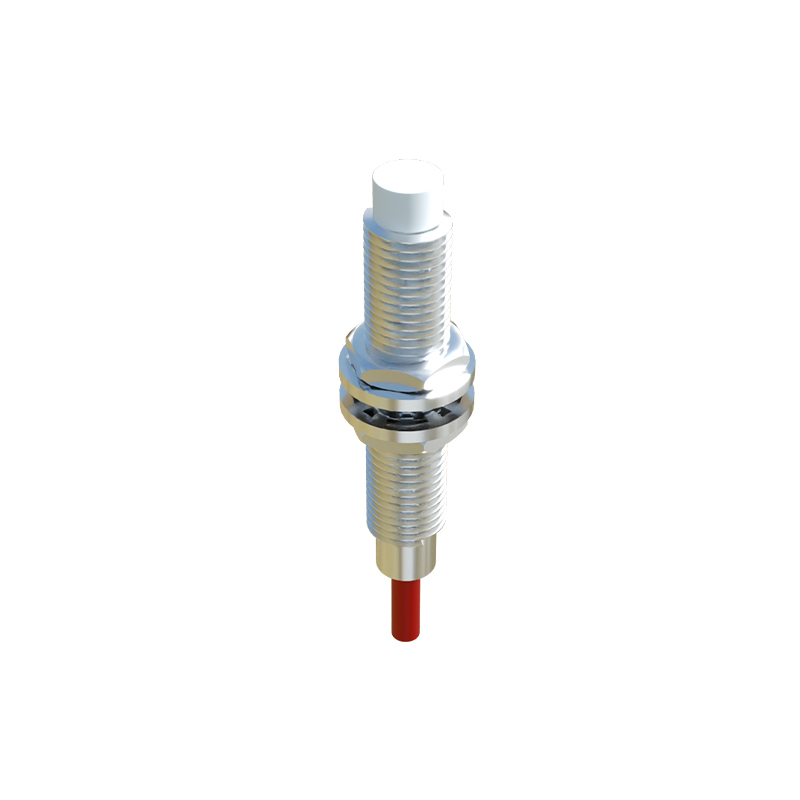
In the realm of industrial automation and machinery, embedded proximity sensors play a pivotal role in enabling non-contact detection of objects. These sensors are designed to be mounted flush within metal structures, allowing for seamless integration and protection in harsh environments. Their operating principles are primarily based on electromagnetic or capacitive effects, with inductive types being the most common in metal sensing applications.
Inductive embedded proximity sensors generate an oscillating electromagnetic field via a coil and oscillator circuit. When a metallic target enters this field, eddy currents are induced on the target's surface. This causes a change in the oscillation amplitude or frequency, which is detected by the sensor's circuitry. The sensor then triggers a switching signal without any physical contact. Key components include a ferrite core, coil, oscillator, demodulator, and output circuit. The sensing range is influenced by factors such as target material, size, and sensor design. For instance, ferrous metals typically yield longer detection distances compared to non-ferrous metals like aluminum or copper.
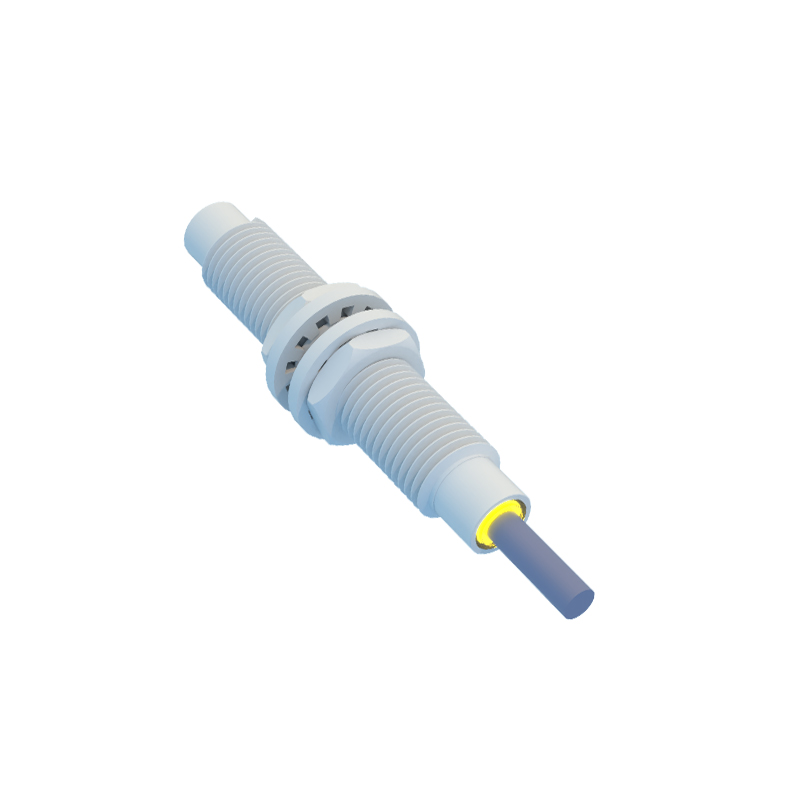
Capacitive embedded proximity sensors operate by detecting changes in capacitance between the sensor's active face and a target. They generate an electrostatic field and respond to the presence of both conductive and non-conductive materials. When an object enters the sensing zone, it alters the dielectric properties, leading to a capacitance shift that is converted into a switch signal. These sensors are suitable for detecting liquids, plastics, or granular materials, making them versatile in various industrial settings.
Embedded designs offer significant advantages, including resistance to mechanical damage, reduced risk of contamination, and streamlined installation. They are commonly used in applications like position sensing, end-of-travel detection, and object counting within automated systems. Selection criteria involve considering environmental conditions (e.g., temperature, humidity), required sensing distance, output type (e.g., NPN/PNP, analog), and housing materials (often stainless steel or nickel-plated brass for durability).
Maintenance of these sensors is minimal due to their non-contact nature, but regular checks for alignment, buildup of debris, and electrical connections are recommended to ensure longevity. Innovations in embedded proximity sensors include enhanced immunity to electromagnetic interference, miniaturization, and integration with digital interfaces for Industry 4.0 applications. Understanding these principles empowers engineers to optimize system reliability and efficiency in demanding industrial operations.