As a seasoned electrical engineer specializing in elevator and escalator systems, I often encounter questions about the location and function of proximity switch sensors in escalators. These sensors are critical components for safety and operational efficiency, yet their placement can be elusive to those unfamiliar with escalator mechanics. In this article, I will provide a detailed, industry-oriented explanation of where these sensors are typically located, their roles, and why precise positioning matters.
Proximity switch sensors in escalators are non-contact devices that detect the presence or absence of an object—usually steps, handrails, or safety features—without physical interaction. They rely on electromagnetic fields or infrared technology to trigger signals that control escalator functions, such as starting, stopping, or speed adjustment. Given their importance, manufacturers strategically install these sensors in key areas to ensure reliable performance and compliance with safety standards like EN 115 or ASME A17.1.
The primary locations for proximity switch sensors in a standard escalator include:
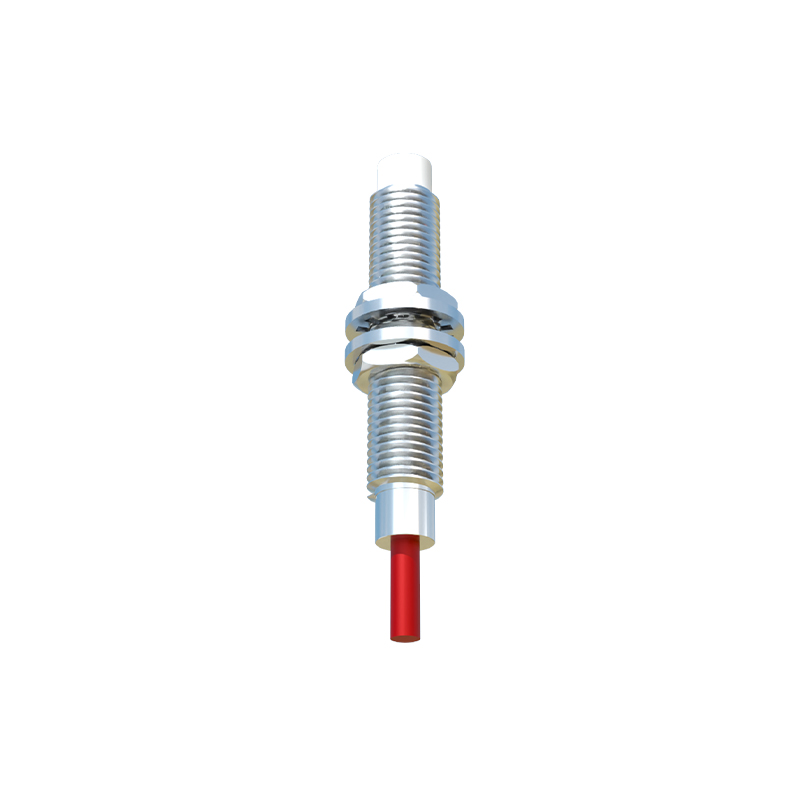
1. Step Chain Monitoring Area: Sensors are often mounted near the step chain drive system, typically at the upper or lower truss sections. They monitor the movement and alignment of steps, detecting anomalies like misalignment or jamming that could lead to operational failures.
2. Handrail Entry and Exit Points: Proximity sensors are installed at handrail entry slots (where the handrail enters the balustrade) and exit points to ensure the handrail moves synchronously with the steps. If a discrepancy is detected, the sensor signals the control system to halt the escalator, preventing passenger accidents.
3. Comb Plate Region: Located at the escalator landing areas, sensors near the comb plates monitor step alignment as they mesh with the comb teeth. This prevents step-edge collisions and ensures smooth passenger transition on and off the escalator.
4. Emergency Stop and Safety Zones: Sensors are integrated into emergency stop buttons or safety skirts along the sides. They activate if an object or person is trapped, triggering an immediate shutdown to minimize injury risks.
5. Drive Machine and Brake Assembly: In the machine room or drive unit, proximity sensors monitor motor speed, brake engagement, and torque levels, providing real-time data for maintenance and fault detection.
The exact placement can vary based on escalator model, manufacturer (e.g., Otis, KONE, or Schindler), and design specifications. For instance, in heavy-duty commercial escalators, additional sensors might be embedded in the step rollers or tensioning devices to enhance durability. Engineers must consider factors like environmental conditions (e.g., dust, moisture) and vibration when installing these sensors, as improper positioning can lead to false triggers or sensor failure.
From a technical perspective, proximity switch sensors operate on principles such as inductive, capacitive, or photoelectric sensing. Inductive sensors, common in metal-dense areas like the step chain, detect metallic objects, while photoelectric sensors are used in handrail monitoring due to their sensitivity to non-metallic materials. Regular maintenance—including calibration and cleaning—is essential to ensure accuracy, as sensor drift or contamination can compromise escalator safety.
In summary, understanding the location of proximity switch sensors is vital for engineers, technicians, and safety inspectors. These sensors are hidden yet indispensable, forming the nervous system of modern escalators. By adhering to industry best practices and manufacturer guidelines, professionals can optimize sensor performance, reduce downtime, and uphold passenger safety. If you're involved in escalator maintenance or installation, always consult technical manuals and schematics for model-specific details, and prioritize routine inspections to keep these critical components functioning flawlessly.