In the demanding world of industrial automation and process control, the reliability of sensing technology is paramount. Among the critical components ensuring seamless operations are proximity sensors, devices that detect the presence or absence of an object without physical contact. However, in environments where exposure to corrosive agents is a constant threat, standard sensors can fail prematurely, leading to costly downtime, safety hazards, and maintenance headaches. This is where corrosion-resistant proximity sensors become indispensable. These specialized devices are engineered to withstand aggressive conditions, ensuring longevity and consistent performance where ordinary sensors would quickly degrade.
Corrosion-resistant proximity sensors are designed with a fundamental understanding of the enemies they face: moisture, salt spray, acidic or alkaline chemicals, oils, solvents, and extreme temperatures. The corrosion process, typically an electrochemical reaction, can attack sensor housings, sensing faces, electrical connections, and cable jackets. To combat this, manufacturers employ a multi-faceted approach to material science and design.
The first line of defense is the housing material. While standard sensors often use materials like nickel-plated brass or certain plastics, corrosion-resistant models frequently utilize stainless steel—particularly grades 316 or 316L, known for their superior resistance to chlorides and a wide range of chemicals. For the most severe environments, such as those in chemical processing, marine applications, or food and beverage production with frequent caustic washdowns, sensors may feature housings made from specialized plastics like PVDF (Polyvinylidene fluoride) or PPS (Polyphenylene sulfide). These polymers offer exceptional resistance to a broad spectrum of corrosive substances and can handle high-pressure, high-temperature cleaning procedures.
The sensing face, a critical functional area, is also protected. Manufacturers often use a front cap or diaphragm made from materials like PTFE (Polytetrafluoroethylene, commonly known as Teflon®) or ceramic. These materials are not only highly inert and resistant to chemical attack but also prevent the buildup of residues that could interfere with the sensing field. This is crucial in industries like pulp and paper or wastewater treatment, where sticky or corrosive materials are prevalent.
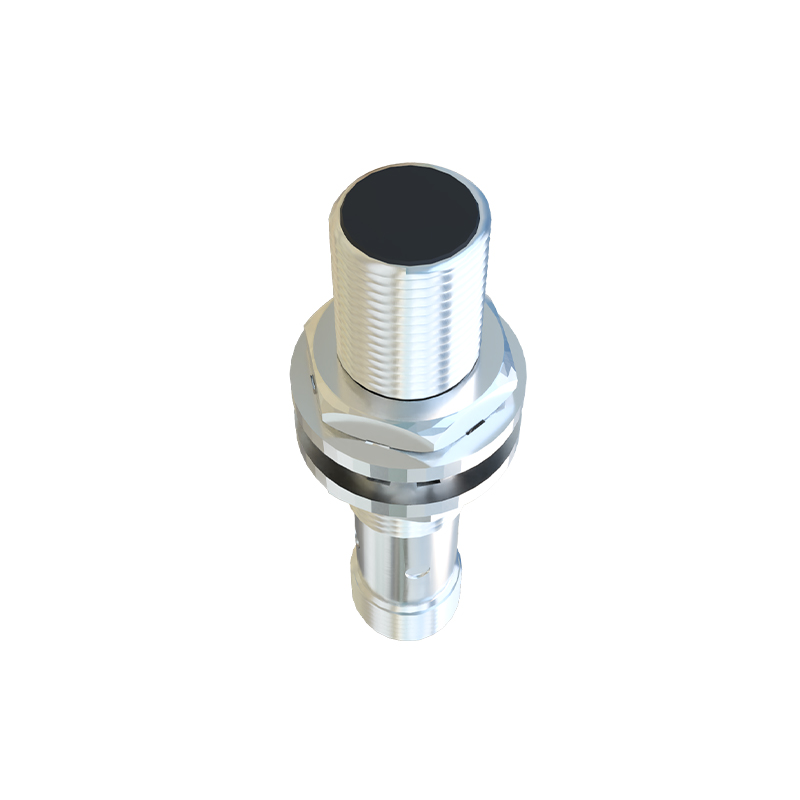
Sealing is another cornerstone of corrosion resistance. High-quality sensors achieve ingress protection ratings like IP67, IP68, IP69K, or NEMA 6P. These ratings guarantee that the sensor is completely protected against dust ingress and can withstand prolonged immersion or high-pressure, high-temperature jet sprays. The seals themselves, typically made from fluorocarbon or perfluoroelastomer materials, are chosen for their stability when exposed to harsh fluids and extreme temperatures.
Beyond physical construction, the internal electronics are potted or encapsulated with epoxy or other compounds. This process protects the circuitry from condensation, humidity, and any corrosive vapors that might penetrate the housing over time, thereby preventing internal short circuits and component failure.
The applications for these robust sensors are vast and critical. In offshore oil and gas platforms, they monitor valve positions and equipment presence while resisting saltwater corrosion. In chemical and pharmaceutical plants, they ensure precise positioning in reactors or piping systems, unfazed by aggressive solvents or acids. Food and beverage facilities rely on them for bottling, packaging, and processing lines, where they must endure daily washdowns with sanitizing chemicals without compromising hygiene or performance. Water and wastewater treatment plants use them to detect levels and control pumps in environments rich in hydrogen sulfide, methane, and other corrosive gases.
When selecting a corrosion-resistant proximity sensor, engineers must conduct a thorough analysis of the operating environment. Key considerations include identifying the specific corrosive agents (e.g., type of acid, alkali, or solvent), their concentration, temperature ranges, potential for mechanical impact or abrasion, and the required cleaning protocols. It is also vital to verify the compatibility of all sensor materials—housing, seal, cable, and sensing face—with the chemicals present. Consulting chemical resistance charts provided by manufacturers is an essential step in this selection process.
Furthermore, the sensing technology itself—inductive, capacitive, or magnetic—must be chosen based on the target material. Inductive sensors, for detecting metals, are most common, but their corrosion-resistant variants use the specialized housings and faces described. For non-metallic targets in corrosive settings, capacitive sensors with similarly robust construction are available.
In conclusion, corrosion-resistant proximity sensors are not merely optional upgrades but fundamental engineering solutions for harsh industrial environments. Their specialized design, leveraging advanced materials and sealing technologies, directly translates into enhanced system reliability, reduced maintenance costs, improved safety, and increased operational uptime. By investing in the correct sensor for the specific corrosive challenge, industries can build more resilient and efficient automation systems capable of thriving under the most punishing conditions. The upfront investment in such robust sensing technology pales in comparison to the potential losses from unplanned stoppages and equipment failures, making these sensors a cornerstone of modern industrial durability.