In the dynamic landscape of industrial automation and smart systems, the role of proximity sensors is foundational. These non-contact detection devices are critical for ensuring precision, safety, and efficiency across countless applications. However, not all proximity sensors are created equal. A high-quality proximity sensor distinguishes itself through a combination of superior engineering, robust performance, and long-term reliability. This article delves into the defining characteristics of top-tier proximity sensors and their significance in modern industry.
First and foremost, the sensing technology itself is a primary differentiator. High-quality sensors employ advanced and stable technologies. Inductive sensors, for detecting metallic objects, boast exceptional repeat accuracy and immunity to environmental factors like dust or oil. Capacitive sensors, capable of detecting both metallic and non-metallic materials, offer high sensitivity and stability. Ultrasonic sensors provide excellent performance for longer ranges and challenging surface conditions, while photoelectric sensors deliver high speed and precision for presence detection. The choice of core technology in a premium sensor is optimized for its intended application, ensuring minimal false triggers and maximum detection certainty.
Construction and housing materials are equally crucial. Industrial environments are often harsh, involving exposure to extreme temperatures, moisture, corrosive chemicals, and physical impact. A high-quality proximity sensor features a housing made from durable materials such as nickel-plated brass, stainless steel (e.g., V4A/AISI 316L), or high-grade PBT/PPS plastics. These materials provide superior resistance to corrosion, wear, and environmental stress. The ingress protection (IP) rating is a key specification; ratings of IP67, IP68, or IP69K indicate the sensor's ability to withstand dust, temporary immersion, and high-pressure washdowns, making them suitable for food & beverage, pharmaceutical, or heavy machinery applications.
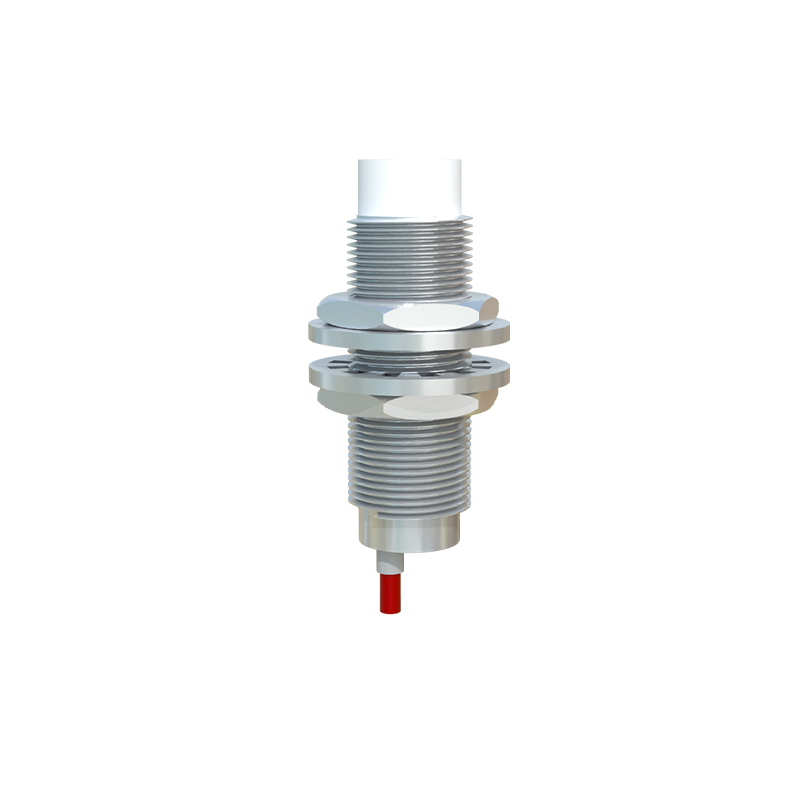
Electrical performance and output stability are non-negotiable for quality. This encompasses a stable sensing range with minimal hysteresis, consistent switching frequency, and low temperature drift. High-quality sensors maintain their specified performance parameters even under fluctuating supply voltages and across their entire operating temperature range. The output circuitry, whether NPN, PNP, analog (4-20mA, 0-10V), or IO-Link, is designed for reliability and compatibility with modern PLCs and control systems. Features like short-circuit protection, reverse polarity protection, and overload protection are standard in premium models, safeguarding both the sensor and the connected equipment from electrical faults.
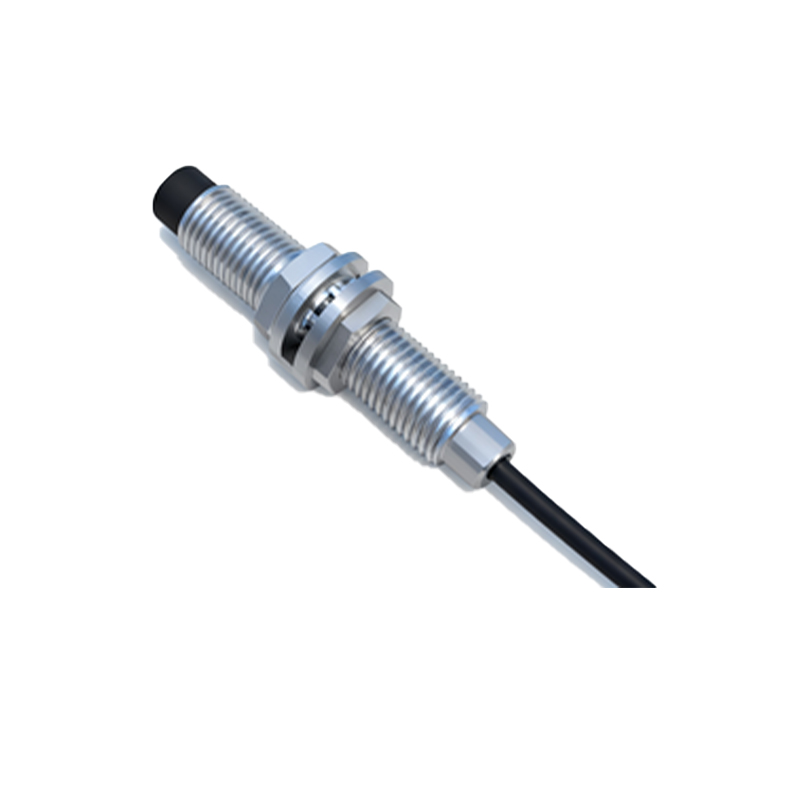
Another hallmark of a superior proximity sensor is its intelligence and diagnostic capability. Modern high-end sensors integrate smart features via IO-Link communication. This allows for parameterization (e.g., adjusting sensing distance or output delay remotely), continuous process data monitoring, and advanced diagnostics. Operators can receive real-time information on device health, operating temperature, and signal strength, enabling predictive maintenance and reducing unplanned downtime. This level of connectivity is a cornerstone of Industry 4.0 and smart factory initiatives.
Finally, long-term reliability and certification are definitive indicators. A high-quality sensor is backed by extensive testing, a long mean time between failures (MTBF), and comprehensive international certifications. These include CE, UL, cULus, and specific approvals for hazardous areas (ATEX, IECEx). Such certifications are not merely labels; they represent rigorous validation of the sensor's safety, electromagnetic compatibility (EMC), and performance under defined conditions.
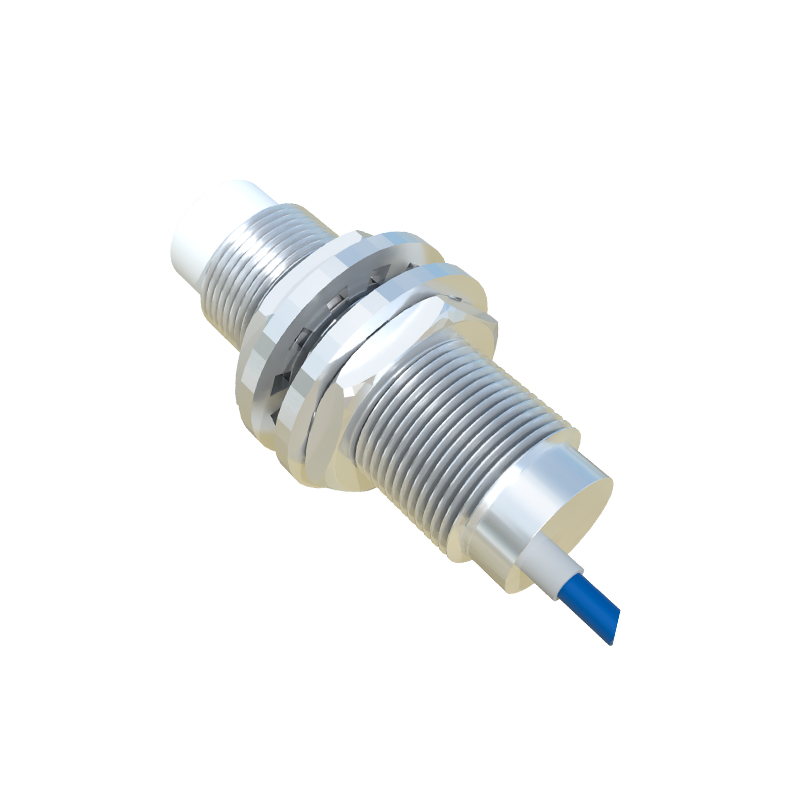
In application, these qualities translate directly to operational excellence. On a high-speed packaging line, a robust inductive sensor ensures precise counting of metallic cans without fail. In a CNC machining center, a durable sensor provides accurate tool positioning. In an automated warehouse, reliable ultrasonic sensors guide autonomous vehicles. The investment in a high-quality proximity sensor pays dividends through reduced maintenance costs, fewer production stoppages, enhanced safety for personnel and machinery, and improved overall product quality.
In conclusion, a high-quality proximity sensor is an engineered solution defined by its advanced sensing technology, rugged construction, stable electrical performance, intelligent features, and proven reliability. Selecting such sensors is not an expense but a strategic investment in the resilience and efficiency of any automated system. As industries continue to evolve towards greater automation and connectivity, the demand for these precision components will only grow, making an understanding of their key features essential for engineers and decision-makers.