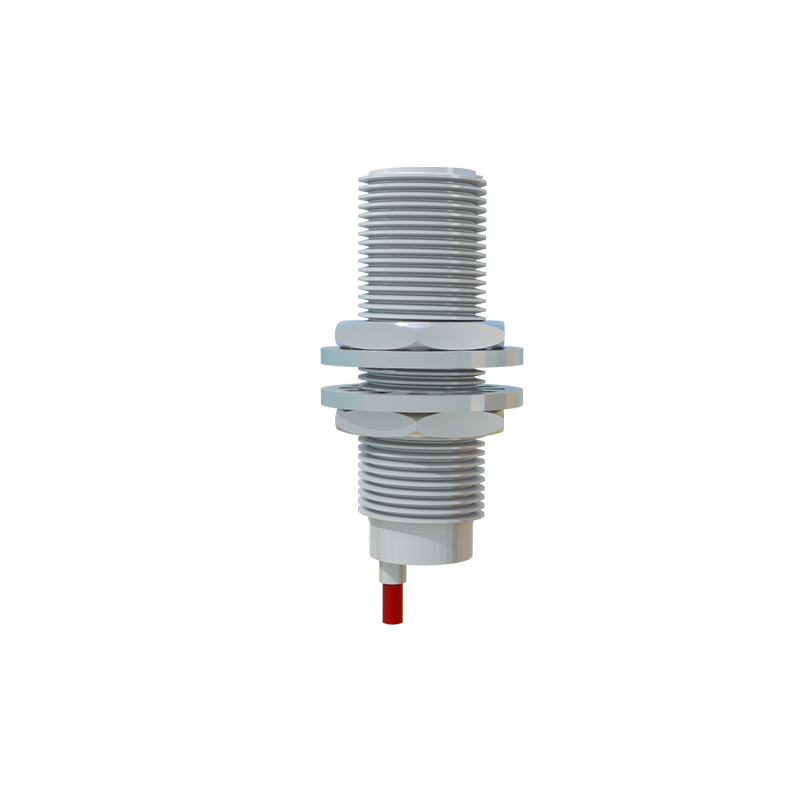
In the rapidly evolving landscape of industrial automation, high precision proximity sensors have become indispensable components, enabling accurate non-contact detection in applications ranging from manufacturing and robotics to automotive and aerospace sectors. The pricing of these sensors is influenced by a complex interplay of technological sophistication, performance specifications, brand reputation, and market dynamics. Typically, high precision proximity sensor prices can range from as low as $20 for basic inductive models to over $500 for advanced laser or ultrasonic variants with specialized features. Key factors driving cost include sensing distance, repeatability accuracy, response time, environmental durability (such as IP ratings and temperature tolerance), output type (e.g., analog, digital, or IO-Link), and material construction. For instance, sensors with sub-micron repeatability or those designed for harsh conditions (extreme temperatures, corrosive environments) command premium prices due to stringent manufacturing requirements and calibration processes.
Brand positioning also plays a significant role; established manufacturers like Omron, Sick, or Balluff often price their high-end models higher, reflecting reliability, comprehensive support, and longevity, while emerging or generic brands may offer competitive pricing to capture market share. Additionally, market trends such as the integration of Industry 4.0 capabilities—like smart sensors with embedded diagnostics and connectivity—are pushing prices upward for feature-rich units, though economies of scale in production are gradually making advanced technologies more accessible. Bulk purchasing through OEM agreements can reduce per-unit costs significantly, whereas retail or small-quantity orders tend to be higher.
From an application perspective, sectors like semiconductor fabrication or medical device manufacturing, where precision is critical, may justify higher investments in sensors with minimal drift and high stability. Conversely, general automation tasks might opt for cost-effective solutions without compromising essential accuracy. It is advisable for engineers and procurement specialists to conduct a total cost of ownership analysis, considering not just the initial price but also installation, maintenance, and potential downtime costs. As innovation continues, prices are expected to stabilize for standard high-precision models while premium features may remain at a higher tier, ensuring that buyers can find options tailored to both performance needs and budget constraints in this dynamic market.