In the realm of industrial automation, proximity sensors are indispensable components, enabling non-contact detection of objects and ensuring seamless, efficient operations. Selecting the right brand is crucial for reliability, precision, and longevity. Based on market reputation, technological innovation, product range, and global support, here is a curated list of the top 10 proximity sensor brands that dominate the industry.
1. Sick AG: A German powerhouse, Sick is renowned for its high-precision sensors and innovative solutions. Their portfolio includes inductive, capacitive, and ultrasonic proximity sensors, widely used in automotive, packaging, and logistics. Sick sensors are celebrated for robust construction and exceptional performance in harsh environments.
2. Omron Corporation: This Japanese leader offers an extensive array of proximity sensors, from miniature models to heavy-duty variants. Omron’s focus on R&D has led to advancements like E2E proximity sensors with enhanced noise immunity and long sensing distances, making them a favorite in manufacturing and robotics.
3. Pepperl+Fuchs: A global specialist in sensor technology, Pepperl+Fuchs excels in inductive and capacitive sensors for explosive and demanding atmospheres. Their products are known for high reliability, with certifications like ATEX and IECEx, ensuring safety in chemical and oil & gas industries.
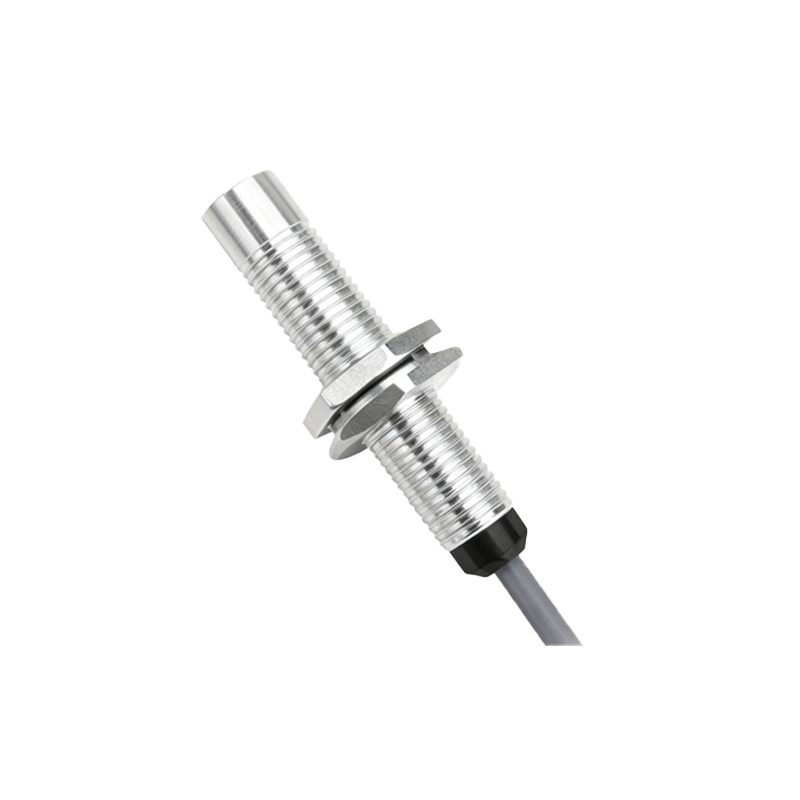
4. Balluff GmbH: German engineering at its finest, Balluff provides versatile proximity sensors with innovative features like IO-Link connectivity for smart factory integration. Their sensors offer high switching frequencies and resistance to environmental factors, ideal for automotive and material handling applications.
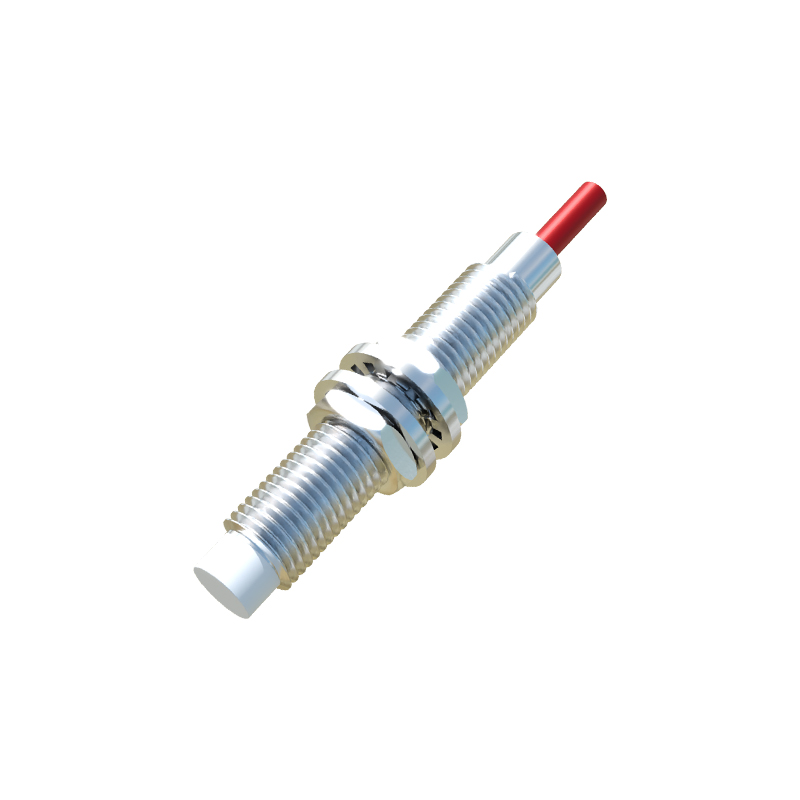
5. IFM Electronic: IFM stands out for user-friendly design and durability. Their inductive sensors, such as the IQ series, incorporate condition monitoring capabilities, reducing downtime. IFM’s global network ensures prompt support, making them a reliable choice for food processing and machinery.
6. Turck: Known for ruggedness, Turck’s proximity sensors thrive in extreme conditions. Their offerings include high-temperature models and sensors with extended ranges. Turck’s expertise in connectivity solutions, like multiport hubs, enhances their appeal in automotive and heavy industries.
7. Rockwell Automation (Allen-Bradley): A staple in North America, Rockwell’s proximity sensors are integral to their automation ecosystem. Products like the 871TM series offer robust performance with easy integration into ControlLogix systems, preferred in large-scale manufacturing and energy sectors.
8. Schneider Electric: With a focus on sustainability and efficiency, Schneider Electric provides reliable inductive and capacitive sensors. Their Telemecanique Sensors brand is synonymous with quality, featuring compact designs and high immunity to interference, suitable for building automation and HVAC.
9. Keyence Corporation: A pioneer in advanced sensing, Keyence offers high-end proximity sensors with unique technologies like coaxial optics for precise detection. Their sensors often include digital displays and programmable settings, catering to electronics and semiconductor industries where accuracy is paramount.
10. Banner Engineering: An American innovator, Banner specializes in versatile sensors with strong value propositions. Their Mini-Amp series, for instance, combines small size with high performance. Banner sensors are widely used in packaging, assembly, and safety applications, known for easy installation and cost-effectiveness.
When choosing a proximity sensor brand, consider factors like application environment, sensing distance, output type, and connectivity needs. Leading brands often provide comprehensive technical support, customization options, and compliance with international standards. Investing in a top-tier brand not only enhances operational efficiency but also reduces maintenance costs and downtime, driving productivity in today’s competitive industrial landscape. As Industry 4.0 evolves, these brands continue to innovate, integrating IoT capabilities and smart features to meet future automation demands.