Inductive proximity sensors are fundamental components in modern industrial automation, offering non-contact detection of metallic objects. Among the standardized form factors, the M12 inductive proximity sensor stands out as a workhorse in countless applications due to its compact size, robust construction, and reliable performance. This article delves into the technical specifications, operating principles, selection criteria, and typical applications of the M12 inductive sensor, providing a detailed guide for engineers and technicians.
The core operating principle of an inductive proximity sensor is based on electromagnetic induction. The sensor contains a coil wound around a ferrite core, an oscillator, a signal evaluator, and a solid-state output switch. The oscillator generates a high-frequency alternating magnetic field that radiates from the active face of the sensor. When a metallic target enters this electromagnetic field, eddy currents are induced on the target's surface. This causes a measurable energy loss (damping) within the oscillator circuit. The sensor's evaluation electronics detects this change and triggers a switching action at the output. For non-metallic materials, this effect is negligible, making these sensors inherently selective to metals.
The "M12" designation refers to the sensor's threaded cylindrical housing with a 12-millimeter diameter. This standardized form factor, defined by IEC 60947-5-2, ensures compatibility with a vast ecosystem of M12 connectors and mounting accessories. Key technical specifications for M12 inductive sensors include:
Sensing Distance (Sn): Typically ranging from 1mm to 4mm for standard M12 models. Factors like target material (steel, aluminum, brass) and size affect the actual sensing range. A correction factor (often 1.0 for mild steel) is applied for other metals.
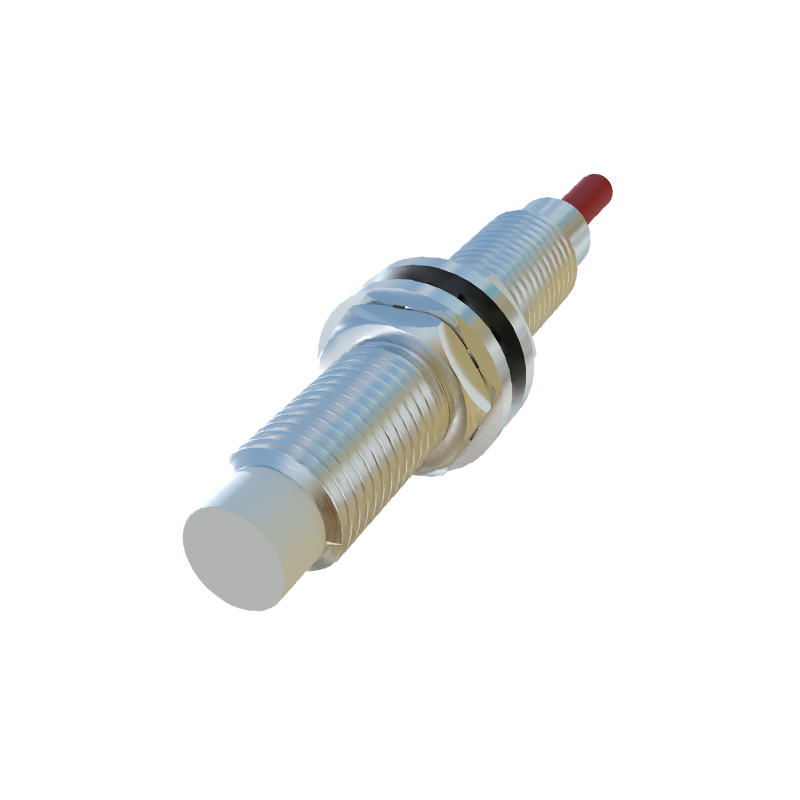
Output Configuration: Available in PNP (sourcing) or NPN (sinking) transistor outputs, as well as NO (normally open) or NC (normally closed) logic. Analog (4-20mA, 0-10V) and IO-Link versions are increasingly common for smart factory applications.
Switching Frequency: Defines how quickly the sensor can detect objects, often ranging from 500 Hz to 5 kHz, crucial for high-speed counting or positioning tasks.
Housing Material: Commonly constructed from nickel-plated brass, stainless steel (V2A/V4A), or PBT plastic, offering varying degrees of resistance to chemicals, oils, and mechanical stress.
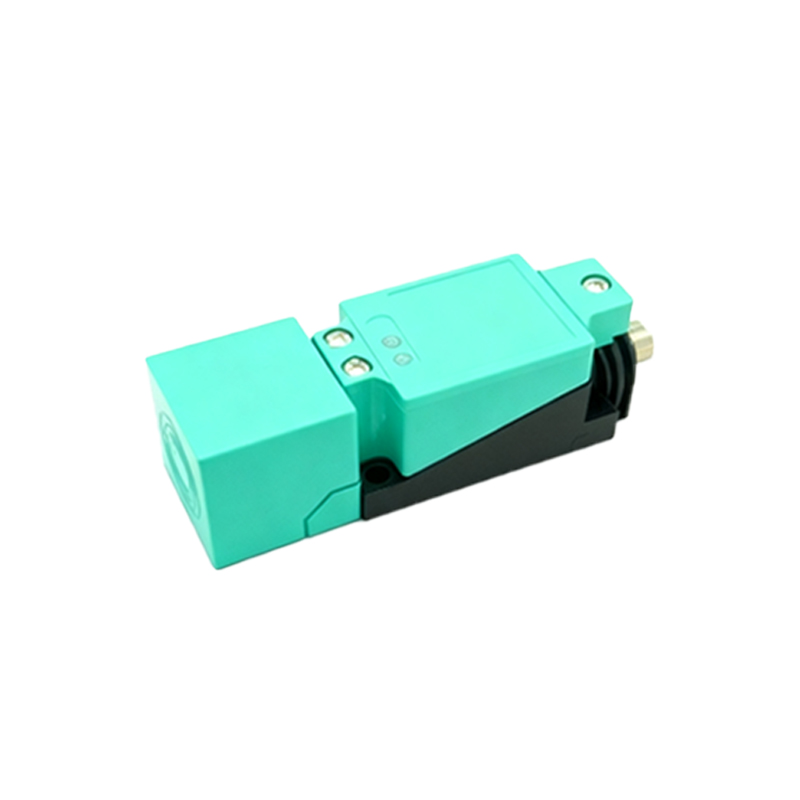
Protection Rating: Most industrial M12 sensors boast an IP67 or IP68 rating, making them dust-tight and capable of withstanding temporary or prolonged immersion in water, essential for washdown environments in food & beverage or pharmaceutical industries.
Electrical Connection: Standard 4-pin M12 quick-disconnect connectors are ubiquitous, with 3-pin versions also available for simpler DC models.
Selecting the right M12 inductive sensor requires careful consideration of the application parameters. The target material is paramount; ferrous metals like iron and steel provide the longest sensing range, while non-ferrous metals like aluminum or copper require a reduced range. The required mounting style—flush, non-flush, or extended range—also impacts performance. Non-flush mount sensors offer a longer sensing range but require more clearance around the mounting area, whereas flush-mount sensors can be embedded in metal without false triggering. Environmental factors such as temperature extremes, presence of cutting fluids, or weld spatter must be matched with the appropriate housing material and protection class.
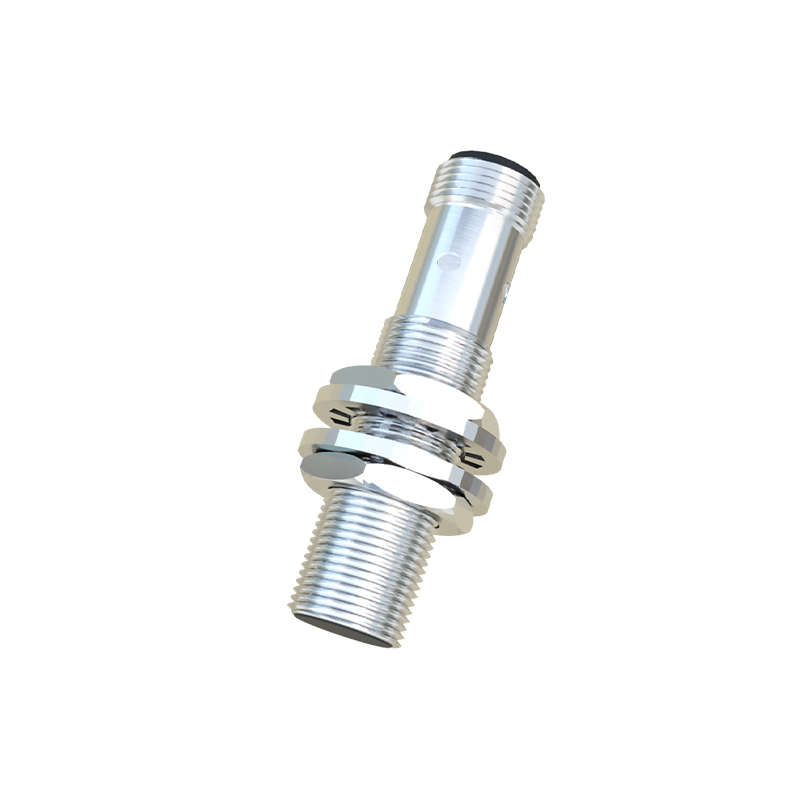
The applications for M12 inductive proximity sensors are virtually limitless in industrial settings. They are extensively used for:
Position Detection: Verifying the presence or absence of parts on conveyors, in fixtures, or at end stops.
End-of-Travel Sensing: Limiting the movement of cylinders, slides, and other actuators.
Counting and Sorting: Detecting metal parts passing a point for inventory or routing purposes.
Speed Monitoring: Used in conjunction with gear teeth or encoder discs to measure rotational speed.
Machine Safety: As part of interlock systems to confirm guard doors are closed before machine start.
In conclusion, the M12 inductive proximity sensor is a versatile, rugged, and indispensable tool for industrial automation. Its standardized design, coupled with a wide array of performance variants, allows it to solve a multitude of object detection challenges reliably and cost-effectively. Understanding its specifications and operating nuances enables engineers to optimize machine design, enhance process reliability, and contribute to efficient, uninterrupted production workflows. As Industry 4.0 progresses, the integration of IO-Link communication into the M12 form factor further extends its capabilities into predictive maintenance and data-rich monitoring systems.