In industrial automation and control systems, proximity switches play a critical role in non-contact detection, offering reliability and durability in harsh environments. Among various specifications, the 300mA proximity switch sensor stands out for its ability to handle higher current loads, making it suitable for demanding applications. This article delves into the technical aspects, operational principles, and practical uses of 300mA proximity sensors, providing insights for engineers and industry professionals.
A proximity switch sensor is an electronic device that detects the presence or absence of an object without physical contact, typically using electromagnetic fields, infrared light, or ultrasonic waves. The 300mA rating refers to the maximum switching current the sensor can handle, which is a key parameter for selecting the right sensor for specific tasks. This higher current capacity allows the sensor to directly control small relays, solenoids, or indicator lamps without requiring additional amplification, simplifying circuit design and reducing costs.
The core technology behind these sensors often involves inductive, capacitive, or magnetic principles. Inductive proximity switches, for example, generate an oscillating electromagnetic field and detect changes caused by metallic objects, making them ideal for metal detection in manufacturing lines. Capacitive versions can sense both metallic and non-metallic materials by measuring changes in capacitance, useful in liquid level detection or plastic handling. Magnetic proximity switches rely on magnetic fields, commonly used with moving magnets in hydraulic cylinders or safety systems. The 300mA models are designed with robust components to sustain this current without overheating, ensuring long-term stability and compliance with industrial standards like IEC 60947-5-2.
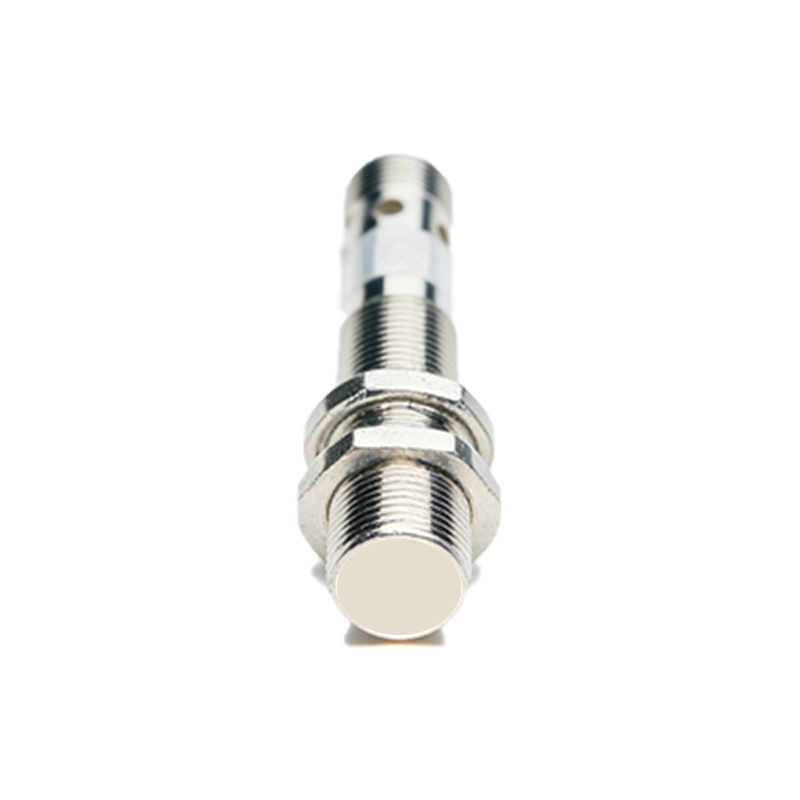
Key features of 300mA proximity switches include high switching capacity, which enables direct load control and reduces the need for external interfaces. They often come with short-circuit and overload protection, enhancing safety in volatile environments. Many models offer adjustable sensing distances or built-in timers for flexible integration into automated processes. The housing is typically made of stainless steel or nickel-plated brass, providing resistance to corrosion, dust, and moisture, with IP67 or higher ratings for use in washdown areas or outdoor settings. Additionally, LED indicators for operational status simplify maintenance and troubleshooting.
In practical applications, 300mA proximity sensors are widely used across industries. In automotive manufacturing, they monitor the position of robotic arms or detect parts on conveyor belts, ensuring precise assembly. Packaging machinery utilizes these sensors to count products or verify cap placement on bottles, where the higher current can power ejection mechanisms directly. Material handling systems benefit from their durability in detecting pallets or guiding automated vehicles. In the food and beverage sector, sensors with high IP ratings help maintain hygiene while controlling valves or pumps. The 300mA capacity is particularly advantageous in applications involving inductive loads, such as controlling small motors or solenoids, where inrush currents can be significant.
When selecting a 300mA proximity switch, engineers should consider factors like sensing distance, output type (e.g., NPN or PNP), voltage range (commonly 10-30V DC or 20-250V AC), and environmental conditions. Proper installation is crucial to avoid interference from adjacent metal objects or electrical noise. Regular testing with multimeters or oscilloscopes can verify performance, and adherence to manufacturer guidelines ensures optimal lifespan. As Industry 4.0 advances, these sensors are increasingly integrated with IoT platforms for predictive maintenance and data analytics, further boosting efficiency.
In summary, the 300mA proximity switch sensor is a versatile and powerful component in industrial automation, offering high current handling, reliability, and adaptability. By understanding its specifications and applications, professionals can enhance system performance and reduce downtime, contributing to smarter and more resilient operations.