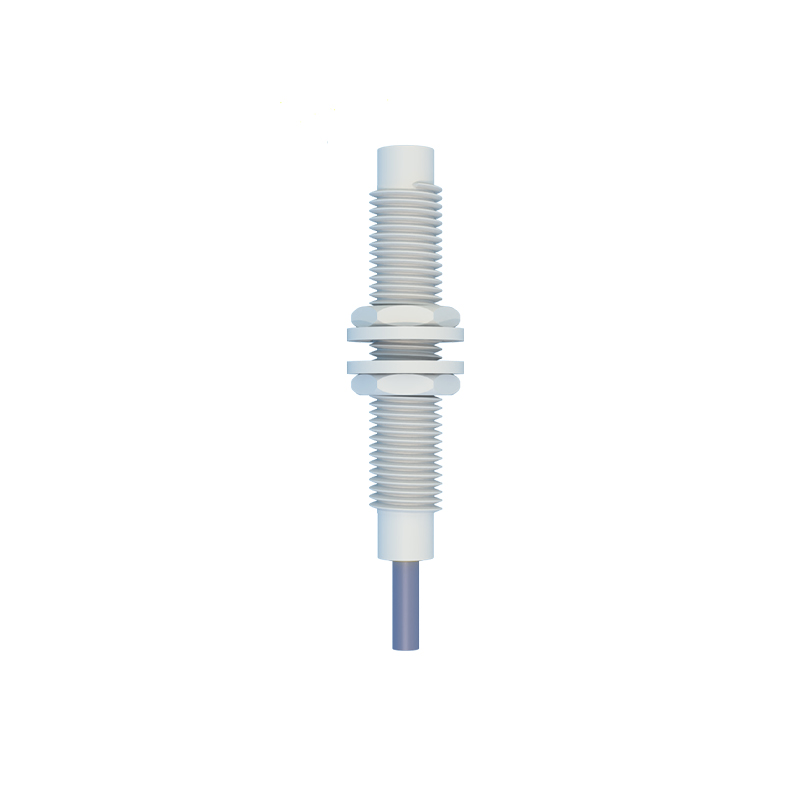
Proximity sensors are indispensable components in modern industrial automation, offering non-contact detection of objects within their sensing range. Their design and functionality are characterized by several critical aspects that determine their suitability for various applications. One primary characteristic is the sensing technology employed. Inductive proximity sensors detect metallic objects by generating an electromagnetic field and monitoring disturbances caused by conductive materials. Capacitive sensors, on the other hand, can detect both metallic and non-metallic objects by measuring changes in capacitance. Ultrasonic sensors use sound waves to detect objects, making them effective for diverse materials and challenging environments, while photoelectric sensors rely on light beams.
Another defining feature is the sensing distance, often referred to as the nominal range. This parameter specifies the maximum distance at which a sensor can reliably detect a standard target. Factors such as target material, size, and environmental conditions can influence the effective range. For instance, inductive sensors typically have shorter ranges compared to ultrasonic ones. The response time is equally crucial, denoting the speed at which the sensor reacts to the presence or absence of an object. High-speed applications, like assembly lines or packaging machinery, require sensors with rapid response times to maintain efficiency and precision.
Environmental robustness is a key consideration. Industrial settings often expose sensors to harsh conditions, including extreme temperatures, moisture, dust, and chemical exposure. Many proximity sensors are built with rugged housings, often rated with Ingress Protection (IP) codes, ensuring durability and reliable operation in demanding environments. Electrical characteristics, such as output type (e.g., NPN, PNP, analog, or IO-Link), voltage ratings, and current capacity, must align with the control system's requirements. Output configurations enable integration with Programmable Logic Controllers (PLCs) and other automation devices.
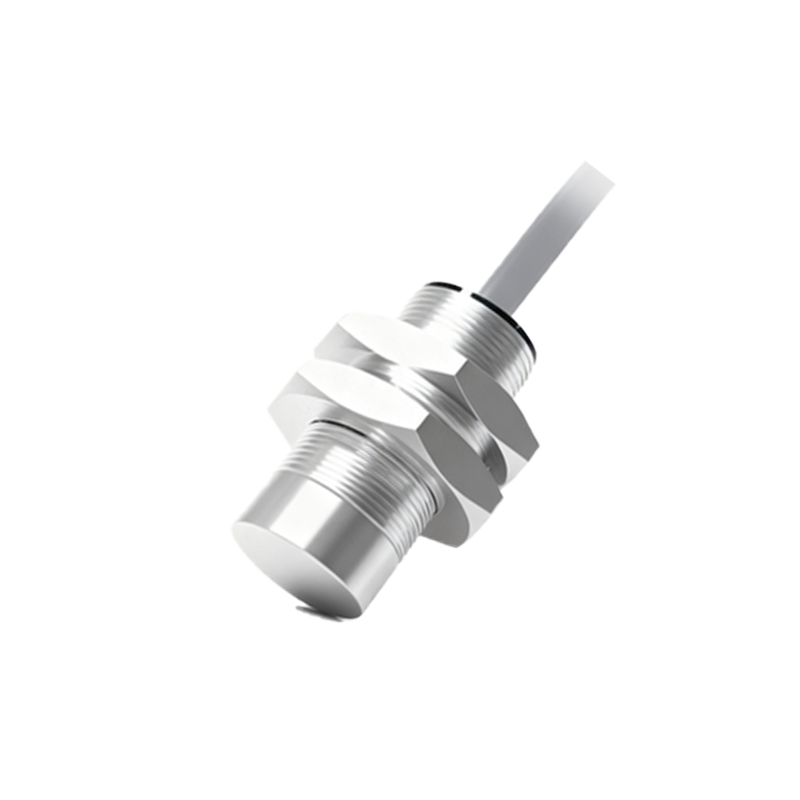
Additionally, the physical design, including shape (cylindrical, rectangular, or ring-shaped) and mounting options, affects installation flexibility. Some sensors feature built-in indicators for status monitoring, facilitating maintenance and troubleshooting. Immunity to electromagnetic interference (EMI) and noise is vital in electrically noisy industrial plants to prevent false triggering. Modern sensors also incorporate smart features like diagnostics and parameter adjustability via digital interfaces, enhancing their adaptability and predictive maintenance capabilities.
In summary, the characteristics of proximity sensors—encompassing technology type, sensing range, response speed, environmental resilience, electrical compatibility, and design features—collectively define their performance. Selecting the appropriate sensor based on these attributes ensures optimal functionality, reliability, and longevity in automation systems, contributing to enhanced productivity and safety across manufacturing, material handling, and robotic applications.