In the realm of industrial automation and electronic control systems, proximity sensors are indispensable components for detecting the presence or absence of objects without physical contact. Among the various types, inductive proximity sensors, which often incorporate magnetic rings, play a critical role in enhancing performance and reliability. This article delves into the function, benefits, and applications of magnetic rings within these sensors, providing insights for engineers and technicians in the electrical and automation fields.
A magnetic ring, typically made from ferrite or similar magnetic materials, is integrated into the design of an inductive proximity sensor. Its primary purpose is to concentrate and direct the magnetic field generated by the sensor's coil. When an AC current flows through the coil, it produces an oscillating electromagnetic field. The magnetic ring serves as a core that focuses this field into a defined sensing area, thereby increasing the sensor's sensitivity and detection range. Without the ring, the magnetic field would disperse, leading to reduced efficiency and potential false triggers from surrounding metallic objects.
The key functions of magnetic rings in proximity sensors can be summarized as follows. First, they enhance sensitivity by amplifying the magnetic flux density, allowing the sensor to detect smaller or more distant metallic targets. This is particularly useful in applications requiring high precision, such as in robotic assembly lines or CNC machinery. Second, magnetic rings improve directionality, ensuring that the sensor responds primarily to objects within its intended detection zone while minimizing interference from adjacent materials. This directional focus helps in reducing noise and improving signal-to-noise ratios, which is crucial for stable operation in electrically noisy industrial environments.
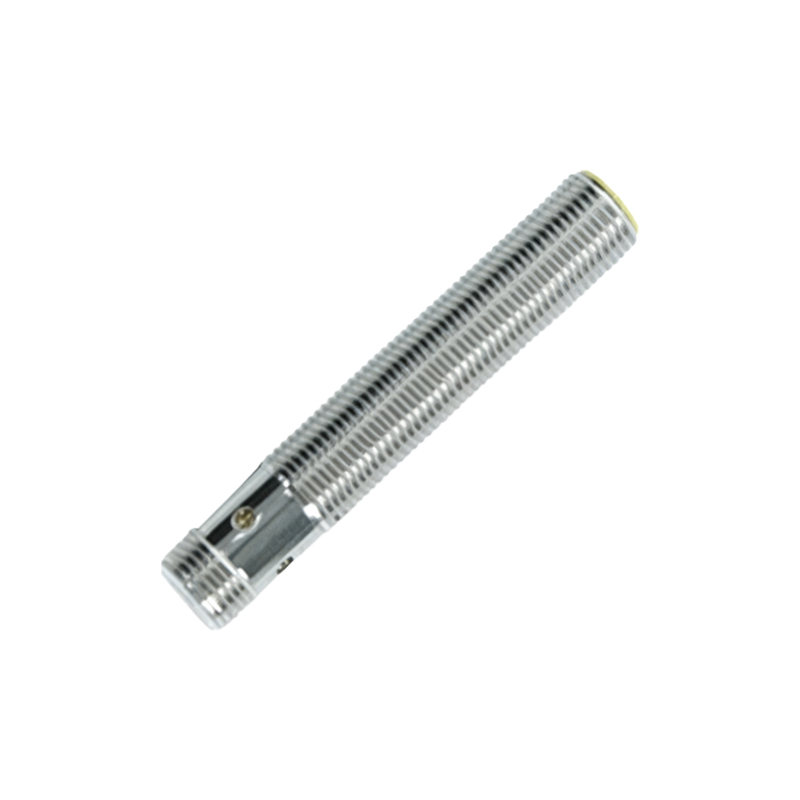
Moreover, magnetic rings contribute to the overall durability and longevity of proximity sensors. By containing and guiding the magnetic field, they reduce energy loss and heat generation within the coil, leading to lower power consumption and extended operational life. This efficiency is vital in continuous-duty applications, such as conveyor systems or packaging machines, where sensors must operate reliably over long periods without maintenance. Additionally, the use of magnetic rings allows for more compact sensor designs, as they enable effective performance in smaller form factors, fitting into tight spaces in modern automated equipment.
In practical applications, magnetic rings are found in various types of inductive proximity sensors used across industries. For instance, in automotive manufacturing, sensors with magnetic rings detect the position of metal components during assembly, ensuring precise alignment and quality control. In material handling, they monitor the presence of metallic items on belts, preventing jams and optimizing workflow. The food and beverage industry also benefits from these sensors, where they are often housed in stainless steel casings with magnetic rings to withstand harsh washdown environments while detecting metal containers or machinery parts.
When selecting or designing a proximity sensor with a magnetic ring, engineers must consider factors such as the ring material, size, and geometry. Ferrite rings are common due to their high magnetic permeability and low cost, but other materials like powdered iron may be used for specific frequency ranges or temperature stability. The ring's shape, whether toroidal or cylindrical, affects the field distribution and should be matched to the sensor's application requirements. Proper integration ensures optimal performance, including consistent switching points and resistance to external electromagnetic interference.
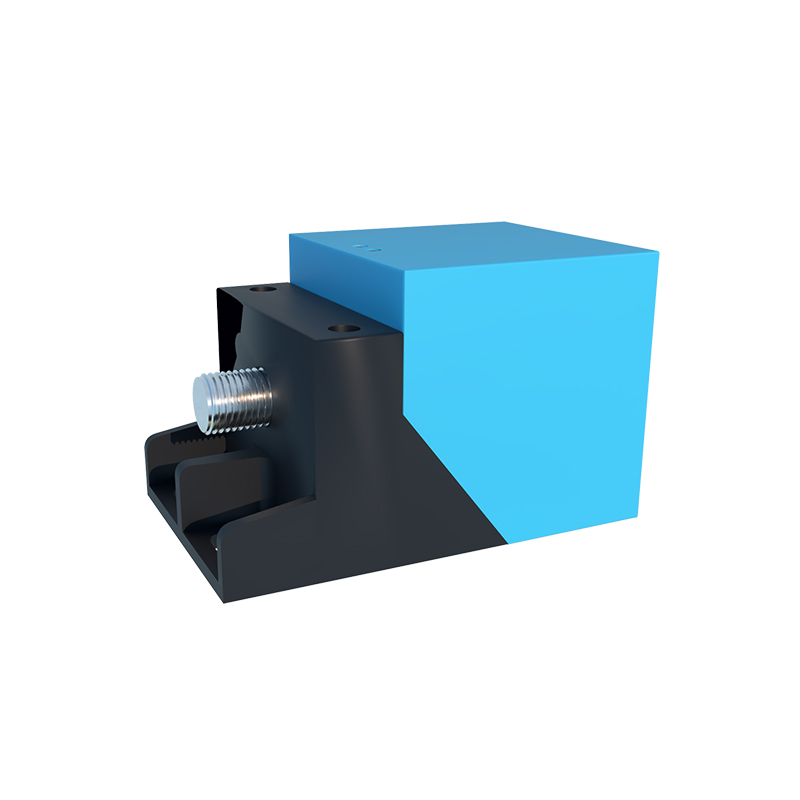
In conclusion, magnetic rings are vital components that significantly enhance the functionality of inductive proximity sensors. By concentrating magnetic fields, they boost sensitivity, directionality, and efficiency, making sensors more reliable and versatile in diverse industrial settings. As automation technology advances, the role of magnetic rings continues to evolve, supporting innovations in smart manufacturing and IoT-enabled systems. For professionals in the electrical industry, understanding these elements is key to implementing effective sensing solutions that drive productivity and safety.