In the demanding landscape of modern industrial automation, the reliability of sensing technology directly impacts operational efficiency, safety, and cost. Among the critical components, proximity sensors stand as frontline sentinels, detecting the presence or absence of objects without physical contact. However, standard inductive, capacitive, or photoelectric sensors often fail when subjected to extreme conditions involving elevated temperatures and corrosive chemical exposure. This is where specialized high-temperature and acid-alkali resistant proximity sensors become indispensable, engineered to thrive where others cannot.
The core challenge in harsh environments stems from material degradation. Standard sensor housings, typically made from plastics like PBT or PA, can warp, melt, or lose mechanical integrity at sustained high temperatures exceeding 100°C. Similarly, seals and cable jackets may deteriorate, allowing aggressive media—such as acids, alkalis, solvents, or high-pressure washdown fluids—to penetrate and damage internal electronics. Metallic sensing faces, if not properly alloyed, can corrode, leading to signal drift or complete failure. These failures result in unplanned downtime, costly replacements, and potential safety hazards.
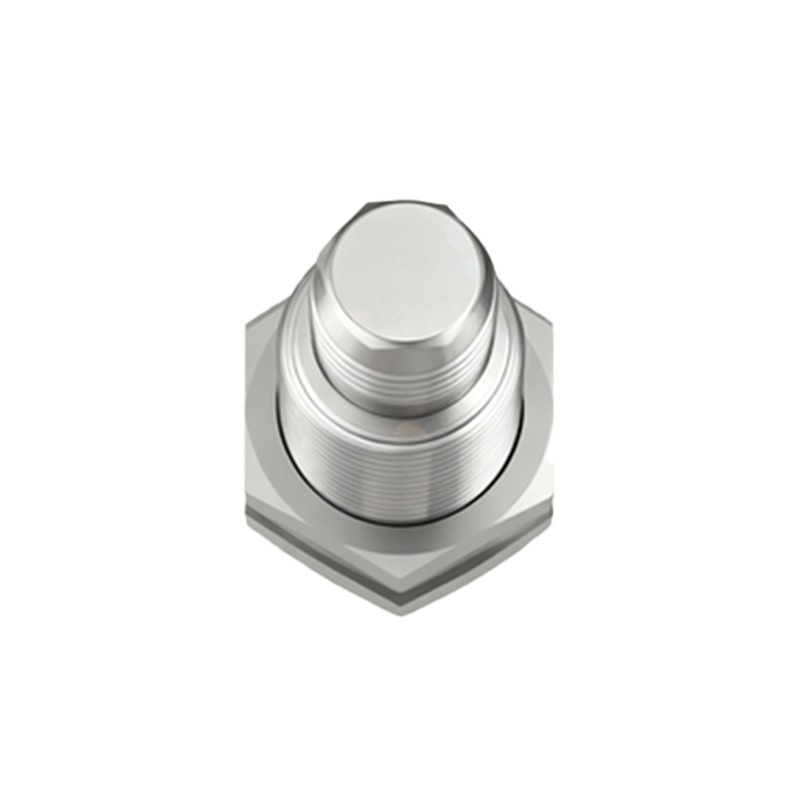
Engineering a sensor to withstand these dual assaults requires a holistic approach from the housing inward. The first line of defense is the encapsulation. For superior chemical and thermal resistance, housings are increasingly fabricated from advanced engineering polymers like Polyphenylene Sulfide (PPS) or Polyetheretherketone (PEEK). These materials maintain structural stability and excellent dielectric properties at continuous operating temperatures ranging from 150°C to over 200°C, while also offering exceptional resistance to a broad spectrum of corrosive chemicals. For the most severe applications, sensors with stainless steel housings (e.g., 316L grade) and specially welded hermetic seals are employed.
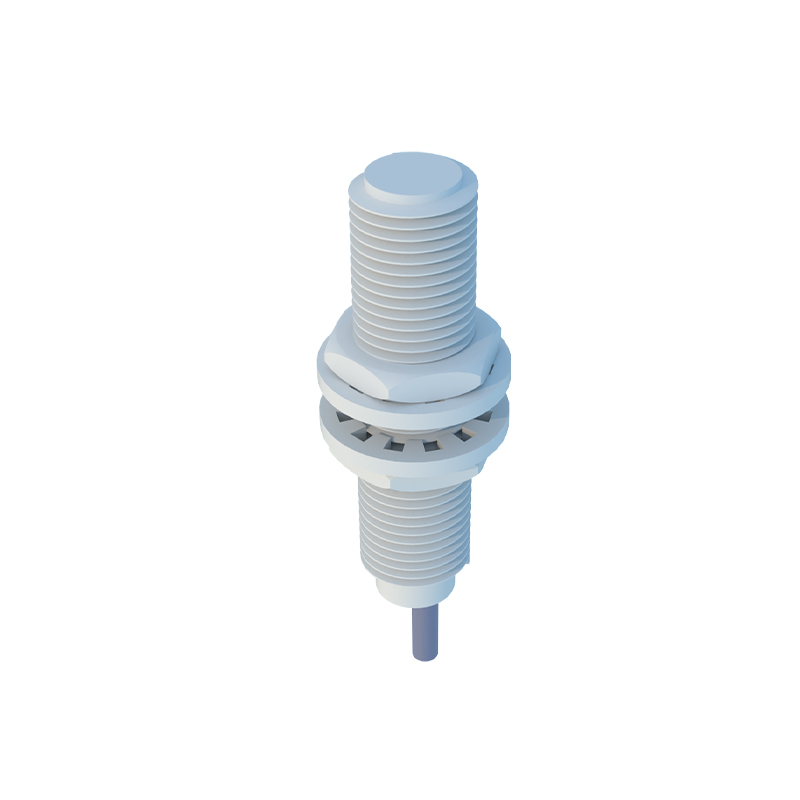
The sensing face itself is critical. In inductive sensors, the coil is potted with high-temperature, chemically inert epoxy resins that protect against thermal shock and ingress. The active face is often a robust ceramic material or a corrosion-resistant metal like titanium or Hastelloy, ensuring consistent detection performance even when splashed with caustic solutions. The sensing technology also plays a role. While inductive sensors are common for metal detection, all-welded stainless steel capacitive sensors are preferred for detecting liquids or non-metals in corrosive tanks, as they can be built with no compromising seams.
Sealing is paramount. High-quality sensors achieve ingress protection ratings of IP67, IP68, IP69K, and often carry NEMA 6P ratings. This is accomplished using multiple seals: high-temperature fluorocarbon (FKM/Viton) O-rings, laser-welded metal-to-metal seals, and specialized potting compounds that fill all internal cavities. These measures prevent the diffusion of chemical vapors and liquids under high pressure and temperature cycling.
Electrical connections and cabling are equally engineered for resilience. Cables are sheathed in materials like PTFE (Teflon) or PFA, which are inherently resistant to heat and chemicals. For flexibility in high-temperature zones, mineral-insulated (MI) cables or fiber-optic extensions for optical sensors are used. The internal electronics feature components rated for high-temperature operation, with designs that manage heat dissipation to prevent internal thermal runaway.
The applications for these rugged sensors are vast and vital. They are deployed in:
Metal Processing & Foundries: Monitoring molten metal levels, detecting red-hot billets on rolling lines, and sensing positions in heat treatment furnaces.
Chemical & Pharmaceutical Manufacturing: Providing position feedback on valves, pumps, and mixers handling acids, alkalis, and solvents; ensuring containment in reactor vessels.
Food & Beverage Production: Withstanding frequent cleaning-in-place (CIP) and sterilization-in-place (SIP) procedures that use high-temperature caustic and acidic solutions.
Plastics & Rubber Molding: Operating reliably in the hot, oily atmospheres near injection molding machines and extruders.
Automotive Paint Shops: Functioning in environments with paint solvents and high-temperature curing ovens.
Selecting the right sensor requires careful analysis of the specific environment. Key parameters include the maximum continuous and peak temperatures, the exact chemical agents and their concentrations, potential mechanical impacts, required sensing distance, and electrical output type (e.g., PNP/NPN, analog, IO-Link). Consulting with sensor manufacturers who provide detailed chemical resistance charts and temperature derating curves is essential for a successful, long-lasting installation.
In conclusion, high-temperature and acid-alkali resistant proximity sensors are not merely incremental improvements but purpose-built engineering solutions. Through the strategic use of advanced materials, hermetic sealing technologies, and robust electronic design, they deliver unwavering reliability in the most punishing industrial settings. Their implementation is a strategic investment, safeguarding continuous production, protecting capital equipment, and enhancing overall