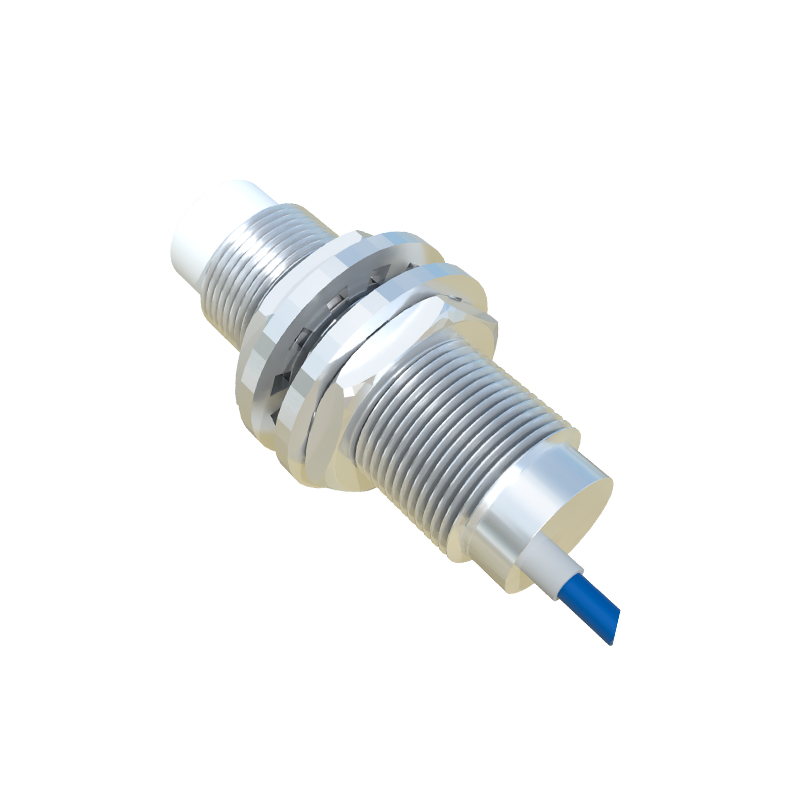
Photoelectric proximity sensors are indispensable components in modern industrial automation, offering non-contact detection capabilities that enhance efficiency, reliability, and safety across diverse applications. These sensors operate by emitting a beam of light—typically infrared, visible red, or laser—and detecting changes in the received light intensity or reflection patterns when an object enters their sensing range. Unlike mechanical switches or inductive sensors, photoelectric sensors excel in detecting a wide variety of materials, including transparent, opaque, and reflective surfaces, making them highly versatile for complex industrial environments.
One of the primary characteristics of photoelectric proximity sensors is their extended sensing range. Depending on the model and technology employed, these sensors can detect objects from a few millimeters up to several meters away. For instance, through-beam sensors, which consist of separate emitter and receiver units, offer the longest ranges and highest accuracy by measuring direct light interruption. In contrast, diffuse reflective sensors integrate both emitter and receiver in a single housing, using the reflection from the target object for detection, which simplifies installation but may have shorter ranges. Retro-reflective sensors, which utilize a reflector to bounce light back to the receiver, strike a balance between range and convenience, suitable for applications where through-beam alignment is impractical.
Another key feature is their high response speed and precision. Photoelectric sensors can detect objects at rapid rates, often in microseconds, making them ideal for high-speed production lines, packaging machinery, and conveyor systems. Their ability to sense minute objects or precise positions contributes to improved quality control and process optimization. Additionally, many modern photoelectric sensors incorporate advanced functionalities such as background suppression, which ignores objects beyond a set distance, and teach-in modes for easy configuration, reducing setup time and enhancing adaptability.
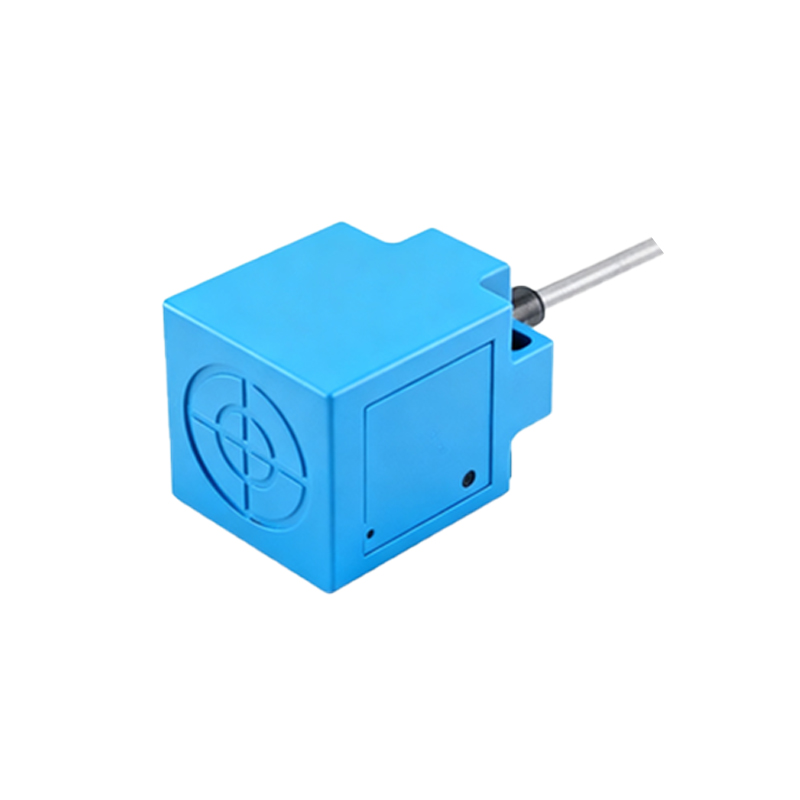
Durability and environmental resistance are critical in industrial settings. Photoelectric sensors are typically housed in robust enclosures made from materials like stainless steel or engineered plastics, providing protection against dust, moisture, vibrations, and temperature fluctuations. Many models comply with international standards such as IP67 or IP69K, ensuring reliable operation in harsh conditions like washdown areas or outdoor installations. Furthermore, their non-contact nature minimizes wear and tear, leading to lower maintenance requirements and longer service life compared to mechanical alternatives.
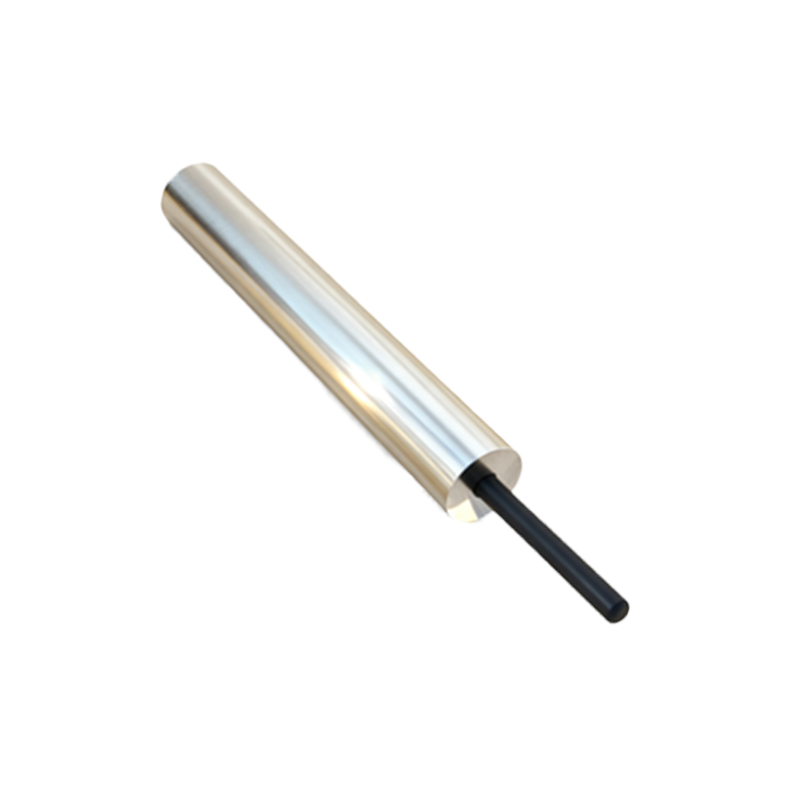
Energy efficiency and integration capabilities also stand out as significant advantages. With low power consumption and compatibility with various voltage levels (e.g., 10-30V DC), these sensors align with sustainable industrial practices. They seamlessly interface with programmable logic controllers (PLCs), human-machine interfaces (HMIs), and industrial networks via digital outputs (PNP/NPN) or analog signals, enabling real-time monitoring and control. Innovations like IO-Link connectivity further enhance diagnostic features, allowing predictive maintenance and data logging for smarter automation systems.
In summary, photoelectric proximity sensors offer a combination of versatility, speed, durability, and precision that drives industrial automation forward. Their ability to detect diverse materials over varying distances, coupled with robust design and easy integration, makes them a preferred choice for applications ranging from material handling and assembly to robotics and safety systems. As technology evolves, these sensors continue to incorporate smarter features, reinforcing their role as essential tools for efficient and reliable industrial operations.