In the rapidly industrializing landscape of Shenzhen, Guangming District has emerged as a critical hub for advanced manufacturing and automation. For electrical engineers, automation specialists, and procurement managers, sourcing reliable proximity sensors is a fundamental task that directly impacts production line efficiency, machine safety, and system reliability. This guide delves into the technical ecosystem of proximity sensor suppliers in Guangming District, offering a professional perspective on selection criteria, prevalent technologies, and industry best practices.
The concentration of electronics manufacturers, packaging machinery plants, and automotive part suppliers in Guangming has fostered a specialized market for industrial sensors. Proximity sensor shops in this area range from authorized distributors of global brands like Siemens, Omron, Schneider Electric, and Pepperl+Fuchs to specialized vendors offering robust domestic brands and compatible alternatives. These establishments are typically clustered around major industrial zones, providing not just products but essential technical support. A key differentiator for reputable shops is their ability to provide detailed datasheets, environmental ratings (IP67, IP69K), and compliance certificates (CE, RoHS) upfront, which is non-negotiable for integration into certified machinery.
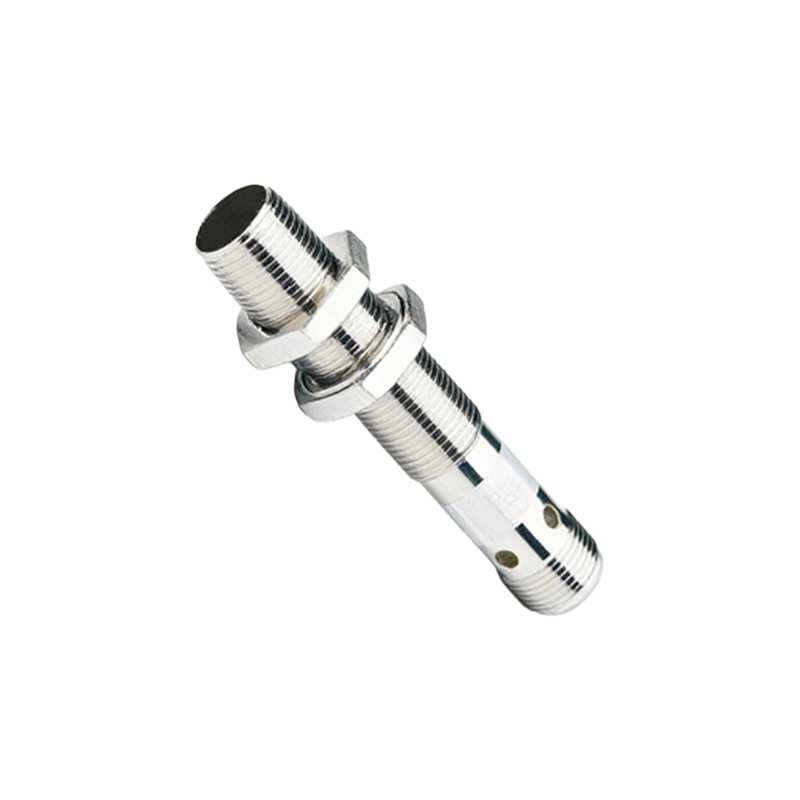
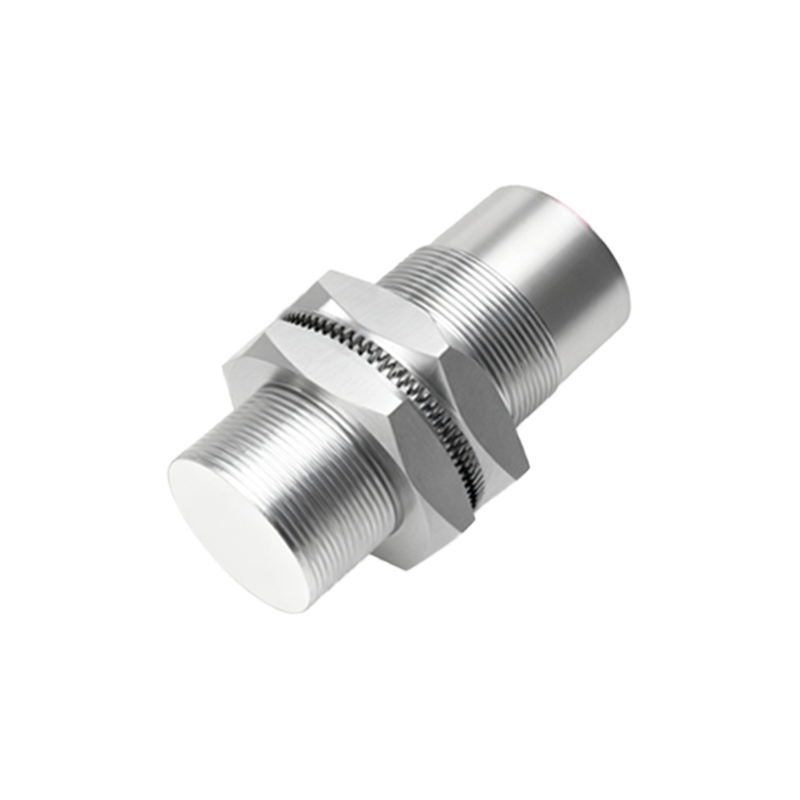
From an engineering standpoint, the choice of sensor type—inductive, capacitive, or magnetic—is dictated by the application. Inductive sensors, detecting metallic objects, dominate in metal machining and robotic arm position feedback. Shops in Guangming stock a vast array of these, with variants in housing materials (stainless steel, PBT plastic), sensing distances (from 1mm to 60mm), and output configurations (PNP/NPN, NO/NC). For non-metallic object detection, such as in bottling or wood processing lines, capacitive sensors are available. Technicians should verify the dielectric constant of the target material when sourcing these. Furthermore, the rise of Industry 4.0 has increased demand for IO-Link enabled sensors, which offer parameterization and diagnostic data. Leading shops now prominently feature these smart sensors and can demonstrate their integration with PLC systems.
Beyond product availability, the value proposition of a top-tier proximity sensor shop lies in its technical consultancy. Engineers should seek suppliers whose staff can engage in discussions about switching frequency, hysteresis, temperature tolerance, and shielding requirements in electrically noisy environments. For instance, an application involving variable-frequency drives (VFDs) necessitates sensors with excellent electromagnetic compatibility (EMC). A knowledgeable vendor will recommend appropriately shielded models and might even provide on-site testing support. Another critical service is form factor customization. Many shops have connections with local manufacturers who can produce sensors with specific thread sizes, cable lengths, or connector types (M8, M12), crucial for retrofit projects or unique machinery designs.
Procurement logistics are equally vital. Reliable shops maintain transparent stock levels, offer sensible MOQs (Minimum Order Quantities), and have efficient channels for handling RMA (Return Merchandise Authorization) for faulty units. They understand the cost of downtime and often provide guaranteed delivery timelines within the district. For ongoing projects, establishing a vendor-managed inventory (VMI) agreement with a trusted shop can streamline operations significantly.
In conclusion, navigating the proximity sensor market in Guangming District requires a blend of technical acumen and supplier vetting. The district's shops are well-equipped to serve high-demand industrial applications, but success hinges on clear communication of technical specifications and operational requirements. Building a relationship with a technically competent supplier is an investment that pays dividends in system uptime, maintenance cost reduction, and long-term project scalability. Always prioritize vendors who treat the transaction as a technical collaboration rather than a simple component sale.