In the demanding environments of modern industrial automation, proximity sensors are indispensable components for detecting the presence or absence of objects without physical contact. However, their reliable operation is frequently threatened by one of the most common and destructive elements: water. Moisture ingress, whether from washdown procedures, condensation, humidity, or direct exposure, can lead to sensor failure, false triggering, and costly downtime. Therefore, implementing effective waterproofing strategies is not merely an option but a critical requirement for ensuring system longevity and operational integrity. This article delves into the principles and practical methods for waterproofing proximity sensors, aligning with industry standards and best practices.
The foundation of any waterproofing discussion begins with understanding international protection ratings, primarily the Ingress Protection (IP) code defined by the IEC 60529 standard. This code, expressed as "IP" followed by two digits, precisely indicates a device's protection levels against solids (first digit) and liquids (second digit). For waterproofing concerns, the second digit is paramount. Common ratings for industrial sensors include IP67 (protected against temporary immersion up to 1 meter for 30 minutes) and IP68 (protected against continuous immersion under conditions specified by the manufacturer, often deeper or longer than IP67). For the most severe environments, such as high-pressure, high-temperature washdowns in food and beverage or pharmaceutical plants, IP69K is the benchmark, signifying protection against close-range high-pressure, high-temperature jet sprays. Selecting a sensor with an IP rating appropriate for the specific environmental challenge is the first and most crucial step in waterproofing.
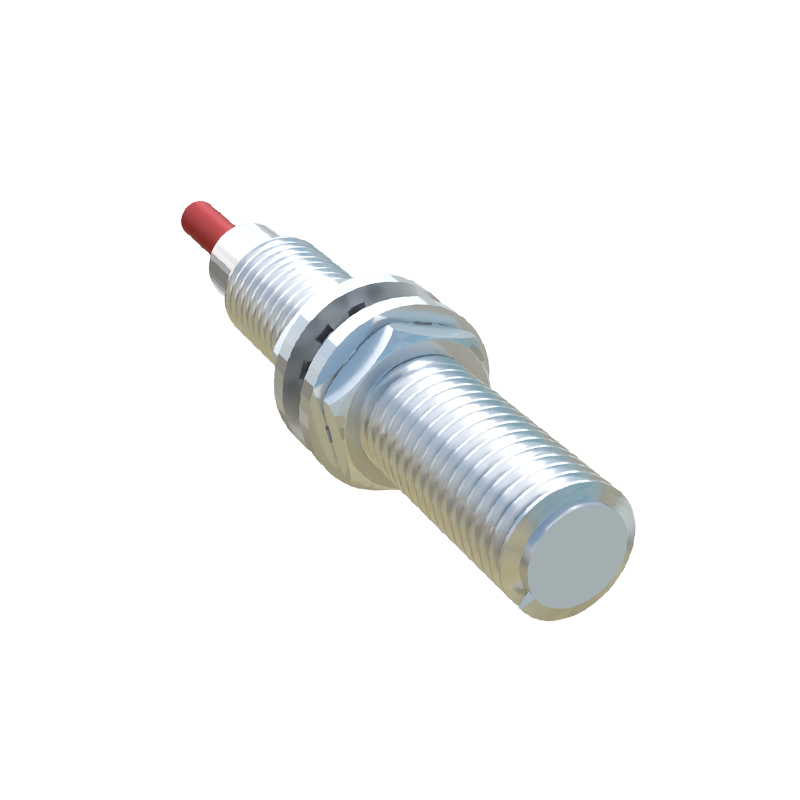
Beyond the inherent IP rating of the sensor housing, proper installation is the linchpin of a waterproof defense. The integrity of the installation point is vital. Conduit entries and cable glands must be correctly specified and torqued. For sensors installed through a panel or machine frame, high-quality sealing gaskets or O-rings provided with the sensor must be used and should be inspected regularly for compression set, cracking, or degradation. The sensor should be mounted in an orientation that minimizes water pooling on its face or cable entry point. For instance, angling a cylindrical sensor slightly downward can help shed water rather than allow it to seep into the threads.
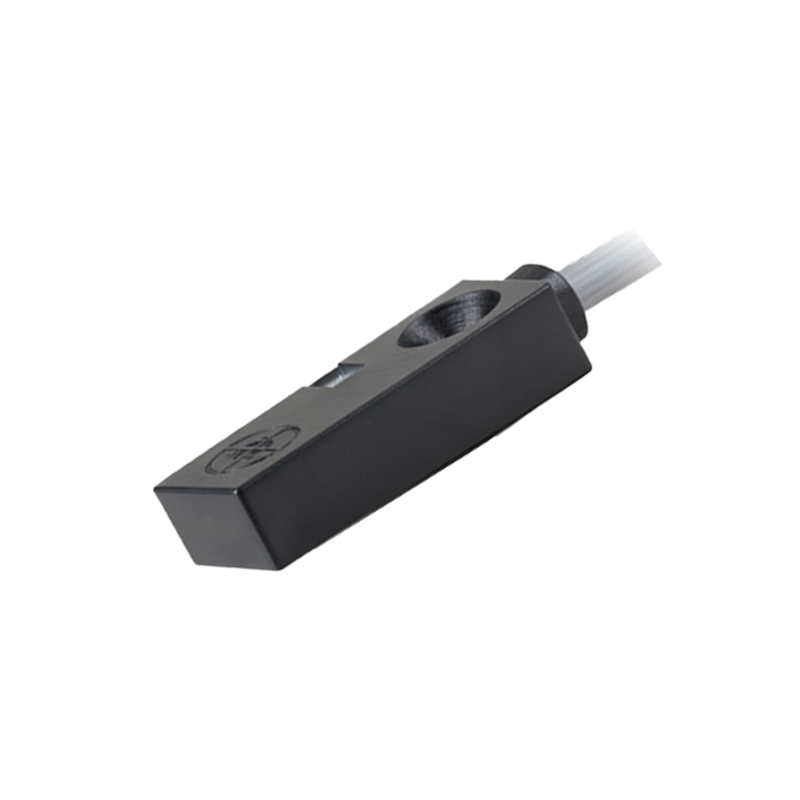
Cable management is another critical, yet often overlooked, aspect. The cable itself must have a jacket suitable for wet environments. More importantly, the point where the cable enters the sensor body is a primary vulnerability. Strain relief mechanisms should be employed to prevent cable movement from compromising the seal. In applications with constant exposure, using a sensor with an integral, molded cable (often potted internally with epoxy or silicone) can offer superior protection compared to sensors with connectorized or user-terminated cables. If connectors are used, they must be of a matching IP rating (e.g., IP67 or IP68) and meticulously connected, ensuring locking rings are fully engaged and seals are intact.
For sensors in environments subject to thermal cycling, condensation becomes a significant risk. Moisture can condense inside the sensor housing if the internal air cools below the dew point. While higher IP ratings guard against liquid ingress, they do not necessarily prevent condensation. Strategies to mitigate this include selecting sensors designed with breathable membranes or vents that allow pressure equalization while blocking liquid water, or using sensors filled with an inert gas or a potting compound that leaves no air cavity for condensation to form.
Regular maintenance and inspection form the final pillar of a robust waterproofing strategy. Even the best-rated sensors can fail if seals degrade over time due to chemical exposure, UV radiation, or physical damage. Establishing a periodic inspection routine to check for cracked housings, deteriorated cables, corroded connectors, and compromised gaskets is essential. Any signs of moisture inside a sight glass (if present) or corrosion on electrical contacts indicate immediate failure and the need for replacement.
In conclusion, waterproofing proximity sensors is a multi-faceted engineering task that extends beyond simply purchasing a high IP-rated device. It involves a holistic approach encompassing correct product selection based on IP and material compatibility (e.g., stainless steel for corrosive washdowns), meticulous attention to installation details, thoughtful cable and connector management, understanding of environmental phenomena like condensation, and committing to proactive maintenance. By systematically addressing each of these areas, engineers and maintenance personnel can significantly enhance sensor reliability, reduce unplanned stoppages, and protect their automation investments from the pervasive threat of water.