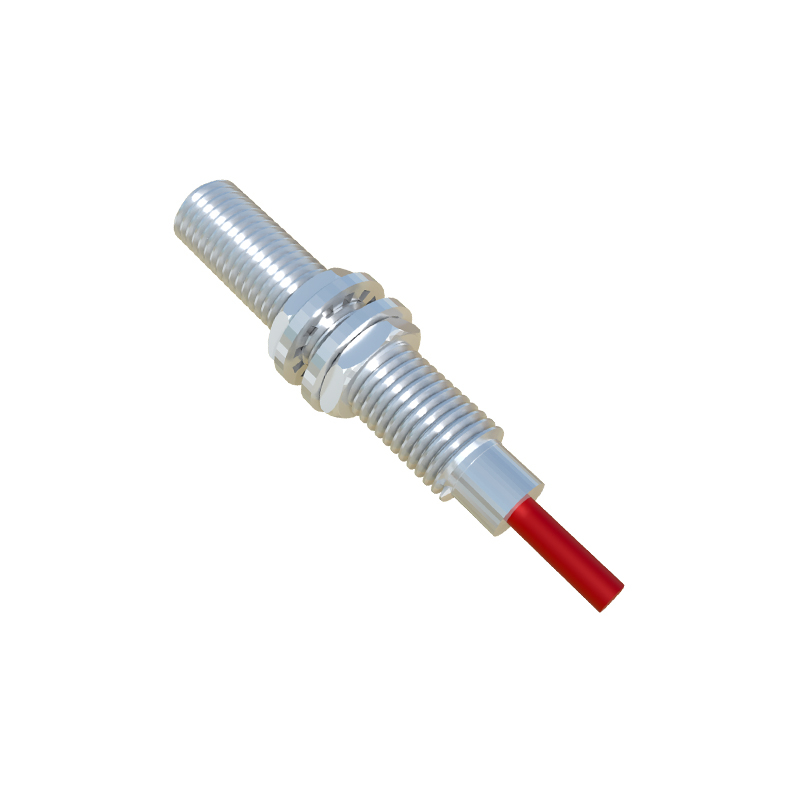
Long-range proximity sensors are indispensable components in modern industrial automation, offering reliable non-contact detection of objects at extended distances. Their pricing is influenced by a complex interplay of technological specifications, application demands, and market dynamics. Typically, these sensors utilize technologies such as ultrasonic, laser, or advanced inductive and capacitive principles to achieve detection ranges from a few meters to over several tens of meters. The cost structure is primarily dictated by the core sensing technology. Laser-based sensors, known for high precision and long range, often command a premium due to sophisticated optics and calibration requirements. Ultrasonic sensors, while generally more affordable, may vary in price based on environmental robustness and signal processing capabilities.
Key factors affecting price include sensing range, accuracy, response time, and environmental ratings like IP67 or IP69K for harsh conditions. Sensors designed for heavy-duty applications in mining, material handling, or automotive assembly lines incorporate durable housings, temperature compensation, and noise immunity, adding to manufacturing costs. Additionally, smart features such as IO-Link communication, programmable logic, and self-diagnostic functions contribute to higher price points but offer long-term value through reduced downtime and easier integration.
Market competition and economies of scale also play significant roles. Established brands with proven reliability and global support networks often price their products higher, reflecting R&D investment and quality assurance. Meanwhile, emerging manufacturers may offer competitive pricing to gain market share, though potential trade-offs in consistency or longevity should be evaluated. When selecting a sensor, engineers must balance upfront costs with total cost of ownership, considering installation, maintenance, and compatibility with existing control systems. Ultimately, investing in a appropriately specified long-range proximity sensor enhances operational efficiency and safety, justifying its place in capital expenditure planning.