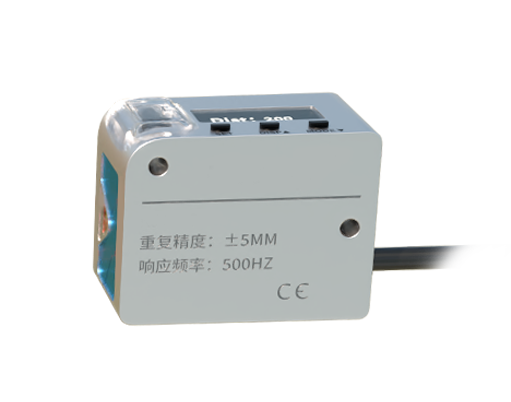
In the realm of indoor air quality monitoring and industrial safety, formaldehyde detection has long been a critical concern. Traditional methods, such as electrochemical sensors or colorimetric tubes, often face limitations in accuracy, response time, and long-term stability. Enter laser-based sensors—a technological leap that is transforming how we measure formaldehyde concentrations with unprecedented precision and reliability.
At the core of laser formaldehyde sensors lies the principle of Tunable Diode Laser Absorption Spectroscopy (TDLAS). This technique utilizes a laser beam tuned to a specific wavelength that corresponds to an absorption line of formaldehyde molecules. As the laser light passes through the air sample, formaldehyde molecules absorb a portion of the light energy. By precisely measuring the attenuation of the laser beam, the sensor can quantify formaldehyde concentration down to parts-per-billion (ppb) levels. This method is highly selective, minimizing interference from other volatile organic compounds (VOCs) commonly found in industrial or residential environments.
The advantages of laser sensors are manifold. Firstly, they offer exceptional sensitivity and accuracy. Unlike electrochemical sensors that may drift over time or be affected by humidity and temperature fluctuations, laser sensors provide stable, repeatable measurements. This is crucial for compliance with stringent air quality standards in manufacturing facilities, laboratories, and cleanrooms. Secondly, response time is remarkably fast—often within seconds—enabling real-time monitoring and immediate corrective actions in case of leaks or elevated levels. This rapid detection is vital in industries where formaldehyde is used in processes such as resin production, textile finishing, or disinfection.
Moreover, laser sensors are inherently low-maintenance. With no consumable parts or frequent calibration needs, they reduce operational downtime and costs. Their robust design allows for deployment in harsh industrial settings, resisting corrosion and electromagnetic interference. Integration with IoT platforms is seamless, facilitating continuous data logging, remote access, and predictive analytics for proactive air quality management.
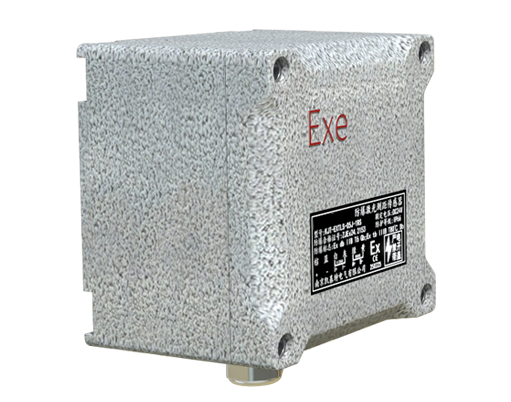
In practical applications, these sensors are deployed in various scenarios. For instance, in furniture manufacturing plants, laser sensors monitor formaldehyde emissions from composite wood products, ensuring compliance with regulations like CARB ATCM or EPA standards. In pharmaceutical cleanrooms, they safeguard against contamination during sterilization processes. Even in smart building systems, laser sensors contribute to HVAC optimization by providing precise indoor air quality data, enhancing occupant health and energy efficiency.
Despite the higher initial investment compared to conventional sensors, the total cost of ownership is often lower due to reduced maintenance and superior longevity. As laser technology advances, miniaturization and cost reductions are making these sensors more accessible for broader applications, including residential air purifiers and portable detectors.
In conclusion, laser-based formaldehyde sensors represent a paradigm shift in detection technology. By leveraging the precision of laser spectroscopy, they deliver reliable, real-time data that is indispensable for health protection, regulatory compliance, and industrial efficiency. As awareness of indoor air quality grows and regulations tighten, adopting laser sensors will become increasingly essential for any industry dealing with formaldehyde or similar hazardous gases.