In the rapidly evolving landscape of industrial automation, proximity sensors stand as critical components, enabling non-contact detection of objects and ensuring seamless, efficient operations. These devices, which include inductive, capacitive, ultrasonic, and photoelectric types, are integral to applications ranging from assembly lines and robotics to automotive manufacturing and packaging. The market for proximity sensors is highly competitive, driven by technological advancements, reliability demands, and the push for Industry 4.0 integration. This article highlights leading companies that have distinguished themselves through innovation, quality, and global reach in the proximity sensor domain.
One of the foremost names in this field is Sick AG, a German-based sensor manufacturer renowned for its precision and durability. Sick's portfolio includes a wide array of proximity sensors designed for harsh industrial environments, featuring robust housings and high immunity to interference. Their sensors are widely used in logistics, automotive, and food processing industries, where accuracy and longevity are paramount. The company invests heavily in research and development, consistently introducing smart sensors with IO-Link connectivity and diagnostic capabilities, aligning with the trend toward digitalization and predictive maintenance.
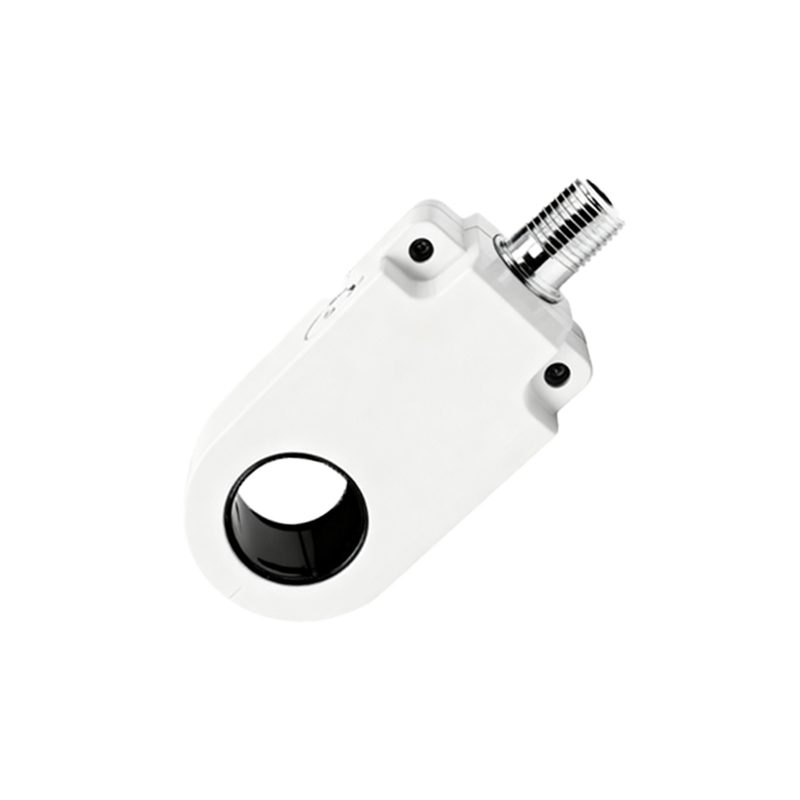
Another key player is Omron Corporation, a Japanese electronics giant with a strong foothold in factory automation. Omron's proximity sensors are celebrated for their compact design, high-speed response, and energy efficiency. The company offers innovative solutions such as the E2E series for metallic object detection and the E2K capacitive sensors for non-metallic materials. Omron's focus on miniaturization and enhanced sensing ranges has made its products a preferred choice in applications like semiconductor manufacturing and consumer electronics assembly, where space constraints and precision are critical.
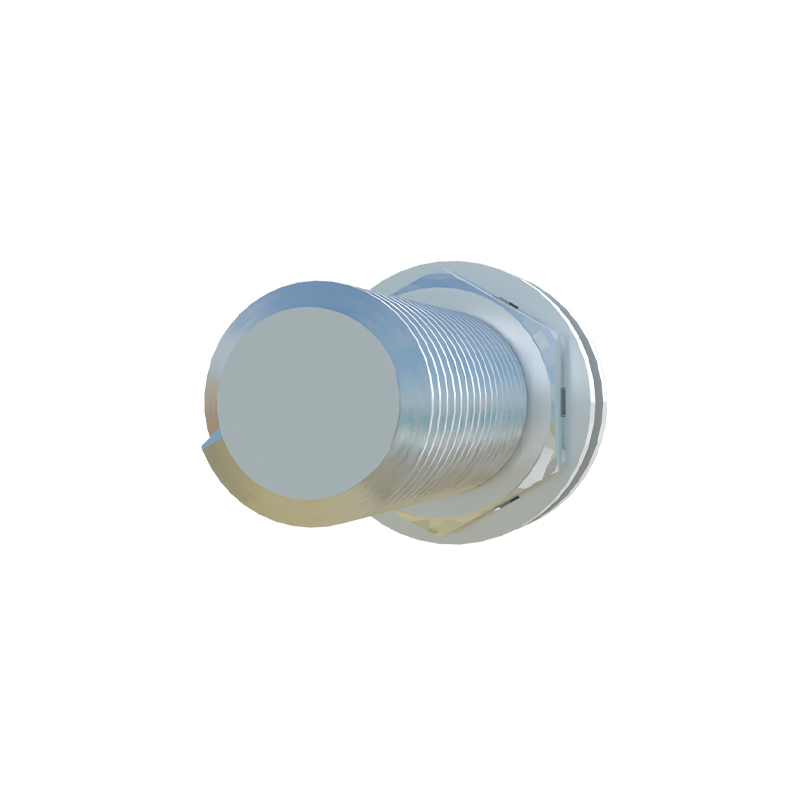
Pepperl+Fuchs, also headquartered in Germany, is a specialist in sensor technology and intrinsic safety. The company excels in producing proximity sensors for explosive atmospheres, commonly found in chemical, oil, and gas industries. Their inductive and capacitive sensors are built to meet stringent international standards, ensuring reliable performance in hazardous conditions. Pepperl+Fuchs emphasizes customization, offering sensors with specific output configurations and mounting options to suit diverse client needs. Their expertise in interface technology and signal conditioning further solidifies their reputation as a trusted provider in challenging operational settings.
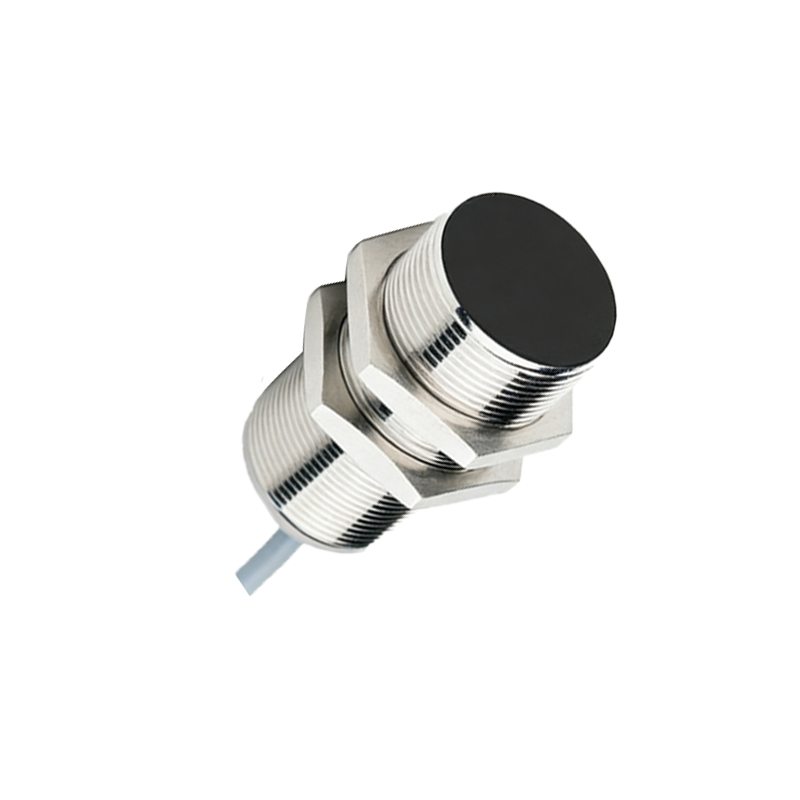
In North America, Rockwell Automation stands out with its Allen-Bradley brand of proximity sensors. These sensors are integral to the company's broader ecosystem of control systems, facilitating seamless integration with PLCs and other automation components. Rockwell's sensors are known for their ruggedness and ease of installation, catering to heavy industries such as mining, metals, and power generation. The company leverages its extensive distribution network and technical support services to deliver comprehensive solutions, emphasizing interoperability and reduced downtime through real-time monitoring features.
Balluff GmbH, another German contender, has carved a niche with its high-performance proximity sensors and innovative identification systems. Balluff's sensors are characterized by their long service life, resistance to environmental factors like dust and moisture, and advanced functionalities such as teach-in modes for flexible configuration. The company's focus on Industry 4.0 is evident in its BIS sensors, which incorporate RFID technology for data exchange and traceability. Balluff's products are widely adopted in automotive and machine tool industries, where precision and data integration are essential for automated processes.
Emerging trends are shaping the future of proximity sensor companies. The adoption of IO-Link communication allows for enhanced parameterization and diagnostics, enabling smarter factory floors. Additionally, the demand for miniaturized sensors with extended sensing ranges continues to grow, driven by applications in mobile robotics and compact machinery. Environmental sustainability is also becoming a priority, with companies developing energy-efficient sensors and eco-friendly materials.
Selecting the right proximity sensor supplier involves evaluating factors such as application requirements, environmental conditions, and compatibility with existing systems. Leading companies distinguish themselves not only through product quality but also via technical support, customization options, and global availability. As industries advance toward greater automation and connectivity, these firms are poised to play a pivotal role in shaping efficient, resilient, and intelligent manufacturing ecosystems.
In conclusion, the proximity sensor market is dominated by established players like Sick, Omron, Pepperl+Fuchs, Rockwell Automation, and Balluff, each contributing unique strengths to the industrial sector. Their ongoing innovations in sensor technology ensure that businesses can achieve higher levels of productivity, safety, and adaptability in an increasingly automated world.