In the demanding world of industrial automation, the durability of proximity switch sensors is not merely a desirable feature—it is a critical determinant of system uptime, operational safety, and total cost of ownership. These non-contact sensors, which detect the presence or absence of an object without physical touch, are the silent sentinels of modern manufacturing, packaging, and material handling systems. Their longevity is engineered through a meticulous combination of design principles, material science, and rigorous application understanding.
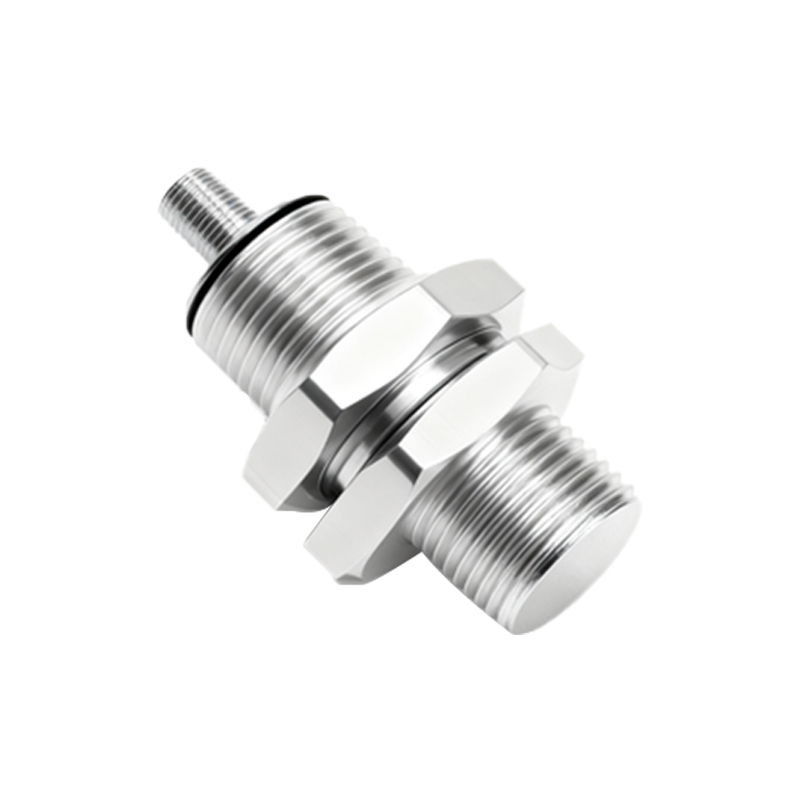
The foundation of a durable proximity sensor lies in its housing and sealing. Industrial environments are rife with contaminants: metal shavings, cutting fluids, dust, and high-pressure washdowns. To withstand these assaults, high-quality sensors are encased in robust housings typically made from stainless steel (such as 303, 304, or 316 grades) or nickel-plated brass. The ingress protection (IP) rating is paramount. A rating of IP67 signifies protection against temporary immersion, while IP68 and IP69K ratings indicate suitability for prolonged submersion and high-pressure, high-temperature jet cleaning, respectively. This sealing prevents internal components, especially the sensing face, from degradation.
Internally, the sensing technology itself influences durability. Inductive proximity sensors, designed for metal detection, utilize a coil and oscillator circuit encapsulated in resin. This potting compound protects the electronics from vibration, thermal cycling, and moisture ingress. The absence of moving mechanical parts, unlike limit switches, eliminates wear-out mechanisms such as contact arcing or spring fatigue. Similarly, capacitive and ultrasonic sensors benefit from this solid-state design philosophy. The choice of sensing face material, often a specialized polymer like PBT or PPS, is crucial for resisting chemical corrosion and physical abrasion from passing objects.
Electrical robustness is another cornerstone. Industrial power networks are notorious for voltage spikes, electromagnetic interference (EMI), and transient surges. Durable proximity switches incorporate protective circuits including reverse polarity protection, short-circuit protection, and surge suppression. These features prevent catastrophic failure from common wiring errors or electrical noise generated by nearby motors, welders, or variable frequency drives (VFDs). Furthermore, sensors with wide operating voltage ranges (e.g., 10-30V DC) provide stability despite fluctuations in the plant's power supply.
The operating environment's thermal characteristics profoundly impact sensor life. High temperatures can accelerate the aging of electronic components and seals, while extreme cold can make materials brittle. Engineers must select sensors with an appropriate ambient temperature rating, often from -25°C to +70°C for standard models, with extended ranges available. Thermal management through design ensures consistent performance and prevents internal condensation cycles that can lead to corrosion.
However, even the most robust sensor will fail prematurely if misapplied. Durability is a partnership between the sensor's inherent qualities and correct installation and use. Key considerations include:
Sensing Distance: Operating the sensor consistently at its nominal sensing range, not the maximum theoretical distance, ensures a strong, reliable signal and margin for error.
Mounting: Proper flush or non-flush mounting as specified prevents stress on the housing and ensures the correct sensing field geometry. Using the recommended torque on mounting nuts avoids damaging the housing threads.
Target Material and Size: For inductive sensors, the target's metal type and size affect the effective sensing distance. Using an undersized target forces the sensor to work at its limit.
Electrical Load: Ensuring the sensor's output is not overloaded, respecting its maximum current rating, is essential for the longevity of its output switching element (transistor or relay).
Predictive maintenance, enabled by modern IO-Link smart sensors, now plays a role in sustaining durability. These sensors can provide diagnostic data such as operating temperature, signal strength, and switch cycle counts. This information allows maintenance teams to identify trends—like a gradually decreasing signal due to sensing face contamination—and intervene before a hard failure causes downtime.
In conclusion, the durability of a proximity switch sensor is a multifaceted engineering achievement. It results from the integration of hardened mechanical construction, sealed electronics, electrical protection, and thermal resilience. By understanding these design principles and adhering to strict application guidelines, engineers and maintenance professionals can select and deploy proximity sensors that deliver millions of reliable operating cycles, safeguarding productivity and reinforcing the backbone of industrial automation systems for years to come.