In the realm of industrial automation and precision metrology, the demand for accurate, reliable, and non-contact measurement solutions is paramount. Among the various technologies available, SSD (Spot Sensor Displacement) laser displacement sensors have emerged as a cornerstone for countless applications. This article delves into the operational principles, key advantages, diverse application fields, and critical selection criteria for these sophisticated instruments.
At its core, an SSD laser displacement sensor operates on the principle of optical triangulation. The sensor emits a focused beam of laser light—typically from a Class 2 laser diode for safety—onto the target surface. The reflected or scattered light from this spot is then captured by a high-resolution receiving element, such as a Position Sensitive Detector (PSD) or a Complementary Metal-Oxide-Semiconductor (CMOS) linear image sensor. The position of the light spot on this receiver changes proportionally with the distance to the target. An internal processor calculates the displacement or distance by analyzing this positional shift with exceptional speed and accuracy. This fundamental principle allows for measurements that are immune to the target's material, color (within specified ranges), or surface texture to a significant degree, unlike contact probes that can cause deformation or wear.
The advantages of SSD laser sensors are numerous and drive their widespread adoption. First and foremost is their non-contact nature, which eliminates mechanical wear on both the sensor and the target, enabling measurements on delicate, soft, or hot surfaces. They offer remarkably high resolution, often down to the sub-micron level, and sampling rates that can exceed 100 kHz, making them ideal for dynamic processes and high-speed production lines. Their compact form factor allows for easy integration into machinery and confined spaces. Furthermore, modern SSD sensors are equipped with robust communication interfaces (e.g., Ethernet/IP, PROFINET, EtherCAT, analog voltage/current) and sophisticated onboard data processing, facilitating seamless integration into Industrial Internet of Things (IIoT) and Industry 4.0 ecosystems.
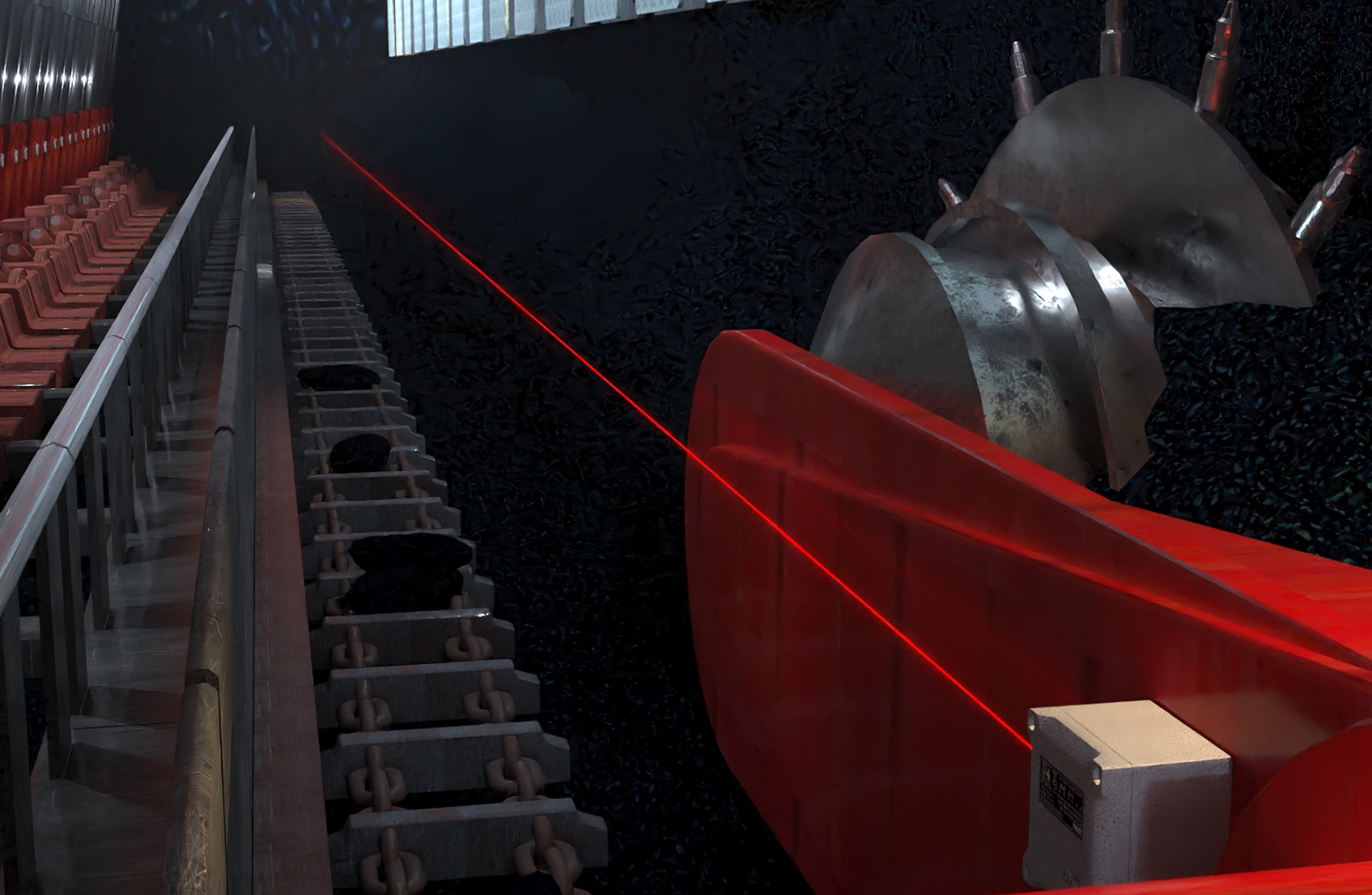
The application spectrum for SSD laser displacement sensors is vast and continuously expanding. In the automotive industry, they are indispensable for measuring component thickness, checking coplanarity of engine blocks, and inspecting brake disc runout. In electronics manufacturing, they ensure the precise height of solder paste, the coplanarity of Ball Grid Array (BGA) packages, and the flatness of semiconductor wafers. They play a critical role in controlling the thickness of rolled metals, paper, films, and coatings in continuous production processes. Robotics utilize them for precise guidance, bin picking, and weld seam tracking. Additional applications include vibration analysis, deformation monitoring, and quality control of molded plastic parts.
Selecting the appropriate SSD laser displacement sensor requires careful consideration of several technical parameters. The measurement range defines the minimum and maximum distances over which the sensor can operate accurately. The standoff distance is the optimal working distance from the sensor head to the target. Resolution indicates the smallest detectable change in distance, while linearity defines the accuracy across the entire measurement range. The spot size is crucial, as a smaller spot allows for measurements on edges or small features but may be more sensitive to surface roughness. The sampling rate must be matched to the target's speed. Environmental factors such as ambient light, temperature fluctuations, and the presence of dust or coolant must be considered, often necessitating sensors with specific protective housings (IP ratings) and specialized filters. Finally, the output interface must be compatible with the existing control system.
In conclusion, SSD laser displacement sensors represent a mature yet continually evolving technology that is essential for modern precision manufacturing and research. Their ability to deliver fast, accurate, and non-contact measurements solves complex challenges across industries. By understanding their operating principles and meticulously matching sensor specifications to the application requirements, engineers and technicians can unlock significant gains in productivity, quality control, and process optimization. As sensor technology advances with features like multi-point measurement, blue laser technology for improved performance on organic materials, and enhanced connectivity, the role of SSD laser sensors in smart factories will only become more profound.