In the rapidly evolving landscape of industrial automation, proximity sensors stand as critical components for enabling non-contact detection, ensuring efficiency, safety, and precision in countless applications. Selecting the right proximity sensor is not merely a technical decision but a strategic one that impacts operational reliability and cost-effectiveness. This comprehensive guide is designed to assist engineers, technicians, and procurement specialists in navigating the complex selection process. It provides an in-depth analysis of key parameters, technologies, and application-specific considerations essential for optimal sensor integration.
The guide begins by outlining the fundamental operating principles of major proximity sensor types, including inductive, capacitive, ultrasonic, and photoelectric sensors. Each technology has distinct advantages and limitations. Inductive sensors, for instance, are ideal for detecting metallic objects without physical contact, making them perfect for harsh manufacturing environments. Capacitive sensors can detect both metallic and non-metallic materials, such as liquids, plastics, or glass, offering greater versatility. Understanding these core differences is the first step toward a correct selection.
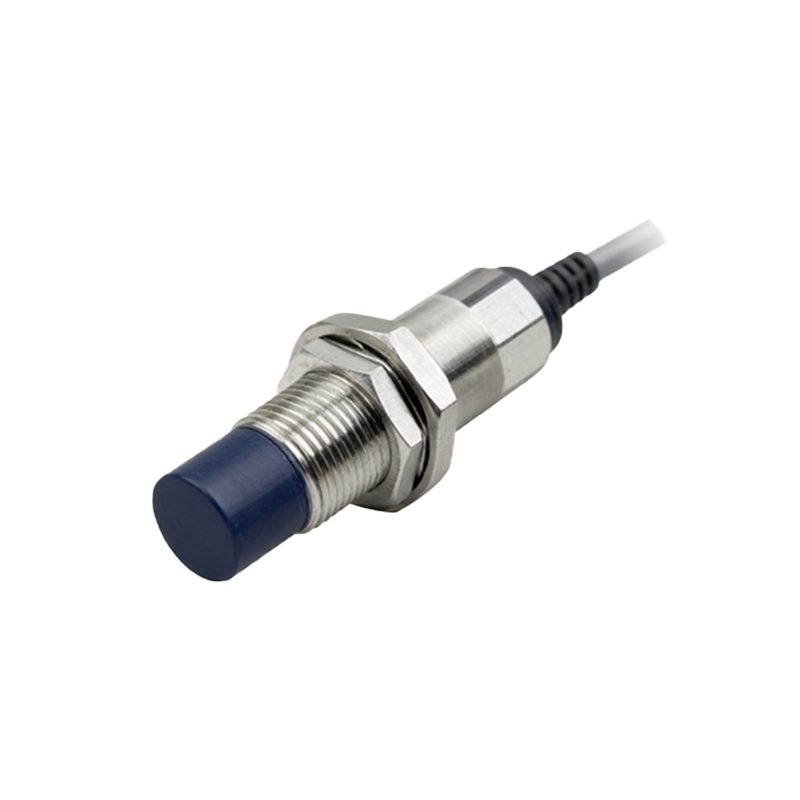
A significant portion of the manual is dedicated to critical selection criteria. Key factors such as sensing distance, response frequency, output type (e.g., NPN/PNP, analog, IO-Link), housing material, and environmental ratings (IP, NEMA) are examined in detail. The guide explains how factors like target material, size, shape, and ambient conditions (temperature, humidity, presence of contaminants) directly influence sensor performance and longevity. Practical tables and comparison charts help users quickly identify sensors that match their specific operational requirements.
Furthermore, the selection guide addresses installation and wiring considerations, highlighting common pitfalls to avoid during integration. Proper mounting, alignment, and electrical connection are crucial for achieving stated specifications and preventing premature failure. The document also explores emerging trends, such as the integration of smart sensors with Industrial Internet of Things (IIoT) platforms, which enable predictive maintenance and enhanced data analytics.
To support real-world application, the guide includes a series of detailed case studies across various industries, including automotive assembly, packaging, material handling, and food & beverage. These examples demonstrate how a methodical selection process resolves challenges related to high-speed detection, extreme temperatures, or washdown conditions.
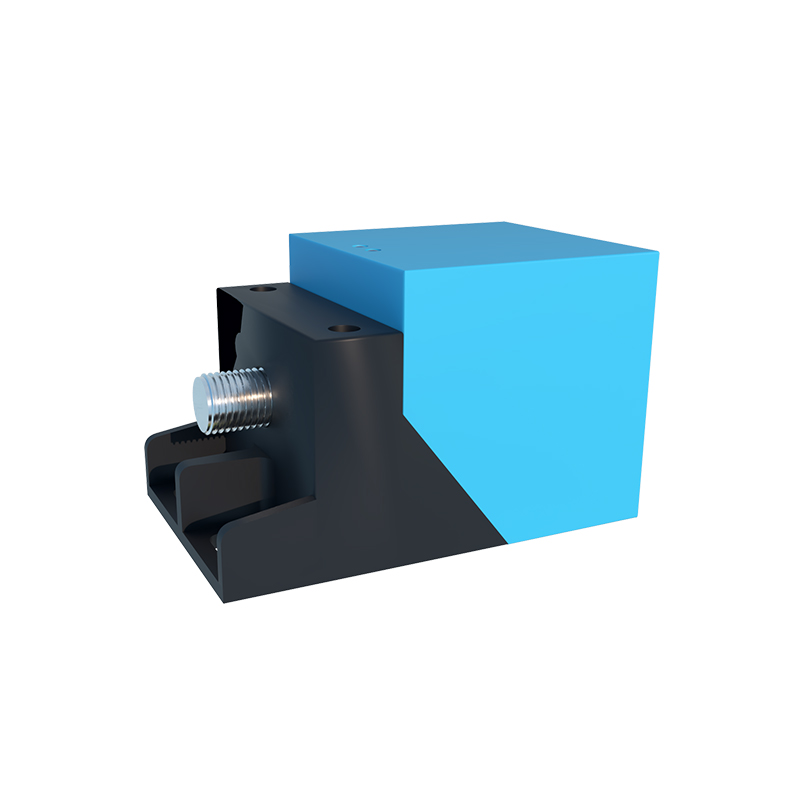
Finally, the guide provides a structured checklist for the selection process and directs users to additional resources, including technical datasheets, configuration software, and access to expert support. By downloading this Proximity Sensor Selection Guide, professionals gain a valuable reference tool that streamlines decision-making, reduces downtime, and optimizes system performance. Ensure your next automation project is built on a foundation of informed component selection.