Proximity sensors are indispensable components in modern industrial automation, offering non-contact detection of objects within their sensing range. Their reliability and precision make them suitable for diverse environments, but selecting the appropriate sensor type for specific conditions is crucial for optimal performance. This article explores the typical application environments for proximity sensors and key environmental factors that influence their operation.
One of the primary applications of proximity sensors is in manufacturing assembly lines. Here, they are frequently used for object detection, positioning, and counting. Inductive proximity sensors excel in detecting metallic objects and are commonly employed in metal machining, robotic arms, and conveyor systems. Their robust construction allows them to withstand environments with metallic dust, oil mist, and coolants. However, they are generally unsuitable for detecting non-metallic materials. For such applications, capacitive proximity sensors are preferred, as they can detect a wider range of materials, including plastics, liquids, and wood. These sensors are often found in packaging, food processing, and pharmaceutical industries.
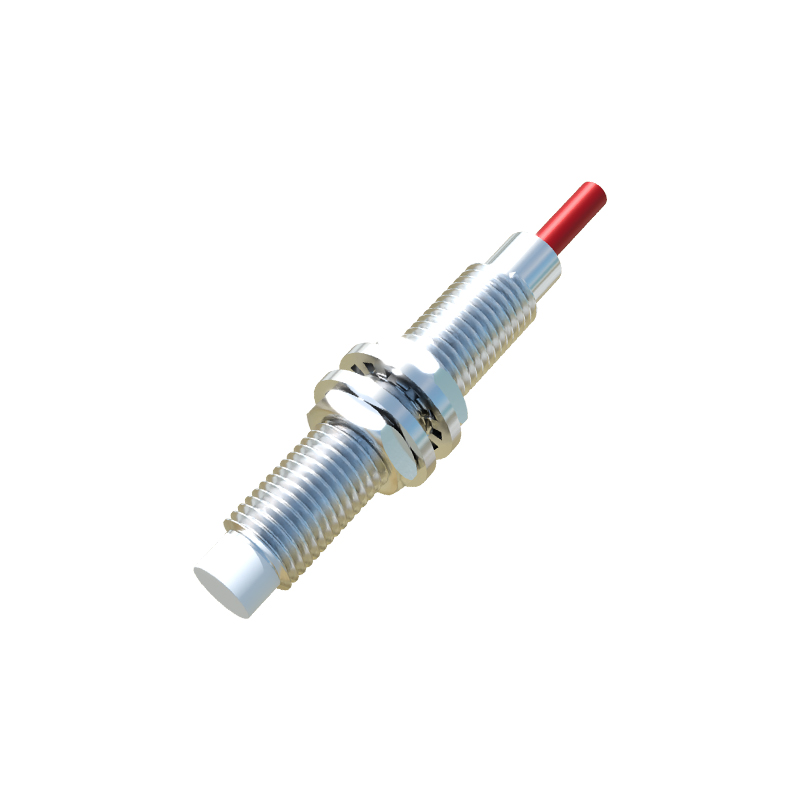
Harsh industrial environments pose significant challenges. Sensors installed in areas with excessive dust, moisture, or chemical exposure require specific ingress protection (IP) ratings. For instance, sensors with IP67 or IP68 ratings are essential for washdown areas in food and beverage plants or outdoor applications where they may be exposed to rain. High-pressure cleaning and temperature fluctuations also demand sensors with robust housings, typically made of stainless steel or nickel-plated brass, to resist corrosion and mechanical stress.
Temperature extremes are another critical consideration. Standard proximity sensors usually operate effectively within a range of -25°C to 70°C. In foundries, steel mills, or cold storage facilities, extreme temperatures can affect sensor performance and longevity. Specialized high-temperature sensors, capable of withstanding up to 150°C or more, are necessary for near furnaces or welding stations. Conversely, low-temperature variants are designed for freezer applications.
Electrical noise and interference in environments with heavy machinery, variable frequency drives (VFDs), or welding equipment can cause false triggering or signal instability. Shielded sensors and proper grounding practices are vital in such settings. Additionally, selecting sensors with DC versions and built-in surge protection can enhance reliability in electrically noisy conditions.
In automated guided vehicles (AGVs) and mobile robotics, proximity sensors provide collision avoidance and navigation assistance. These environments require sensors with fast response times, compact sizes, and resistance to vibration. Ultrasonic and photoelectric sensors are also popular choices here, depending on the detection requirements and environmental constraints like ambient light or acoustic noise.
Finally, safety-critical applications, such as in machinery guarding or elevator doors, demand fail-safe operation and high integrity. Safety-rated proximity sensors, designed to meet standards like ISO 13849, are used to ensure that any fault is detected, and the system moves to a safe state.
Understanding the operational environment is paramount. Factors such as target material, required sensing distance, environmental contaminants, temperature, electrical conditions, and necessary certifications should guide the selection process. Proper installation, regular maintenance, and adherence to manufacturer guidelines further ensure long-term reliability and accuracy, minimizing downtime and enhancing overall system efficiency.