In the rapidly evolving landscape of industrial automation and smart systems, proximity sensors stand as critical components for enabling precise, non-contact detection and distance measurement. A proximity sensor manufacturing plant is more than just a production facility; it is a hub of advanced engineering, rigorous quality control, and continuous innovation dedicated to creating the eyes of modern machinery. This article delves into the core aspects of such a manufacturing operation, exploring the technology, processes, and standards that define industry leaders.
The production journey begins with the selection of core sensing technologies. Leading manufacturers typically specialize in or offer a range of technologies, including inductive, capacitive, ultrasonic, and photoelectric (laser and infrared) sensors. Each type serves distinct applications. Inductive sensors, for instance, are paramount for detecting metallic objects in harsh industrial environments, while capacitive sensors can detect both metallic and non-metallic materials. Ultrasonic sensors excel in measuring distance to solid and liquid surfaces, and photoelectric sensors offer high precision for various materials over longer ranges. The manufacturing process is tailored to the specific technology, involving the precise assembly of oscillators, coils, transducers, or laser diodes alongside sophisticated signal processing circuitry.
The heart of a high-quality proximity sensor lies in its electronic assembly and calibration. State-of-the-art Surface Mount Technology (SMT) lines populate printed circuit boards (PCBs) with micro-components. Automated optical inspection (AOI) systems ensure soldering perfection. Following assembly, each sensor undergoes a critical calibration phase. This process involves programming and testing the sensor's response curve, switching points, hysteresis, and temperature compensation algorithms. Calibration is performed in controlled environments using precision gauges and reference targets to guarantee that the output signal—whether analog (4-20mA, 0-10V) or digital (PNP/NPN)—accurately represents the measured distance.
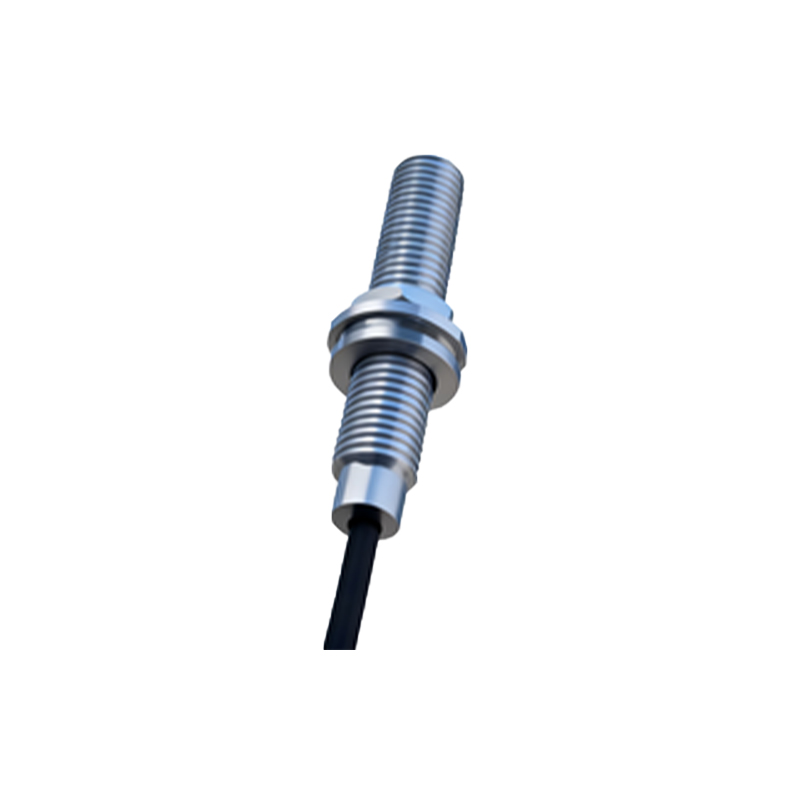
Housing and encapsulation are equally vital. Sensors designed for factory floors must withstand extreme conditions: IP67, IP68, and IP69K ratings for resistance against dust, water jets, and high-pressure cleaning; resistance to oils, coolants, and chemicals; and robust mechanical strength to endure vibration and shock. Manufacturing plants utilize high-grade materials like stainless steel (V2A, V4A), nickel-plated brass, or engineering plastics like PBT. Potting compounds are often used to seal internal electronics from moisture and mechanical stress, ensuring long-term reliability.
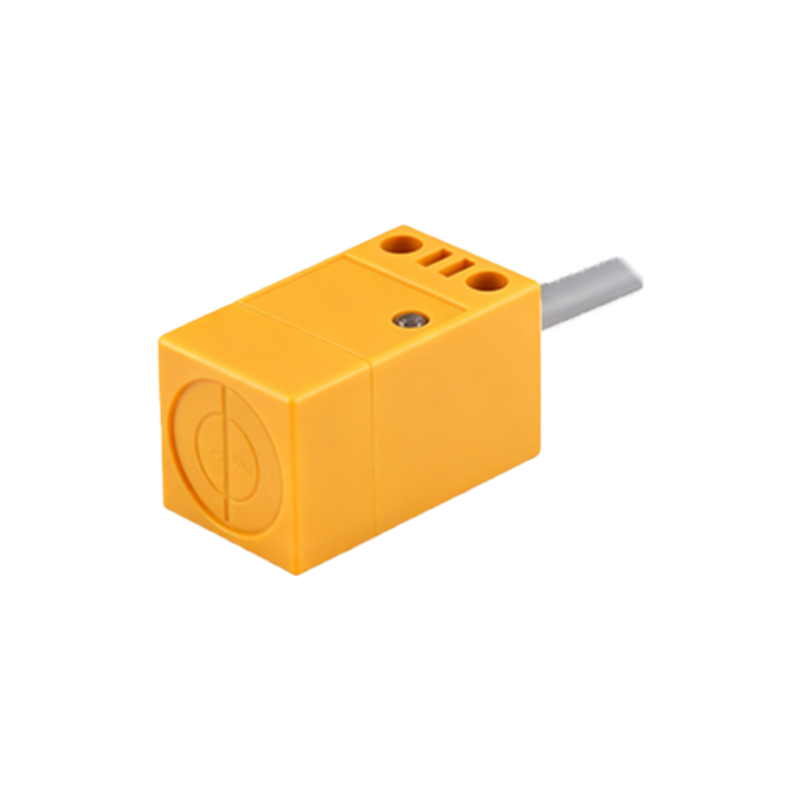
No manufacturing process is complete without exhaustive testing. A reputable plant operates a comprehensive quality assurance (QA) regimen. This includes 100% functional testing, where each sensor is checked for its sensing range, repeatability, and output signal accuracy. Environmental stress testing batches of sensors in thermal chambers, humidity chambers, and vibration tables to simulate years of operation within hours. This commitment to testing minimizes failure rates and ensures compliance with international standards such as IEC 60947-5-2, UL, and CE.
Beyond hardware, modern proximity sensor manufacturing is deeply integrated with Industry 4.0 principles. Smart factories employ Manufacturing Execution Systems (MES) to track every unit from component sourcing to final shipment. Many sensors now come with IO-Link capability, a point-to-point serial communication protocol that allows for parameter setting, real-time monitoring, and advanced diagnostics directly from the control system. Manufacturing these "smart sensors" requires additional stages for communication module integration and software flashing.
The role of a proximity sensor manufacturer extends past the factory gate. It involves providing extensive technical support, detailed datasheets with comprehensive characteristic curves, 2D/3D CAD models for easy integration, and application engineering to solve specific customer challenges. Whether for object detection on a conveyor belt, precise positioning in robotics, fill level control in tanks, or safety applications, the right sensor is a product of both meticulous manufacturing and deep application knowledge.
In conclusion, a leading proximity sensor production plant represents a synergy of precision engineering, material science, and digital innovation. It transforms raw materials into reliable, intelligent components that form the sensory foundation for automation, enhancing efficiency, safety, and productivity across countless industries from automotive and packaging to food & beverage and logistics. The relentless pursuit of accuracy, durability, and innovation within these facilities directly powers the advancement of automated systems worldwide.