Light curtain proximity sensors represent a significant advancement in industrial safety and automation technology. These devices, often referred to as safety light curtains or optical guards, consist of arrays of photoelectric transmitters and receivers that create an invisible curtain of infrared light beams. When an object or person interrupts one or more beams, the sensor sends a signal to halt hazardous machinery, thereby preventing accidents. The core principle hinges on the precise detection of intrusions within a defined protection field, offering a non-contact, highly responsive safety solution.
The superiority of light curtain sensors over traditional mechanical guards or single-beam systems is multifaceted. Firstly, they provide enhanced flexibility. Unlike fixed physical barriers, the sensing field can be easily adjusted in height, resolution (beam spacing), and range to suit diverse applications, from small robotic cells to large press brakes. This adaptability reduces the need for custom mechanical solutions and simplifies integration into existing production lines. Secondly, their response time is exceptionally fast, typically in milliseconds. This speed is critical for safeguarding operators around high-speed machinery like stamping presses or automated assembly robots, where even a momentary delay could result in severe injury.
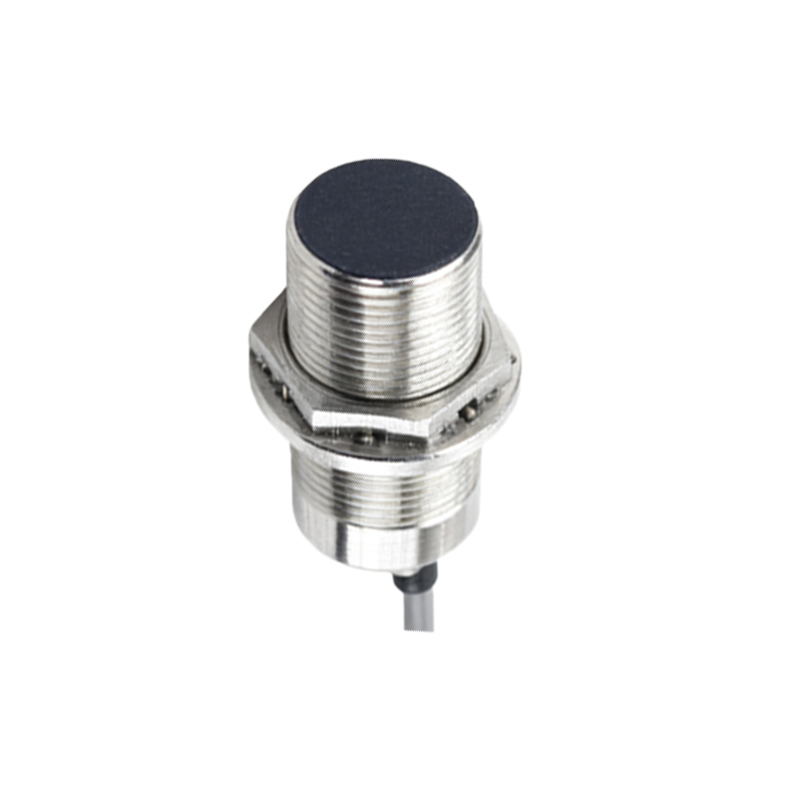
From a performance standpoint, modern light curtain sensors boast impressive characteristics. They are designed to operate reliably in harsh industrial environments, with robust housings that resist dust, moisture, vibrations, and electromagnetic interference. Advanced models feature muting and blanking functions, allowing temporary, controlled suspension of the safety field for non-hazardous operations like material passage without compromising overall safety protocols. Furthermore, diagnostics and monitoring capabilities are integral; many units offer status indicators and communication interfaces (e.g., OSSD outputs, Ethernet/IP, PROFINET) for seamless connection to PLCs and safety networks, facilitating predictive maintenance and system diagnostics.
The applications of these sensors span numerous sectors. In the automotive industry, they are indispensable for safeguarding robotic welding and painting stations. In packaging and material handling, they protect workers near conveyor belts and palletizers. Perhaps most notably, on power press brakes and metal forming machinery, light curtains are the preferred safeguarding method, allowing operators to work close to the point of operation while ensuring immediate machine stoppage if hands or fingers enter the danger zone. This not only enhances safety but can also improve productivity by enabling faster, more ergonomic workflows compared to older, more restrictive guarding methods.
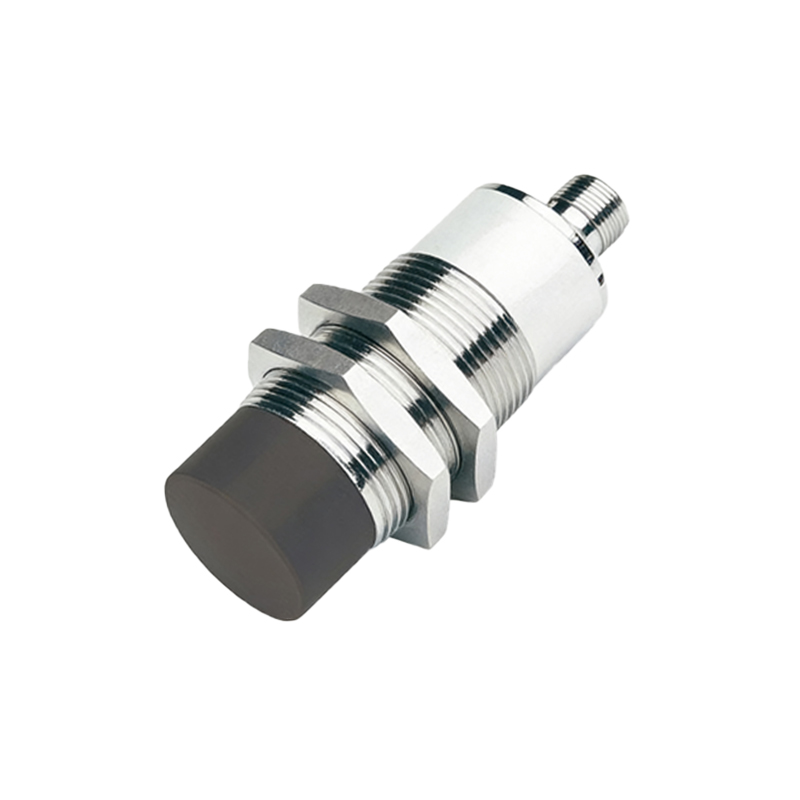
Compliance with international safety standards, such as ISO 13849-1 (Performance Level) and IEC 61496 (Type 4 for robust resistance to faults and environmental conditions), is a fundamental aspect. Selecting the correct sensor involves evaluating the required safety performance level (PL) or category, the resolution (finger, hand, or body detection), and the environmental conditions. Proper installation, alignment, and regular testing are paramount to ensure continuous, reliable protection.
In conclusion, light curtain proximity sensors are a cornerstone of modern industrial safety and efficiency. Their non-contact nature, high flexibility, rapid response, and integration capabilities make them a superior choice for protecting personnel and optimizing automated processes. As Industry 4.0 evolves, these sensors will continue to integrate with smarter control systems, further enhancing workplace safety and operational intelligence. Investing in high-quality light curtain systems is not merely a regulatory compliance issue but a strategic commitment to safeguarding human capital and ensuring uninterrupted, productive manufacturing operations.