In the rapidly evolving landscape of industrial automation and smart systems, the demand for reliable detection over extended distances has propelled the development and adoption of ultra-long range proximity sensors. These advanced devices are engineered to detect the presence, absence, or position of objects without physical contact, functioning effectively at distances significantly beyond those of standard proximity sensors. Typically, standard sensors operate within a range of a few millimeters to several centimeters, whereas ultra-long range variants can reliably detect objects from several meters up to tens or even hundreds of meters away, depending on the technology employed. This capability is crucial in applications where safety, efficiency, and precision are paramount, such as in large-scale manufacturing, logistics, automotive, and security systems.
The core principle behind these sensors involves emitting a signal—be it electromagnetic, optical, or acoustic—and analyzing the reflected signal to determine object characteristics like distance, speed, or size. The extended range is achieved through sophisticated signal processing, high-power emitters, and sensitive receivers that can discern faint echoes from distant targets. Several key technologies dominate the ultra-long range proximity sensor market, each with distinct advantages and ideal use cases.
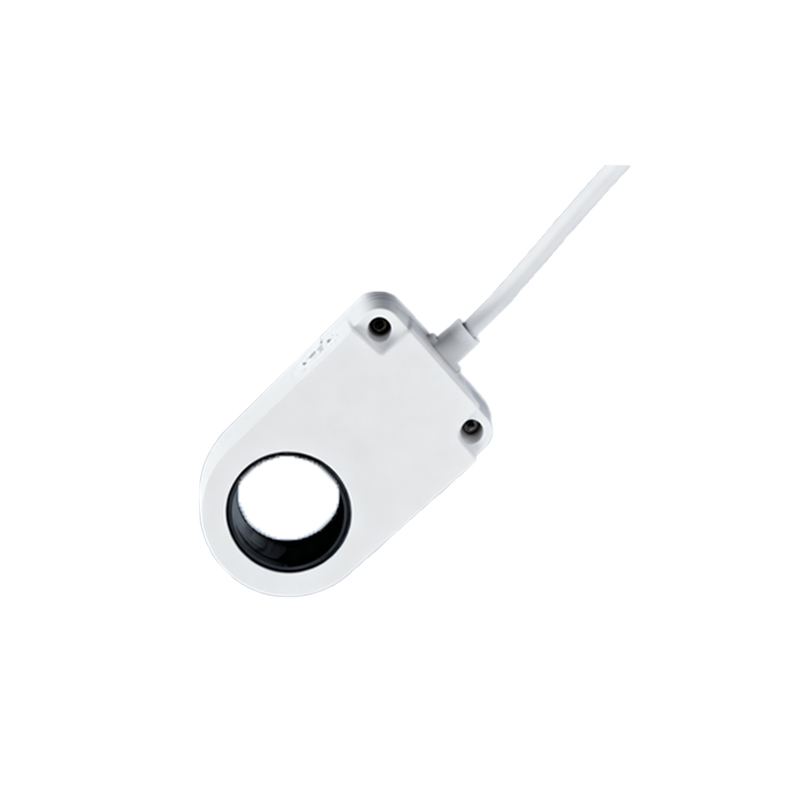
First, LiDAR (Light Detection and Ranging) Sensors utilize pulsed laser light to measure distances to objects. They are renowned for their exceptional accuracy and long-range capabilities, often exceeding 100 meters in clear conditions. LiDAR sensors generate high-resolution 3D maps of environments, making them indispensable in autonomous vehicles, robotics, and topographic surveying. Their ability to detect fine details at long ranges is unparalleled, though they can be sensitive to adverse weather conditions like heavy fog or rain.
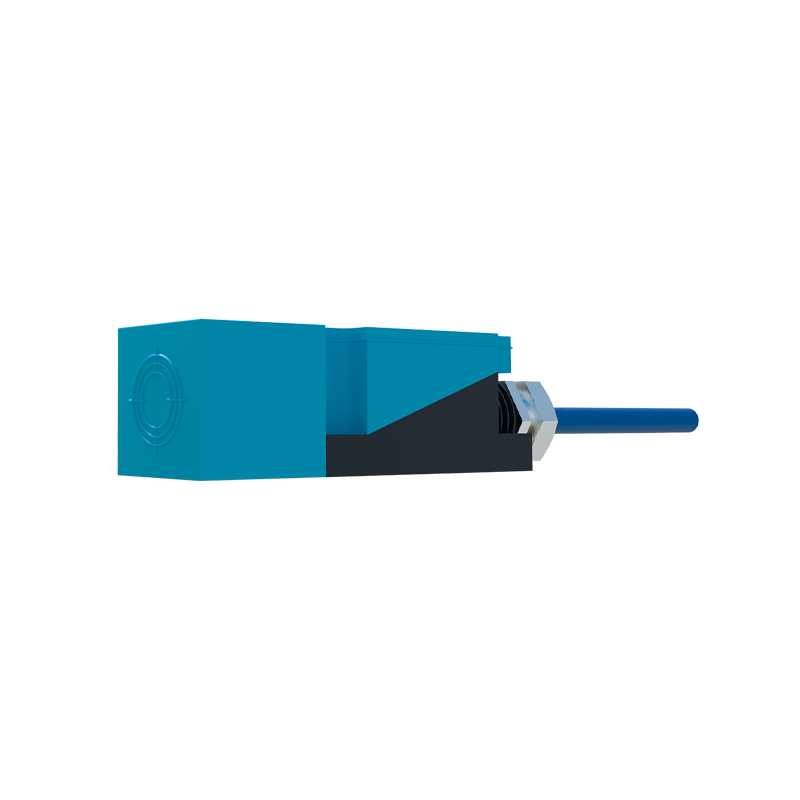
Second, Ultrasonic Sensors employ sound waves at frequencies above the human hearing threshold. These sensors are valued for their robustness and ability to detect objects regardless of color, transparency, or material, as long as the surface can reflect sound. Ultra-long range ultrasonic sensors can measure distances up to 10-15 meters, making them suitable for level monitoring in large tanks, collision avoidance in cranes or AGVs (Automated Guided Vehicles), and presence detection in parking facilities. They are generally cost-effective and perform well in dusty or humid environments where optical sensors might struggle.
Third, Radar (Radio Detection and Ranging) Sensors use radio waves to detect objects and their velocities via the Doppler effect. Modern millimeter-wave radar sensors offer impressive long-range detection, often spanning from 30 to over 200 meters, with strong penetration through non-metallic materials, fog, and dust. This makes them ideal for traffic monitoring, perimeter security, aviation, and industrial automation where reliability in harsh conditions is essential. Radar sensors are particularly effective for measuring speed and are less affected by environmental obstructions compared to optical systems.
Fourth, Laser Time-of-Flight (ToF) Sensors measure the time taken for a laser pulse to travel to an object and back, calculating distance based on the speed of light. These sensors provide precise, long-range measurements typically up to several hundred meters, with high update rates. They are commonly used in industrial automation for positioning and control, in logistics for volume measurement, and in building automation for occupancy detection. Laser ToF sensors offer a good balance of range, accuracy, and speed, though like LiDAR, they can be influenced by highly reflective surfaces or direct sunlight.
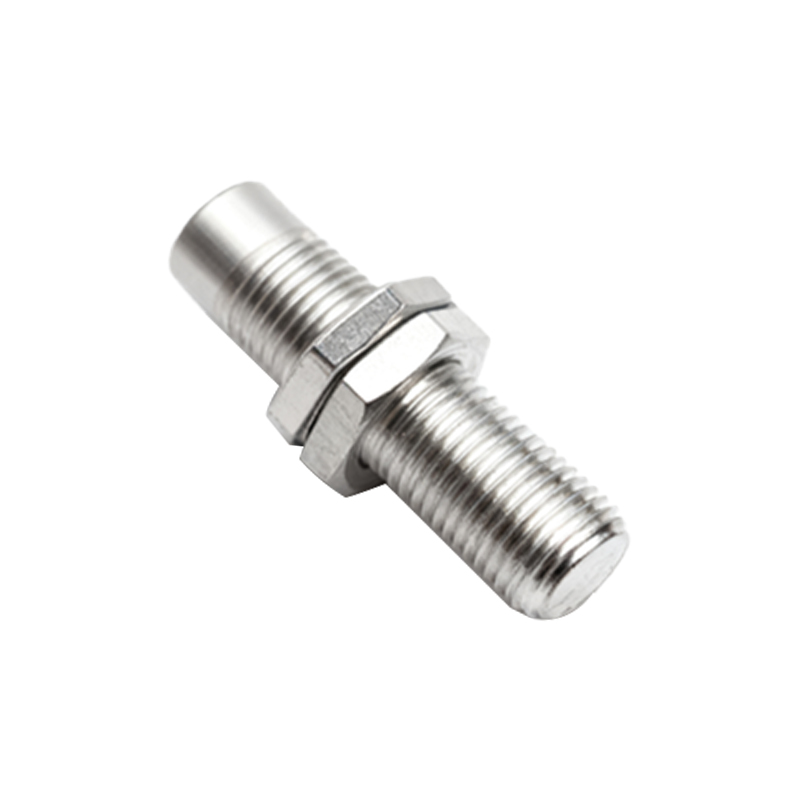
Fifth, Infrared (IR) Sensors with modulated or pulsed IR light can achieve longer ranges than standard passive IR motion detectors. Advanced active IR sensors can detect objects at distances of 10-50 meters by emitting an infrared beam and analyzing its reflection. They are often employed in security systems for intrusion detection, in industrial counting applications, and in touchless interfaces. While generally more affordable than LiDAR or radar, their range can be limited by ambient light interference and the reflectivity of the target material.
The selection of an ultra-long range proximity sensor depends heavily on the specific application requirements, including the needed detection distance, environmental conditions (e.g., temperature, humidity, dust, light), target material properties, required accuracy and response time, and budget constraints. For instance, in an outdoor autonomous mining vehicle, a combination of LiDAR for detailed mapping and radar for all-weather obstacle detection might be used. In a warehouse, ultrasonic sensors could monitor pallet heights on high racks, while laser ToF sensors manage automated storage and retrieval systems.
Installation and calibration are critical to maximizing performance. Proper alignment, minimizing vibration, and avoiding interference from other electromagnetic sources are essential steps. Regular maintenance, such as lens cleaning for optical sensors, ensures consistent accuracy over time.
Looking ahead, trends in ultra-long range sensing include the integration of multiple sensor types (sensor fusion) for enhanced reliability, the miniaturization of components, and the incorporation of AI algorithms for smarter object classification and predictive analytics. These advancements promise to further expand their roles in emerging fields