In the realm of industrial automation, precision and reliability are paramount. Among the myriad of sensing technologies available, the normally open (NO) laser sensor stands out for its accuracy, speed, and versatility. This article delves into the operational principles, key applications, and selection criteria for normally open laser sensors, providing a comprehensive guide for engineers and system integrators.
A normally open laser sensor operates on a straightforward principle: its output circuit remains open (non-conducting) when no target is detected within its sensing range. Upon detecting an object that reflects or interrupts its laser beam, the sensor's output circuit closes, sending a signal to a control system such as a PLC (Programmable Logic Controller). This "open-to-close" switching action defines its "normally open" status. The core component is a laser diode that emits a highly focused, coherent beam of light, typically in the visible red or infrared spectrum. A photoelectric receiver, often a phototransistor or photodiode, detects changes in the received light intensity. Advanced models incorporate background suppression or triangulation methods to precisely gauge distance and ignore irrelevant background objects, ensuring detection is only triggered at a preset, precise range.

The advantages of using normally open laser sensors are significant. Their high precision, often with sub-millimeter resolution, makes them ideal for applications requiring exact positioning or dimensional verification. The focused laser beam minimizes interference from ambient light and adjacent objects, enhancing reliability in complex environments. Furthermore, their fast response time, frequently in the microsecond range, allows for high-speed counting, sorting, and inspection on fast-moving production lines. Compared to mechanical limit switches, they offer non-contact operation, eliminating wear and tear and ensuring a longer operational lifespan.
Typical industrial applications are diverse. In packaging machinery, NO laser sensors are used to detect the presence of labels, confirm case sealing, or count products on conveyor belts. In automotive assembly, they verify the correct placement of components like pistons or gears. Within electronics manufacturing, they ensure precise PCB positioning before soldering or component placement. Material handling systems employ them for edge detection on webs of material or to control the fill level in silos and bins. Their ability to detect small, shiny, or dark objects—which can challenge standard photoelectric sensors—makes them particularly valuable.
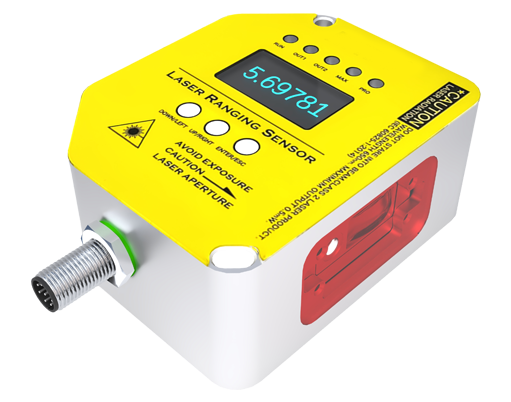
When selecting a normally open laser sensor for a specific application, several critical parameters must be considered. The sensing range, or the maximum distance at which the sensor can reliably detect a standard target, is fundamental. The size of the detectable object and the required spot size of the laser beam are also crucial; a smaller spot allows for detecting finer details. Environmental factors such as temperature extremes, dust, moisture, or vibration necessitate choosing a sensor with an appropriate Ingress Protection (IP) rating and robust housing. The output type (e.g., PNP/NPN transistor, analog, or IO-Link) must be compatible with the host control system. Finally, features like adjustable sensitivity, teach-in functionality for easy setup, and built-in diagnostics can greatly simplify integration and maintenance.
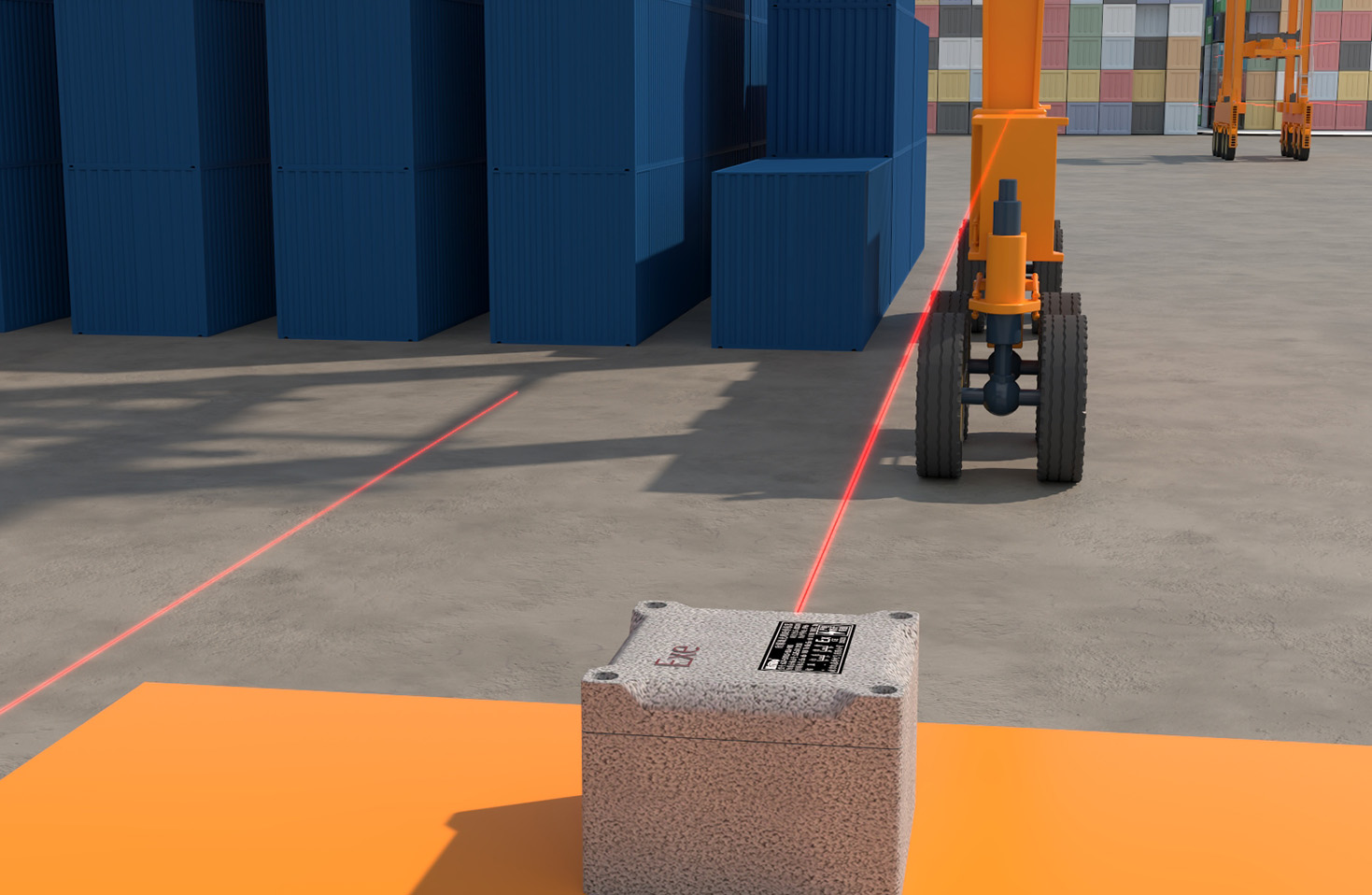
Installation and alignment require careful attention. The sensor must be securely mounted to prevent misalignment due to vibration. The laser beam should be aimed precisely at the target area, often aided by the visible laser spot. It is vital to ensure the target object consistently reflects enough light back to the receiver; for low-reflectivity surfaces, a retro-reflective mode with a separate reflector might be necessary, though this discussion focuses on the standard diffuse (proximity) mode common for NO types. Regular maintenance involves cleaning the lens to prevent dust accumulation from attenuating the beam and periodically verifying the sensing performance to prevent downtime.
In conclusion, the normally open laser sensor is a sophisticated yet robust tool that solves complex detection challenges in modern industry. By converting the precise interruption of a laser beam into a clear electrical signal, it provides the reliable data that automated systems depend on. Understanding its operating mode, benefits, and proper implementation guidelines enables engineers to harness its full potential, thereby enhancing system efficiency, productivity, and quality control across countless automated processes. As technology advances, these sensors continue to evolve, offering even greater precision and smarter features for the factories of the future.