In the realm of industrial automation, the inductive proximity sensor stands as a fundamental component, enabling non-contact detection of metallic objects with remarkable reliability. The manufacturing of these sensors is a sophisticated process that blends precision engineering with stringent quality control. This article explores the intricate production journey within a state-of-the-art inductive proximity sensor factory, highlighting the critical stages that ensure peak performance and durability in demanding industrial environments.
The production lifecycle begins with the core component: the ferrite core and coil assembly. Specialized winding machines, operating in controlled environments to minimize dust contamination, meticulously wind copper wire onto the ferrite core to create the oscillator coil. The precision in the number of turns and winding tension is paramount, as it directly influences the sensor's electromagnetic field characteristics and its nominal sensing distance. Following winding, the coil undergoes a potting process where it is encapsulated in a resilient epoxy resin. This crucial step protects the delicate windings from moisture, chemicals, and mechanical vibration, forming the robust sensing head.
Simultaneously, the electronic circuitry is fabricated. Modern inductive sensors utilize application-specific integrated circuits (ASICs) designed for stability and low power consumption. Surface-mount technology (SMT) lines populate printed circuit boards (PCBs) with these microchips, resistors, and capacitors at high speed and with micron-level accuracy. Automated optical inspection (AOI) systems immediately scan each board for soldering defects or component misplacement, ensuring flawless electrical foundations. The oscillator circuit, responsible for generating the high-frequency electromagnetic field, is tuned with extreme precision. This tuning determines the sensor's switching frequency and its immunity to external electromagnetic interference.
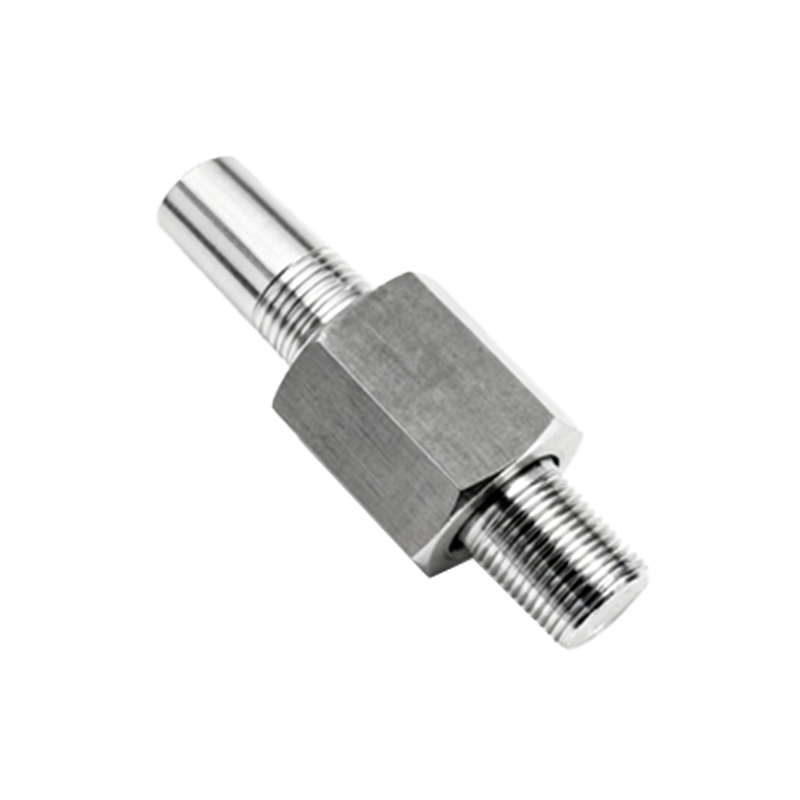
The assembly phase is where the sensing head marries the electronics. In automated assembly cells, the potted coil is precisely aligned and connected to the oscillator circuit on the PCB. The entire assembly is then housed within its casing, typically constructed from nickel-plated brass, stainless steel, or high-grade PBT plastic, chosen based on the required ingress protection (IP) rating and environmental resistance. For cylindrical sensors, this involves a meticulous process of inserting the assembly into the housing and sealing it with laser-welded end caps or specialized O-rings and potting compounds to achieve ratings like IP67 or IP69K. The integration of the indicator LED and cable or connector output completes the physical build.
However, assembly is merely a prelude to the most critical phase: calibration and testing. Every single sensor undergoes a battery of automated tests. Key parameters verified include:
Switching Point Accuracy: The sensor is tested against certified metal targets (e.g., mild steel) to ensure the actual sensing distance falls within the tight tolerance of its nominal range (e.g., Sn ±10%).
Hysteresis: The difference between the switch-on and switch-off points is measured to guarantee stable switching behavior without chattering.
Temperature Drift: Sensors are cycled through temperature chambers to ensure performance remains stable across their specified operational range, often from -25°C to +70°C.
Short-Circuit and Reverse Polarity Protection: The electronics are rigorously tested for robustness against wiring errors.
EMC Compliance: Batch testing is performed in shielded chambers to verify conformity to electromagnetic compatibility standards like IEC 60947-5-2, ensuring the sensor neither emits disruptive interference nor is susceptible to it.
Advanced factories employ traceability systems, often laser-marking a unique QR code on each sensor. This code logs every production step, test result, and material batch, enabling full lifecycle tracking and swift resolution of any field queries.
The final stage involves packaging and logistics. Sensors are packaged according to customer requirements, from individual boxes to bulk industrial packaging, with documentation including data sheets and certificates of conformity. The factory's supply chain and warehouse management systems ensure just-in-time delivery to global distributors and OEMs.
In conclusion, manufacturing inductive proximity sensors is a testament to precision engineering and uncompromising quality assurance. From the precise winding of the first coil to the final EMC validation test, each step is controlled and verified. A leading factory distinguishes itself not just by its automated production lines, but through its deep process expertise, commitment to material quality, and a culture of continuous improvement. This rigorous approach is what delivers the unsung heroes of the factory floor – sensors that operate flawlessly for millions of cycles, enabling the reliable, efficient, and safe automation that modern industry depends upon.
SEO Keywords:inductive proximity sensor manufacturing, sensor production process, quality control industrial sensors, proximity sensor factory, automation component production
SEO Description:Explore the detailed manufacturing process of inductive proximity sensors inside a modern factory. Learn about coil winding, circuit assembly, rigorous calibration, and stringent testing protocols that ensure reliability and performance in industrial automation applications.