Proximity magnetic sensors, often referred to as magnetic proximity switches or inductive proximity sensors with magnetic actuation, are fundamental components in industrial automation and control systems. Their operation is based on the detection of changes in a magnetic field, typically caused by the presence or movement of a ferromagnetic target object. Unlike standard inductive sensors that detect all metals, these sensors are specifically tuned to respond to magnetic fields, offering unique advantages in certain applications.
The core principle revolves around magnetism and electromagnetic induction. A common design incorporates a permanent magnet and a reed switch or a magneto-sensitive element like a Hall-effect sensor or a magnetoresistive (MR) sensor. In a reed switch configuration, the sensor contains two ferromagnetic reeds sealed within a glass tube filled with inert gas. When a ferromagnetic target (like a gear tooth or a machine part) enters the magnetic field of the permanent magnet, it concentrates the magnetic flux. This concentration causes the reed contacts to magnetize and attract each other, closing the electrical circuit. When the target moves away, the magnetic field weakens, and the reeds spring apart, opening the circuit. This simple "on/off" action provides a robust digital signal.
More advanced versions utilize solid-state Hall-effect sensors. These semiconductor devices generate a voltage (the Hall voltage) proportional to the strength of an applied magnetic field when a current flows through them. In a proximity sensor, the permanent magnet's field is the baseline. The approach of a ferromagnetic target distorts and intensifies this field at the sensor's location. The Hall-effect chip detects this change and triggers an internal electronic switch, providing a clean, bounce-free output signal. Magnetoresistive sensors operate on a similar principle, where the electrical resistance of the sensing element changes in the presence of a magnetic field, offering high sensitivity and precision.
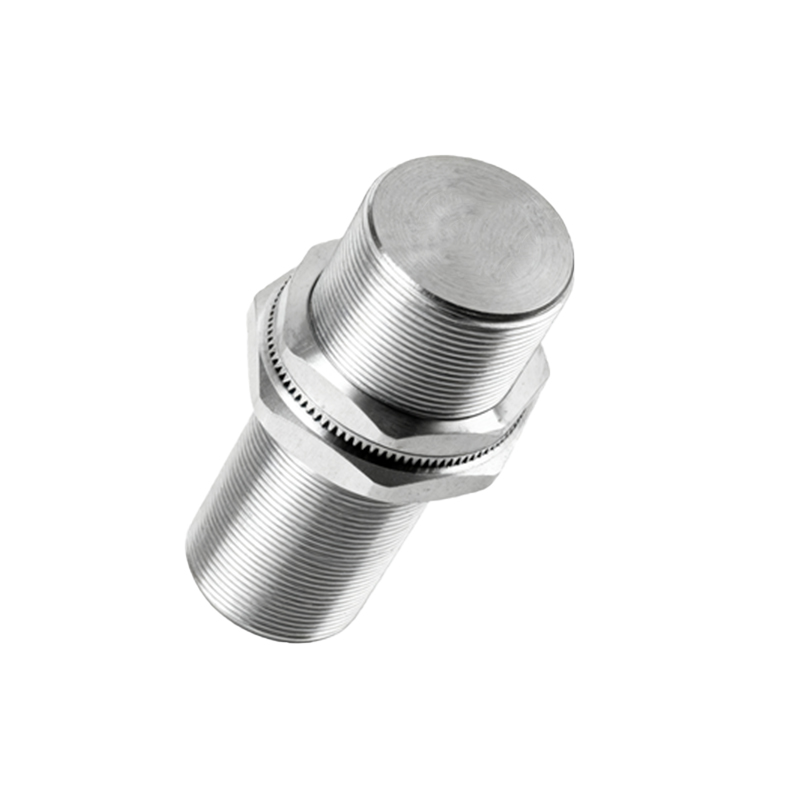
The key advantages of proximity magnetic sensors include their non-contact operation, which eliminates mechanical wear and tear, leading to exceptional longevity and reliability. They are immune to many environmental contaminants like dust, oil, and moisture, especially in sealed housings. Their response is typically very fast, suitable for high-speed counting or position detection. Furthermore, they can operate through non-ferromagnetic materials like aluminum, plastic, or stainless steel (if not magnetic), allowing for innovative mounting solutions where the sensor can be hidden or protected.
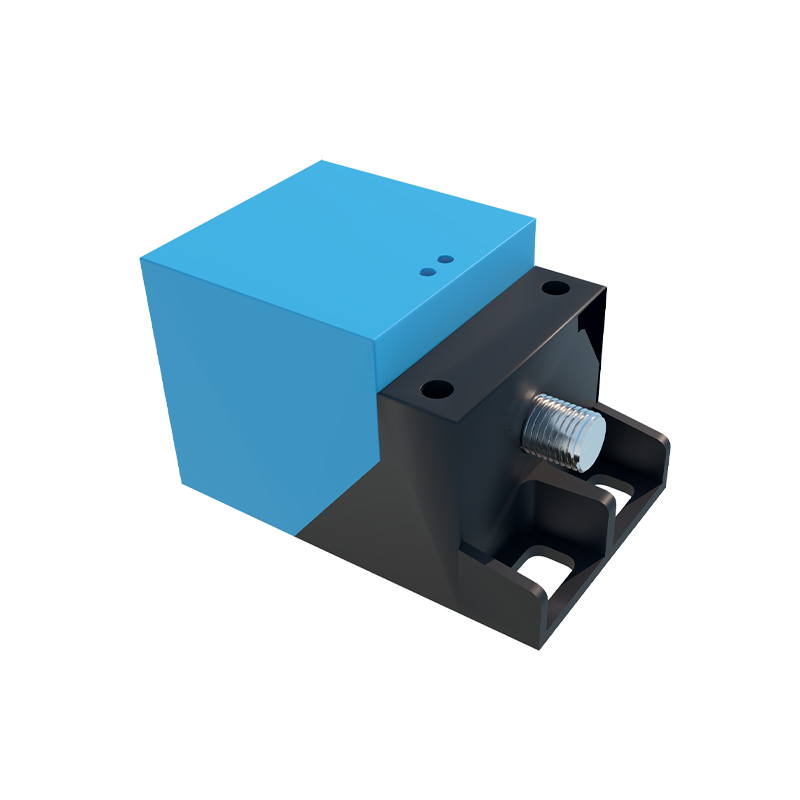
In industrial applications, their uses are vast and critical. One primary application is rotational speed monitoring and counting. Sensors are positioned near gear teeth, turbine blades, or encoder wheels. Each passing tooth alters the magnetic field, generating a pulse. By counting these pulses per unit time, rotational speed (RPM) can be precisely calculated. This is essential in motor control, conveyor belt speed monitoring, and production line item counting.
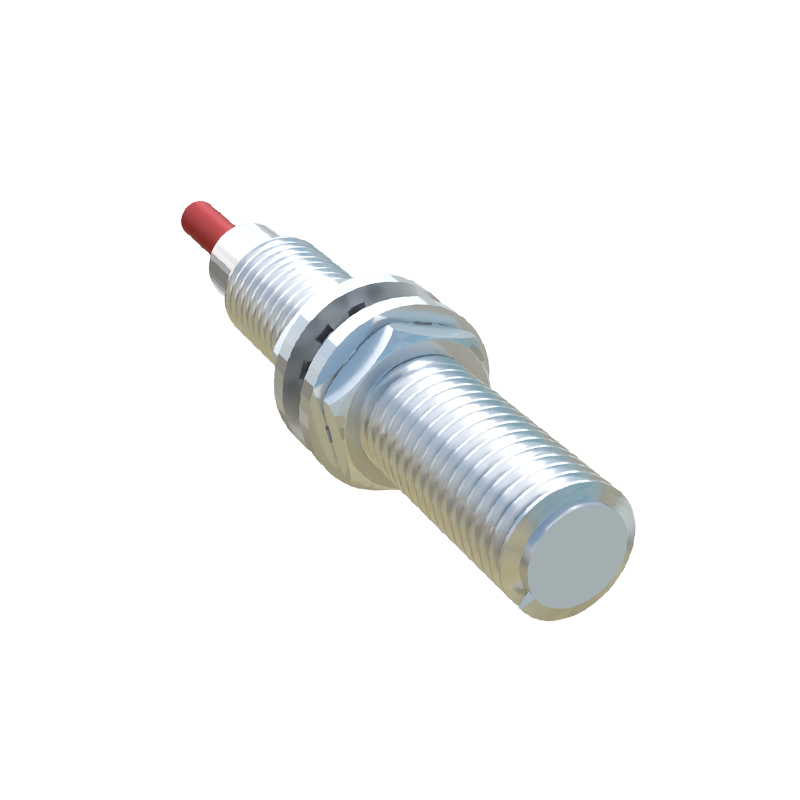
Position and limit sensing is another major area. They are employed as end-of-travel limit switches on linear actuators, cylinder pistons, or elevator doors. A small magnet is attached to the moving part, and the sensor is fixed at the desired limit position. When the magnet aligns with the sensor, it signals that the limit has been reached, stopping or reversing motion. This ensures safe and repeatable machine operation.
In the automotive sector, these sensors are ubiquitous. They function as crankshaft and camshaft position sensors in engine management systems, providing vital timing data to the Engine Control Unit (ECU) for precise fuel injection and ignition timing. They are also used in anti-lock braking systems (ABS) to measure wheel speed by detecting the rotation of a toothed tone ring.
Other notable applications include liquid level detection in tanks using a float with an embedded magnet, security systems for door/window contact sensing, and current sensing by detecting the magnetic field around a current-carrying conductor. In harsh environments found in mining, agriculture, or heavy machinery, their robustness makes them preferable to optical or capacitive sensors.
When selecting a proximity magnetic sensor, engineers must consider factors such as the sensing distance (which is typically shorter than standard inductive sensors), the required output type (PNP/NPN, analog, or digital), the operating voltage, temperature range, housing material (often nickel-plated brass or stainless steel), and protection class (IP rating). Proper shielding may also be necessary if multiple sensors are used in close proximity to avoid mutual interference.
In conclusion, proximity magnetic sensors are indispensable in modern industrial systems due to their simple yet effective operating principle, durability, and versatility. From ensuring the precise timing of an automobile engine to safeguarding the repetitive motion of a robotic arm, they provide the reliable, non-contact detection that forms the backbone of automated control and safety mechanisms across countless industries. Their continued evolution with solid-state technology promises even greater sensitivity, miniaturization, and integration capabilities for the future.