In the realm of industrial automation and electrical engineering, proximity switch sensors are indispensable components for non-contact detection of metallic objects. While much attention is given to the sensor's body, sensing range, and output type, a seemingly minor component—the sensor shim—plays a critical role in installation, alignment, and protection. This article delves into the technical aspects of proximity switch sensor shims, supported by detailed image references, to guide engineers in selection and application.
A proximity sensor shim, often a thin, precisely manufactured metal or plastic washer, is installed between the sensor's sensing face and the mounting surface. Its primary function is to adjust the sensor's effective sensing distance. Proximity sensors have a specified nominal sensing range (Sn). However, in practical installations, factors like flush-mounting requirements or the presence of surrounding metal can reduce this effective range. By inserting a shim of a specific thickness, engineers can fine-tune the position of the sensing face, ensuring reliable object detection without false triggers caused by the mounting bracket itself. High-quality images of shims reveal key features: consistent thickness, smooth parallel surfaces, and a central hole that matches the sensor's barrel diameter. Material choice is crucial; ferrous metal shims are common for inductive sensors, while non-ferrous or plastic shims may be used in specific environments to prevent interference.
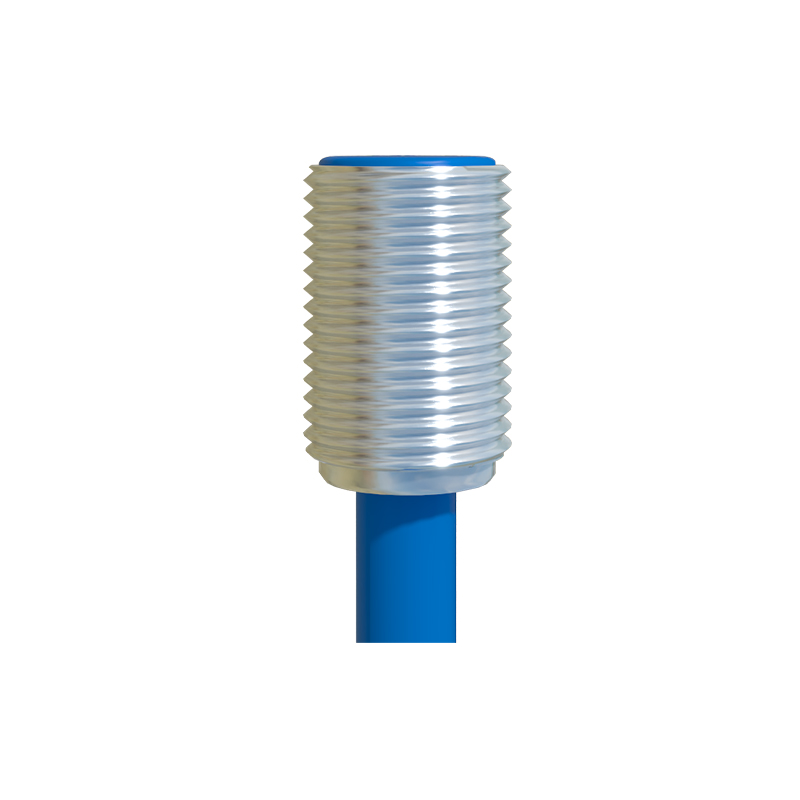
Examining technical diagrams and cross-sectional images is vital. A standard installation image sequence should show: 1) The sensor barrel inserted into a mounting hole in a metal bracket. 2) The potential issue of the bracket material falling within the sensor's reduced effective sensing zone when flush-mounted. 3) The placement of the shim between the sensor's flange and the bracket. 4) The final tightened assembly, where the shim spaces the sensing face away from the bracket, restoring the intended sensing field. These images clearly demonstrate how a shim of, for example, 1mm or 2mm thickness, can be the difference between operational success and failure. Engineers must consult the sensor manufacturer's datasheet, which often provides recommended shim thicknesses based on the bracket material and mounting style.
Beyond distance adjustment, shims serve protective functions. In high-vibration environments, a properly torqued shim can help distribute mechanical stress and prevent damage to the sensor's housing or threads. Images of worn or damaged shims from field applications can be instructive, highlighting the importance of material hardness and corrosion resistance. For instance, stainless steel shims are preferred in washdown or corrosive atmospheres compared to standard carbon steel. Furthermore, some specialized shims come with integrated seals or locking features, adding environmental protection or preventing loosening. Close-up photographs of these advanced shim designs are valuable resources for engineers designing systems for harsh conditions.
In conclusion, while proximity switch sensor shims are small components, their impact on system reliability is significant. Utilizing clear, high-resolution images and technical drawings is essential for proper understanding and specification. Engineers should prioritize shim selection with the same rigor applied to the sensor itself, considering factors like material, thickness, tolerance, and environmental compatibility. Always refer to the OEM documentation for precise guidelines, as an incorrectly specified shim can compromise the entire sensing application. A library of well-categorized shim images serves as an excellent practical reference for troubleshooting and design validation in electrical and automation projects.
