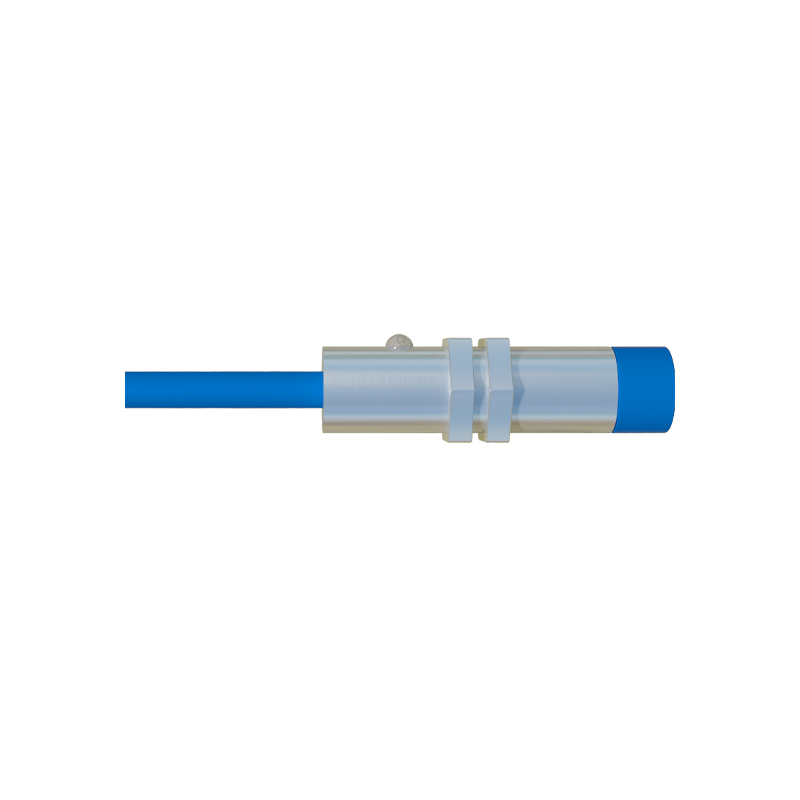
In the realm of industrial automation and control systems, the unsung heroes often reside not in the sophisticated circuitry within, but in the robust shells that protect them. Proximity switch housings and sensor enclosures are critical components that directly influence system reliability, longevity, and performance. Their design and material selection are far from afterthoughts; they are fundamental engineering decisions.
A proximity switch, whether inductive, capacitive, or photoelectric, functions by detecting the presence or absence of an object without physical contact. The housing serves as the first line of defense for the sensitive electronic components and the sensing face. Its primary functions are multifaceted: providing mechanical protection against impact, vibration, and abrasion; ensuring environmental sealing against dust, moisture, oils, coolants, and chemical splashes; and often providing shielding against electromagnetic interference (EMI) that could cause erratic switching behavior. The housing also facilitates secure mounting and, in many designs, allows for precise adjustment or alignment of the sensing field.
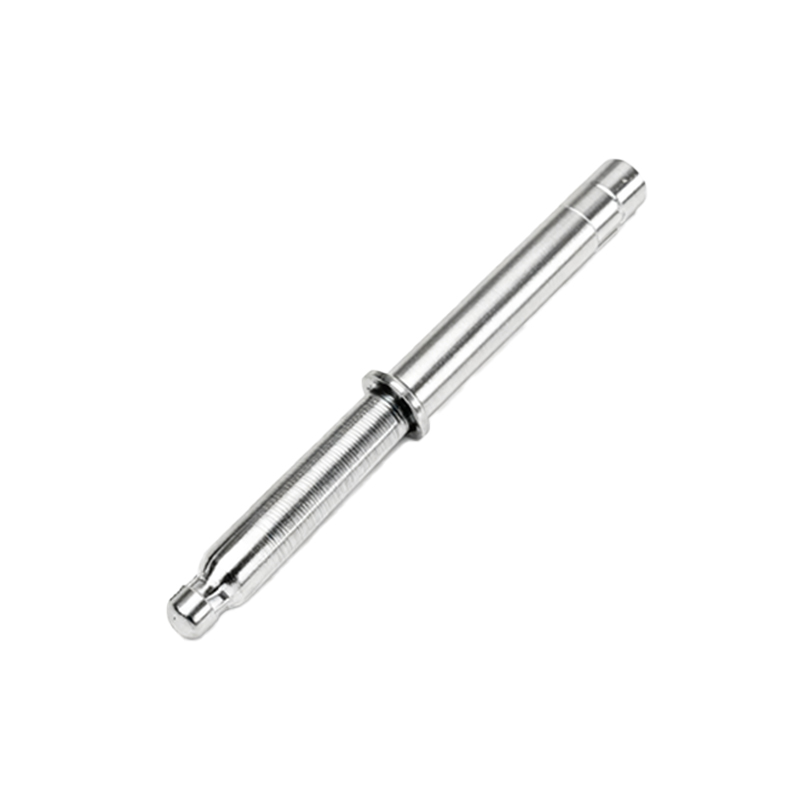
Material selection is paramount. For the vast majority of industrial applications, engineering thermoplastics and metals are the materials of choice. Stainless steel, particularly grades 303, 304, and 316, is extensively used for its exceptional corrosion resistance, high mechanical strength, and ability to withstand extreme temperatures and aggressive washdown environments common in food & beverage or pharmaceutical processing. Brass and nickel-plated brass housings offer good corrosion resistance and are often chosen for cost-effective solutions in less demanding environments.
On the polymer side, thermoplastics like PBT (Polybutylene Terephthalate), PPS (Polyphenylene Sulfide), and PVDF (Polyvinylidene Fluoride) are highly valued. PBT provides excellent dimensional stability, good electrical properties, and resistance to a wide range of chemicals. PPS stands out for its exceptional thermal resistance, inherent flame retardancy, and superb chemical resistance, making it suitable for under-hood automotive applications or near high-temperature processes. PVDF is renowned for its purity, outstanding chemical resistance, and low permeability, ideal for ultra-clean or highly corrosive settings.
The ingress protection rating, defined by the IP (International Protection) code, is a crucial specification. A rating of IP67, for example, certifies the housing is dust-tight (6) and can withstand temporary immersion in water (7). For harsh environments, IP68 and IP69K ratings are specified, with IP69K guaranteeing protection against high-pressure, high-temperature jet washing. The housing design, including gasket geometry, sealant application, and thread design for cable glands or mounting nuts, is meticulously engineered to achieve and maintain these ratings over the product's lifecycle.
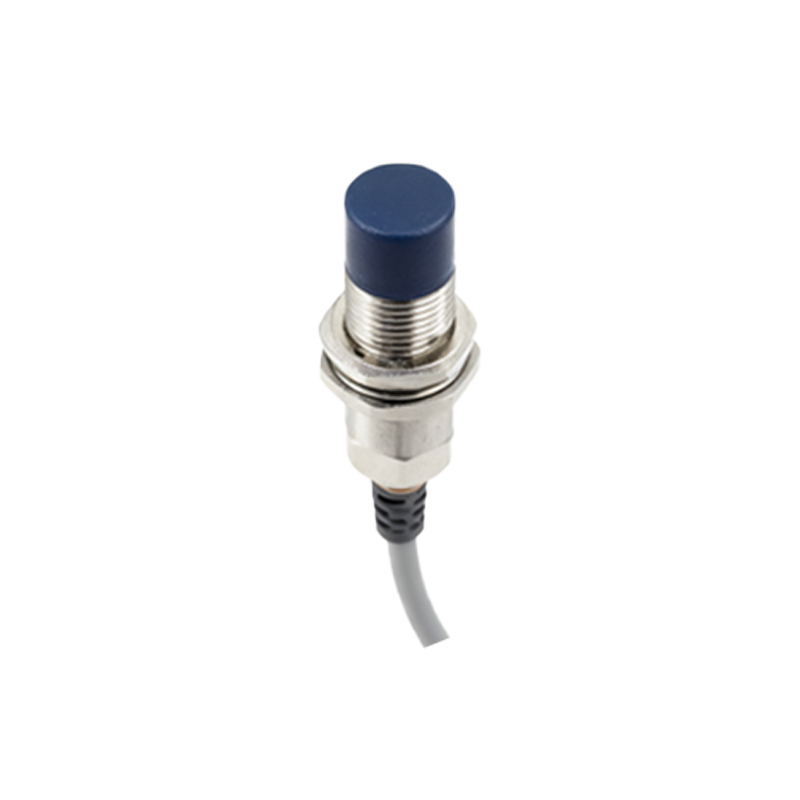
Furthermore, the housing design directly impacts sensing performance. For inductive proximity sensors, the shape and material of the sensing face—often a specialized polymer or ceramic cap integrated into the metal housing—affect the switch's sensing range and field characteristics. "Shielded" or "flush-mountable" housings allow the sensor to be installed embedded in metal without affecting its operation, while "non-shielded" versions offer longer sensing distances but require clearance around the sensing face.
Thermal management is another consideration. Electronic components generate heat, and in high-duty-cycle applications, the housing must facilitate adequate dissipation to prevent internal overheating and drift in switching characteristics. Metal housings naturally excel at this, while designs for plastic housings may incorporate cooling fins or strategic material choices.
In conclusion, specifying a proximity switch or sensor is an exercise in systems engineering. The selection of the appropriate housing material and design—be it stainless steel for a corrosive washdown, PPS for a high-temperature oven line, or a plastic IP69K unit for a rugged agricultural vehicle—is as critical as selecting the sensing technology itself. It is this robust interface between the sensitive internal electronics and the often brutal external world that ensures precise, reliable, and continuous operation, forming the durable backbone of modern automated systems. Investing in the right enclosure is an investment in reduced downtime, lower maintenance costs, and overall operational excellence.