Proximity sensors are critical components in modern industrial automation, robotics, and safety systems, detecting the presence or absence of objects without physical contact. To ensure their reliability and accuracy, specialized testing instruments are employed. These instruments operate based on fundamental principles that simulate real-world conditions and evaluate sensor performance. Understanding these principles is essential for engineers and technicians involved in maintenance, calibration, and quality control.
The core principle behind proximity sensor testing involves generating a controlled electromagnetic or capacitive field, depending on the sensor type. Inductive proximity sensors, commonly used for metal detection, rely on an oscillator circuit that creates a high-frequency electromagnetic field. When a metallic object enters this field, eddy currents are induced, causing a change in oscillation amplitude. Testing instruments for inductive sensors mimic this effect by introducing a standardized metal target at precise distances. The instrument measures the sensor's response, including its switching point, hysteresis, and repeatability. Key parameters assessed are the sensing distance (nominal and effective), response time, and temperature stability. Advanced testers can also evaluate the sensor's output signal (e.g., PNP/NPN, analog, or IO-Link) under varying supply voltages and load conditions.
For capacitive proximity sensors, which detect both metallic and non-metallic materials, testing instruments generate a controlled electrostatic field. The principle hinges on changes in capacitance when an object enters the sensing zone. Testers use dielectric materials with known permittivity to simulate targets, measuring the sensor's ability to detect substances like plastics, liquids, or granular materials. Parameters such as sensitivity adjustment, offset compensation, and drift over time are critical. Instruments often include environmental chambers to test performance under different humidity and temperature levels, as capacitive sensors are sensitive to ambient conditions.
Ultrasonic and photoelectric proximity sensors require different testing methodologies. Ultrasonic sensors emit sound waves and measure echo return time. Testing instruments employ acoustic reflectors at calibrated distances to verify ranging accuracy, beam angle, and resolution. They also assess immunity to acoustic noise and temperature variations affecting sound speed. Photoelectric sensors, using light beams (infrared, laser, or visible), are tested with optical targets that mimic reflectivity or opacity. Instruments measure response time, light intensity thresholds, and alignment accuracy. For fiber-optic variants, attenuation and bend loss tests are conducted.
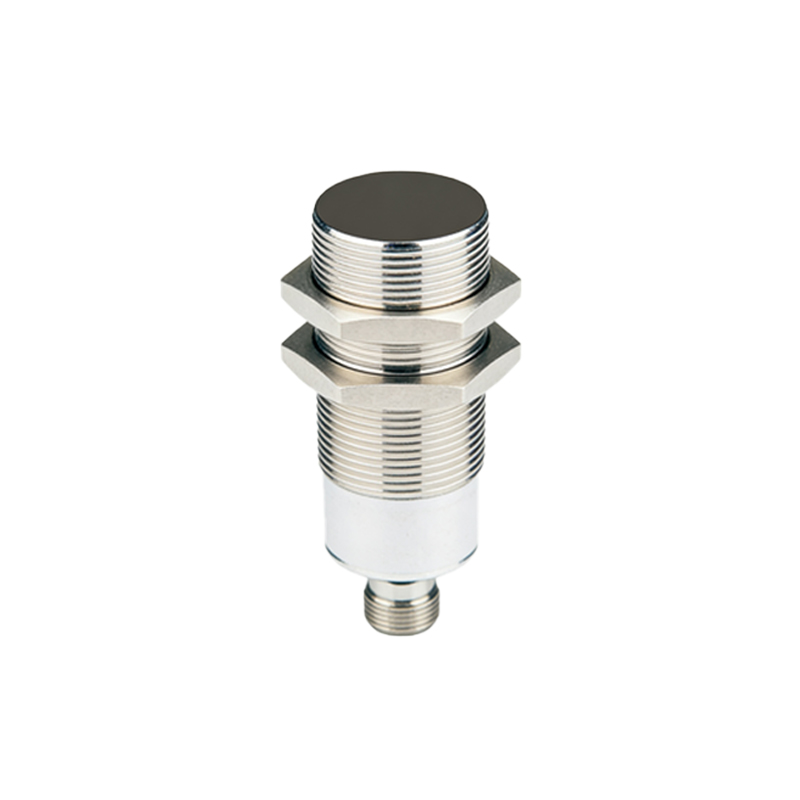
Modern testing instruments integrate microprocessors and software for automated, data-driven analysis. They adhere to international standards like IEC 60947-5-2, ensuring compliance with safety and performance norms. Principles of operation include signal conditioning, analog-to-digital conversion, and comparative algorithms that benchmark sensor outputs against predefined tolerances. Features like programmable test sequences, data logging, and connectivity (USB, Ethernet) enable integration into Industry 4.0 frameworks. Calibration of these testers is traceable to national standards, maintaining measurement integrity.
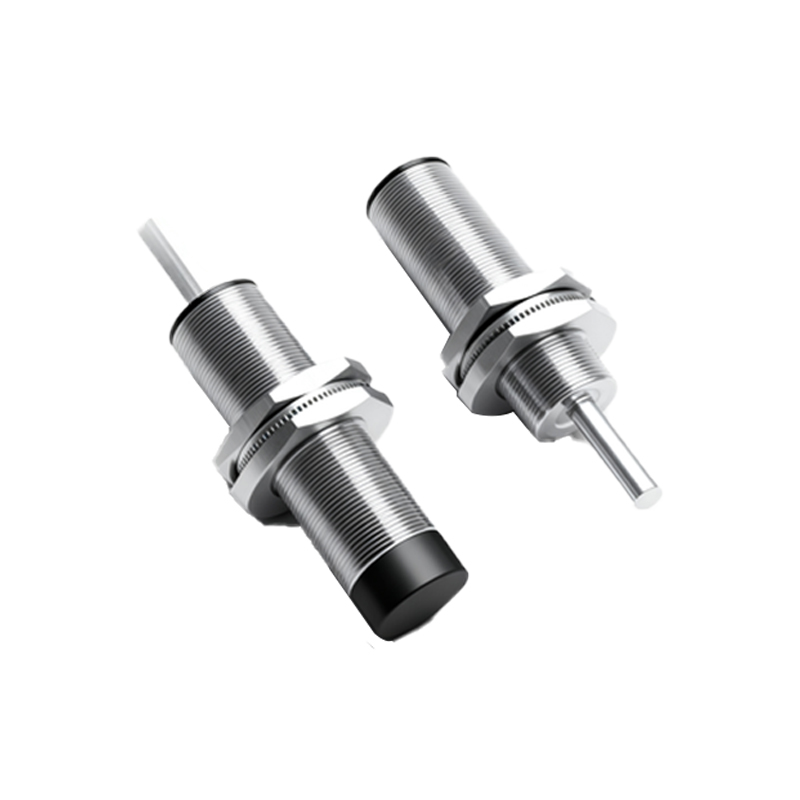
In practice, testing instruments help diagnose common sensor failures, such as drift, false triggering, or output degradation. By applying these principles, engineers can optimize sensor selection, reduce downtime, and enhance system efficiency. As sensors evolve with smart capabilities, testing instruments are incorporating protocols for diagnostics and predictive maintenance, leveraging IoT and cloud analytics. Ultimately, mastering the principles of proximity sensor testing ensures robust automation systems, where precision and reliability are paramount in applications from assembly lines to autonomous vehicles.