In the realm of industrial automation and electronic control systems, the proximity sensor stands as a fundamental component, enabling machines to "sense" the presence or absence of nearby objects without any physical contact. This non-contact detection capability is crucial for enhancing efficiency, reliability, and safety across countless applications. But what exactly is a proximity sensor?
At its core, a proximity sensor is a device that detects the presence of an object (often referred to as the "target") within a specified range, known as the sensing distance or range. Upon detection, it converts this information into an electrical signal. The key advantage is the lack of mechanical contact, which eliminates wear and tear, reduces maintenance, and allows for high-speed operation and detection of fragile or sensitive objects.
The working principle of a proximity sensor depends on its type, which is primarily defined by the technology it employs. The most common categories include Inductive, Capacitive, Ultrasonic, and Photoelectric sensors.
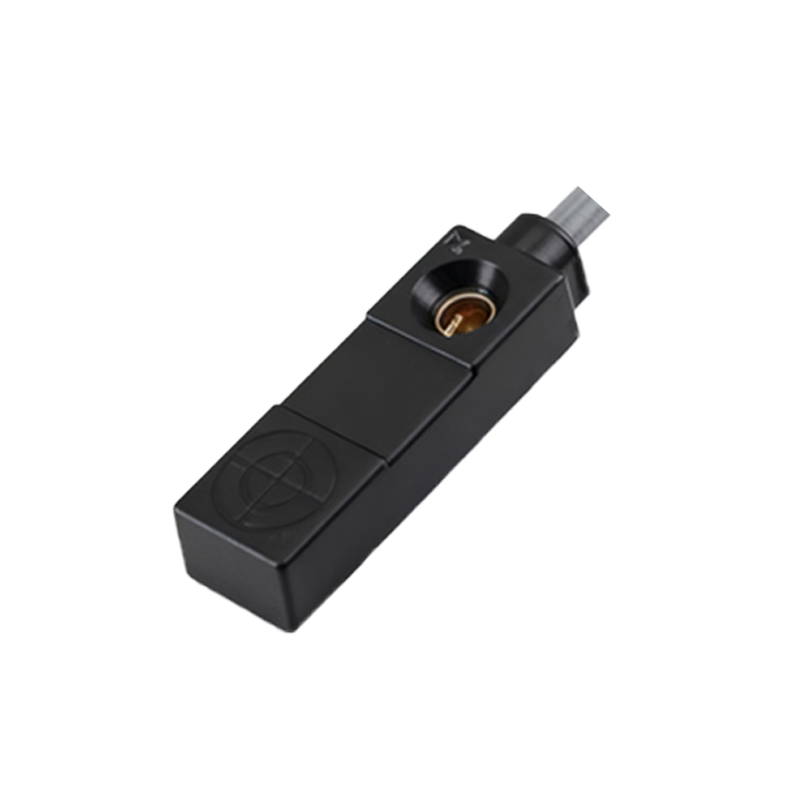
Inductive Proximity Sensors are arguably the most prevalent in industrial settings. They generate an electromagnetic field. When a metallic target (typically ferrous metals like iron and steel, though some can detect non-ferrous metals) enters this field, it induces eddy currents within the target. This change in the electromagnetic field is detected by the sensor's oscillator circuit, triggering an output switch. These sensors are ideal for detecting metal objects in harsh environments, resistant to dirt, dust, and moisture. Their sensing range is relatively short, usually from a few millimeters to about 60 millimeters.
Capacitive Proximity Sensors operate by generating an electrostatic field. They can detect both metallic and non-metallic materials, such as liquids, plastics, glass, wood, and granules. The sensor's face and the target act as two plates of a capacitor. When a target enters the sensing field, it changes the capacitance of the circuit, which is measured and used to trigger the output. This makes them versatile for applications like liquid level detection, material handling, and presence detection of non-metallic objects. Their sensing range is similar to inductive types.
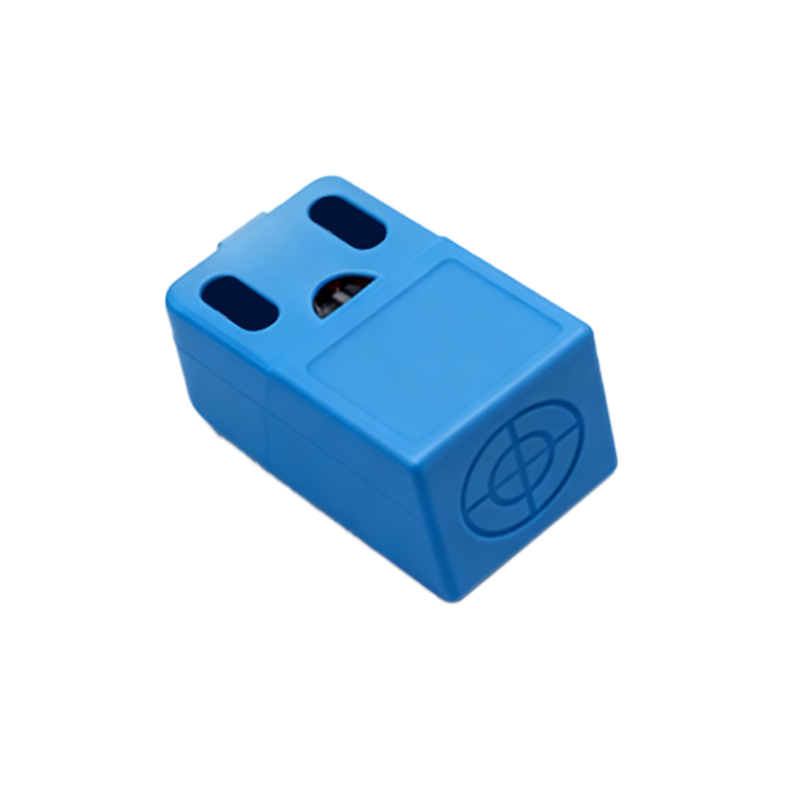
Ultrasonic Proximity Sensors work on the principle of sound wave reflection. They emit high-frequency sound waves (ultrasound) and measure the time it takes for the echo to return after bouncing off a target. By calculating this time-of-flight, the sensor can determine both the presence and the distance to the object. These sensors are excellent for detecting objects of virtually any material, shape, or color, and are unaffected by dust, smoke, or light conditions. They are commonly used for distance measurement, level control in tanks, and object detection over longer ranges (from centimeters to several meters).
Photoelectric Sensors, while sometimes categorized separately, function as proximity devices. They consist of a light emitter (usually LED) and a receiver. In the proximity-sensing mode (diffuse or reflective type), the sensor emits a light beam; when a target is present, it reflects the light back to the receiver, triggering the output. They offer longer sensing ranges than inductive/capacitive sensors and can detect small objects and various materials, but their performance can be affected by color, transparency, and environmental conditions like ambient light or dirt.
The output from these sensors is typically a discrete on/off signal (digital output), commonly in the form of a PNP or NPN transistor switch, or a relay contact. Increasingly, sensors with analog outputs (4-20 mA or 0-10V) or IO-Link digital communication are used to provide continuous data, such as precise distance information.
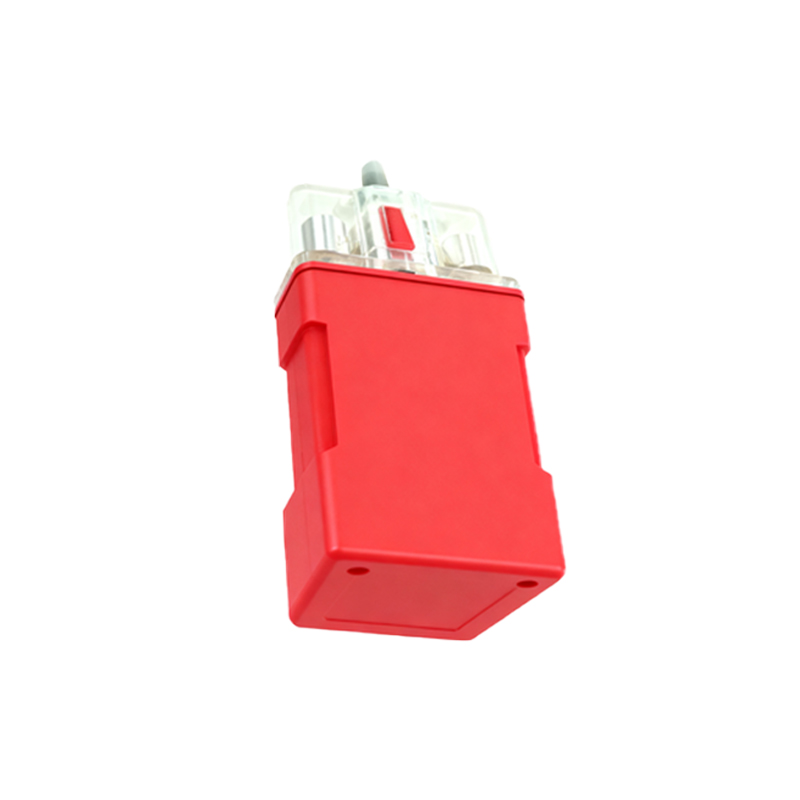
The applications of proximity sensors are vast and integral to modern industry. On assembly lines, they count products, detect positions for robotic arms, and verify part presence. In packaging machinery, they ensure correct filling levels and label positioning. They provide end-of-travel detection for cylinders and actuators, control automated doors and elevators, and ensure safety by monitoring guard positions. In the automotive sector, they are ubiquitous for position sensing and process control. Their robustness allows them to function in extreme temperatures and washdown environments in food and beverage plants.
Selecting the right proximity sensor requires careful consideration of several factors: the target material (metal, plastic, liquid), the required sensing distance, the operating environment (temperature, humidity, potential contaminants), the output type needed, the electrical requirements (voltage, current), and the physical size and mounting constraints.
In conclusion, the proximity sensor is a silent workhorse of automation. By providing reliable, non-contact detection, it forms the essential sensory layer that feeds critical data to controllers like PLCs, enabling precise, efficient, and intelligent machine operation. From simple presence detection to complex positioning tasks, understanding the types and principles of these sensors is key to designing effective and resilient automated systems.