In the realm of industrial automation, proximity sensors and Programmable Logic Controllers (PLCs) form a critical partnership that drives efficiency, precision, and reliability. Proximity sensors, which detect the presence or absence of objects without physical contact, are widely used for tasks such as object counting, position verification, and limit switching. However, their true potential is unlocked when integrated with PLCs, which serve as the central brain of automated systems. This article explores the fundamental reasons behind using PLCs to control proximity sensors, highlighting technical advantages and practical applications.
First, PLCs provide a centralized control platform that can process inputs from multiple proximity sensors simultaneously. In a typical setup, proximity sensors are connected to the input modules of a PLC. When a sensor detects an object—whether through inductive, capacitive, or ultrasonic principles—it sends an electrical signal to the PLC. The PLC’s processor then executes a pre-programmed logic sequence based on this input, triggering outputs such as activating motors, solenoids, or alarms. This centralized approach simplifies wiring, reduces hardware complexity, and allows for real-time monitoring of entire production lines. For instance, in automotive assembly, dozens of proximity sensors monitor part placement, with a single PLC coordinating robotic arms and conveyor belts to ensure seamless operation.
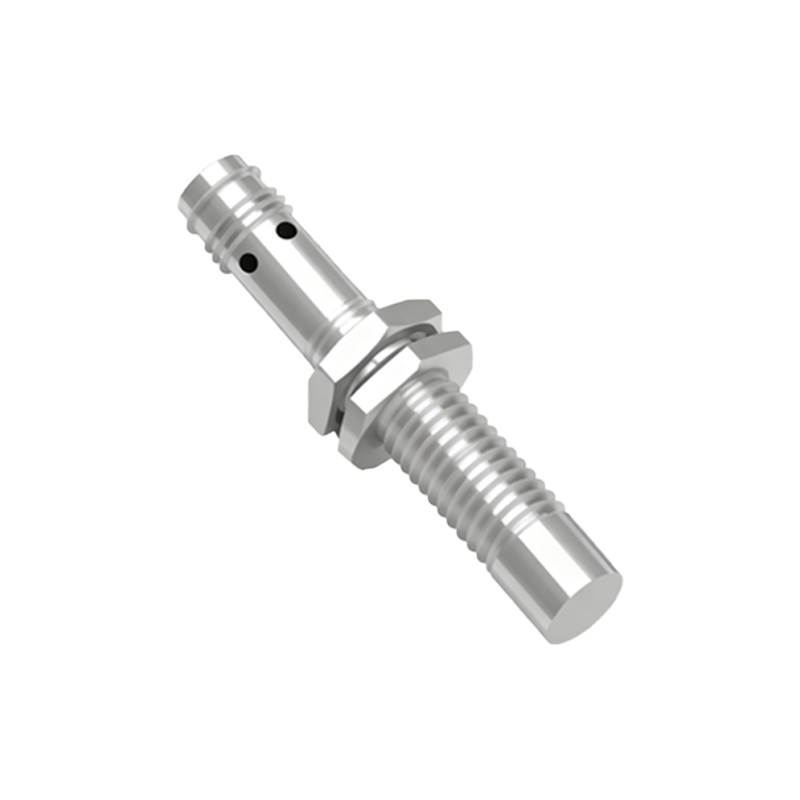
Second, PLCs offer unparalleled flexibility and scalability. Unlike hard-wired relay systems, PLC programs can be easily modified to adapt to changing production needs without rewiring. If a manufacturing process requires adding more proximity sensors or altering their logic—say, from detecting metal to detecting plastic—engineers can update the PLC software quickly. This programmability reduces downtime and costs associated with reconfiguration. Moreover, PLCs support various communication protocols (e.g., Ethernet/IP, Profibus, Modbus), enabling seamless integration with other industrial devices like Human-Machine Interfaces (HMIs) and Supervisory Control and Data Acquisition (SCADA) systems. This connectivity allows operators to visualize sensor data, set parameters, and diagnose issues remotely, enhancing overall system intelligence.
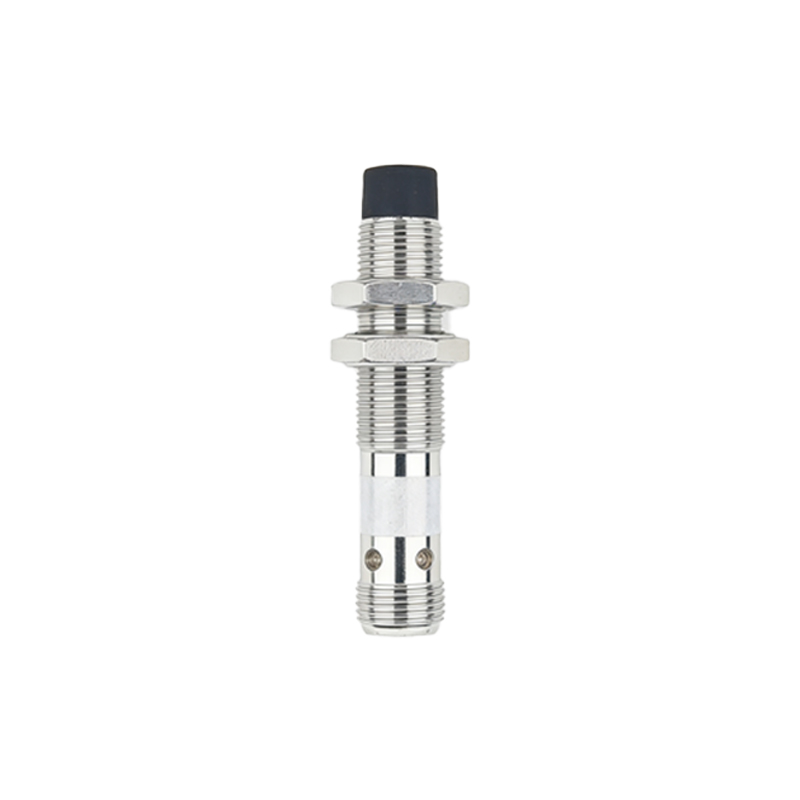
Third, reliability and robustness are key factors. Industrial environments often involve harsh conditions—vibrations, temperature extremes, dust, and electromagnetic interference. Proximity sensors are designed to withstand these challenges, but their signals can be susceptible to noise. PLCs incorporate filtering and isolation features to ensure accurate signal processing, minimizing false triggers. Additionally, PLCs are built for 24/7 operation with fail-safe mechanisms, such as redundant processors and backup power supplies. This durability ensures that sensor-controlled processes, like packaging machinery or material handling systems, maintain high uptime and safety standards. For example, in food processing plants, capacitive proximity sensors detect liquid levels in tanks, with PLCs regulating pumps to prevent overflow—a task where reliability is non-negotiable.
Fourth, PLCs enable advanced functionality beyond basic detection. By leveraging sensor inputs, PLCs can perform complex calculations, data logging, and predictive maintenance. For instance, a PLC can monitor the response time of inductive proximity sensors on a high-speed bottling line, alerting technicians to wear before a failure occurs. This predictive capability reduces maintenance costs and prevents unplanned stoppages. Furthermore, PLCs facilitate integration with safety systems; if a proximity sensor detects an operator entering a hazardous zone, the PLC can immediately halt machinery via safety relays, complying with standards like ISO 13849.
In summary, the synergy between proximity sensors and PLCs is foundational to modern automation. PLCs provide centralized control, adaptability, and enhanced reliability, transforming simple sensor signals into actionable intelligence. As industries evolve toward smart factories and Industry 4.0, this combination will continue to drive innovation, enabling more efficient, safe, and connected operations. Engineers and system designers should prioritize PLC-based control for proximity sensor applications to maximize performance and future-proof their installations.