In the dynamic landscape of industrial automation, the demand for precision and reliability has never been higher. Cylindrical proximity sensors, as critical components in detection and control systems, play a pivotal role in ensuring seamless operations across various sectors, including manufacturing, automotive, and packaging. Customizing these sensors to meet specific application requirements is not just an option but a necessity for optimizing performance and enhancing efficiency.
Cylindrical proximity sensors are non-contact devices designed to detect the presence or absence of objects within their sensing range. They operate on principles such as inductive, capacitive, or magnetic sensing, with inductive types being the most common in industrial settings due to their robustness in detecting metallic objects. The standard cylindrical design, typically housed in a metal or polymer body, offers durability and ease of installation, but off-the-shelf models may fall short in specialized environments. This is where customization becomes essential.
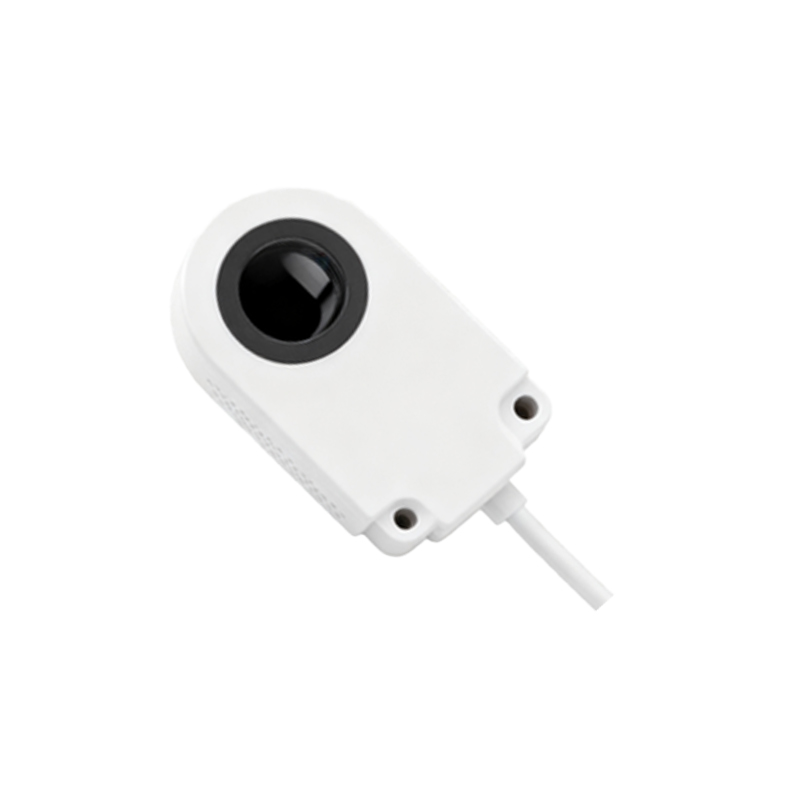
The customization process begins with a thorough analysis of the application's unique parameters. Factors such as sensing distance, environmental conditions, material compatibility, and output requirements must be carefully evaluated. For instance, in high-temperature environments like foundries or welding lines, sensors need to withstand extreme heat without compromising accuracy. Custom solutions may involve using heat-resistant materials, such as stainless steel housings or specialized coatings, to extend the sensor's lifespan. Similarly, in washdown areas common in food processing or pharmaceutical industries, sensors require IP67 or higher ingress protection ratings to resist moisture, chemicals, and particulate contamination.
Another critical aspect of customization is the sensing range. Standard cylindrical proximity sensors often have fixed detection distances, but applications like robotic arms or conveyor systems may demand adjustable or extended ranges. By tailoring the coil design or electronic circuitry, manufacturers can develop sensors with precise sensing capabilities, reducing false triggers and improving system responsiveness. Additionally, output configurations—whether NPN, PNP, analog, or IO-Link—can be customized to integrate seamlessly with existing control systems, ensuring compatibility and reducing installation time.
Material selection also plays a vital role in sensor performance. In corrosive environments, such as chemical plants or marine settings, standard materials may degrade quickly. Customizing with corrosion-resistant alloys or plastics enhances durability and reduces maintenance costs. Furthermore, for applications involving non-metallic objects, capacitive cylindrical sensors can be customized with specific dielectric constants to detect materials like glass, wood, or liquids, expanding their utility beyond traditional metal detection.
The electrical characteristics of cylindrical proximity sensors are another area for customization. Voltage requirements, current consumption, and response times can be optimized to match power supply constraints and operational speeds. For battery-powered or energy-efficient systems, low-power sensor variants can be developed to minimize energy usage without sacrificing detection reliability. Shielding options, such as shielded or unshielded designs, can also be tailored to prevent electromagnetic interference in densely packed machinery, ensuring stable performance in complex industrial setups.
Beyond technical specifications, customization extends to physical dimensions. While standard cylindrical sensors come in common sizes like M8, M12, M18, or M30, space-constrained applications may require miniaturized or elongated designs. Custom threading, connector types, or cable lengths can be specified to fit specific mounting arrangements, simplifying integration and reducing the need for additional adapters. This attention to detail not only improves functionality but also contributes to a cleaner, more organized installation.
In practice, successful customization relies on collaboration between engineers and sensor manufacturers. By sharing application insights and performance data, clients can work with experts to prototype and test custom sensors under real-world conditions. This iterative process ensures that the final product meets all operational demands, from accuracy and speed to longevity and cost-effectiveness. Case studies in automotive assembly lines, for example, demonstrate how customized cylindrical sensors with enhanced vibration resistance have reduced downtime and improved quality control.
Looking ahead, the trend toward Industry 4.0 and smart manufacturing is driving further innovation in sensor customization. Integration with IoT platforms allows for real-time monitoring and predictive maintenance, where custom sensors can be equipped with diagnostic features or communication protocols like IO-Link for data exchange. This connectivity enables proactive adjustments, minimizing unplanned outages and boosting overall productivity.
In conclusion, customizing cylindrical proximity sensors is a strategic approach to addressing the unique challenges of modern industrial applications. By focusing on factors such as environmental resilience, sensing precision, material compatibility, and electrical optimization, businesses can achieve higher efficiency, reduced costs, and enhanced system reliability. As technology evolves, the ability to tailor these sensors will continue to be a key enabler of automation excellence, empowering industries to adapt and thrive in an increasingly competitive landscape.