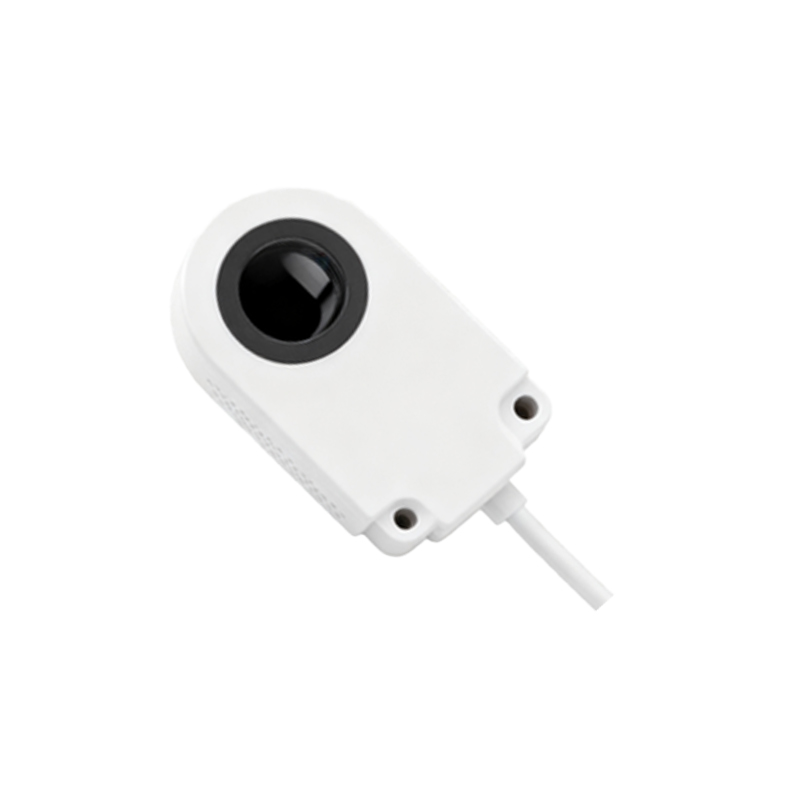
In the realm of industrial automation and machinery, proximity switch sensor boxes represent a critical junction where sensing technology meets practical, robust housing and connectivity. These enclosures are far more than simple protective shells; they are integrated systems designed to ensure the reliable operation of inductive, capacitive, or photoelectric proximity sensors in challenging environments. Understanding their function, key selection criteria, and diverse applications is essential for engineers and maintenance professionals.
The primary role of a proximity switch sensor box is to house and protect the sensor's electronic circuitry and connection points. Industrial settings are rife with potential hazards such as metal dust, coolant fluids, extreme temperatures, physical impacts, and electromagnetic interference. A well-designed NEMA or IP-rated enclosure safeguards the sensitive components from these elements, dramatically extending the sensor's service life and preventing costly downtime. The box typically features a durable material like nickel-plated brass, stainless steel, or engineered plastics, chosen based on the environmental conditions.
Beyond protection, the sensor box provides a standardized and secure point for electrical connections. Most boxes come with pre-drilled entry points for conduit or cable glands, facilitating neat and strain-relieved wiring. Internally, they often include terminal blocks or plug connectors that simplify the wiring process for power supply, output signal, and sometimes diagnostic LEDs. This centralized connection point makes installation, troubleshooting, and replacement procedures significantly faster and more efficient. Instead of dealing with wires directly at a tiny sensor head, technicians work within the more accessible confines of the box.
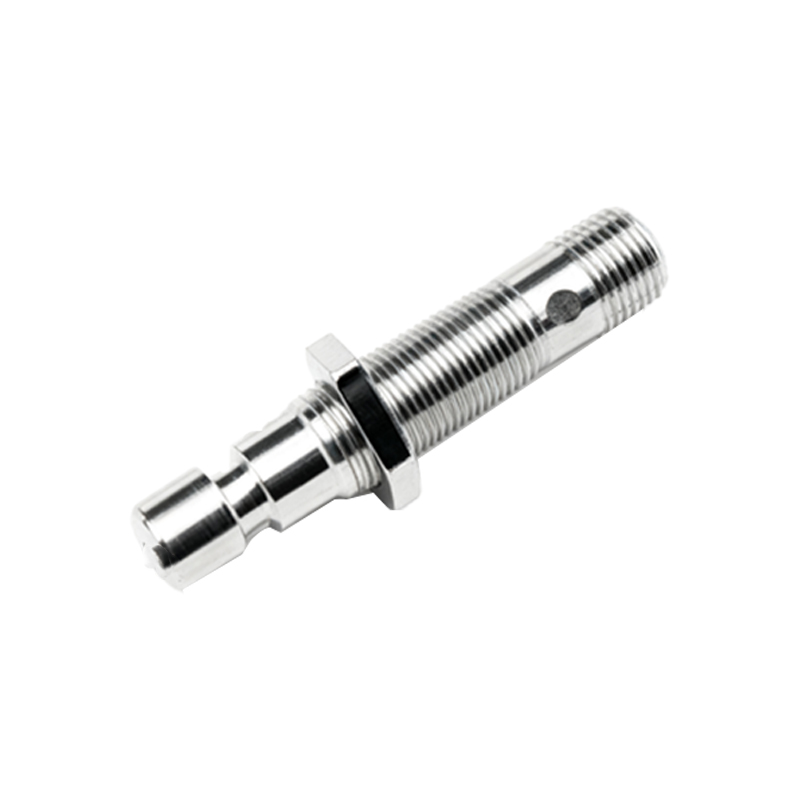
Selecting the right proximity switch sensor box requires careful consideration of several factors. The environmental rating is paramount. An IP67-rated box, for example, offers protection against temporary immersion and dust ingress, making it suitable for washdown areas in food processing. For corrosive atmospheres, such as in chemical plants, stainless steel or specially coated housings are necessary. The size and number of entry ports must align with the cable and conduit specifications. Additionally, the internal space must be sufficient to accommodate the sensor's amplifier or controller unit and allow for proper heat dissipation.
Another crucial aspect is the sensor type compatibility. Boxes are often designed for specific sensor families or output types (e.g., NPN, PNP, analog, IO-Link). Some are empty enclosures where a modular sensor amplifier is mounted, while others are pre-assembled units with an integrated sensor head connected via a short cable. The choice depends on the required sensing distance, the need for flexibility, and installation constraints. For instance, in space-tight applications, a compact, pre-wired box might be ideal, whereas a larger, modular box allows for future upgrades or adjustments.
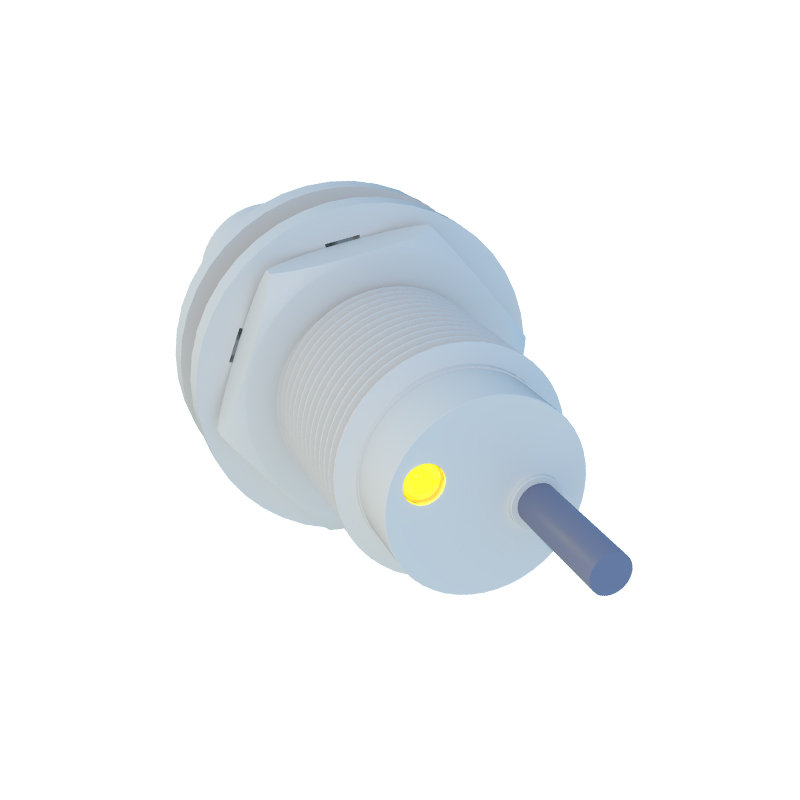
The applications of proximity switch sensor boxes are vast and cross-industry. In automotive manufacturing, they are used on robotic welding arms to detect part presence and positioning, with their boxes protecting against weld spatter. On packaging lines, they count products or verify lid placement, with enclosures resisting moisture and vibration. In material handling, they monitor the position of pallets on conveyors, enduring constant mechanical shock. In heavy machinery, they serve as limit switches for cylinder position feedback, housed in ruggedized boxes that survive high pressure washes and temperature swings.
Proper installation and maintenance are the final keys to success. The sensor box should be mounted securely to minimize vibration. Cables should be routed away from high-power lines to avoid signal noise. Even with a protective box, periodic checks for debris accumulation on the sensor face and verification of the enclosure's seal integrity are recommended preventive measures. A loose cable gland can compromise an entire IP rating, leading to premature failure.
In conclusion, the proximity switch sensor box is an indispensable component in modern industrial systems. It transforms a sensitive electronic sensor into a rugged, reliable, and maintainable workhorse. By carefully matching the enclosure's specifications to the environmental demands and sensor requirements, engineers can build automation systems that are not only intelligent but also resilient, ensuring continuous operation and maximizing return on investment. The humble sensor box, therefore, is a testament to the principle that in industrial design, protection and connectivity are just as vital as the core sensing technology itself.