In the landscape of modern industrial automation, safety and precision are paramount. Among the myriad of components that ensure these standards, light curtain proximity sensors stand out as a critical technology. These devices, often referred to as safety light curtains or optical guards, are non-contact sensing systems designed to protect personnel and equipment in hazardous environments. Essentially, they create an invisible curtain of infrared light beams between an emitter and a receiver. When an object or person interrupts this beam array, the sensor triggers an immediate safety response, such as halting machinery or activating alarms, thereby preventing accidents.
The primary function of light curtain proximity sensors is to provide robust safety guarding. In applications like robotic work cells, press brakes, and automated assembly lines, they serve as a first line of defense. Unlike physical barriers, they allow for seamless operation without impeding workflow, as they do not require direct contact with the machinery. This non-intrusive nature enhances operational efficiency while maintaining high safety standards. For instance, in a manufacturing plant where workers interact with heavy machinery, these sensors can detect even the slightest intrusion into a danger zone, enabling rapid shutdowns that mitigate risks of injury or damage.
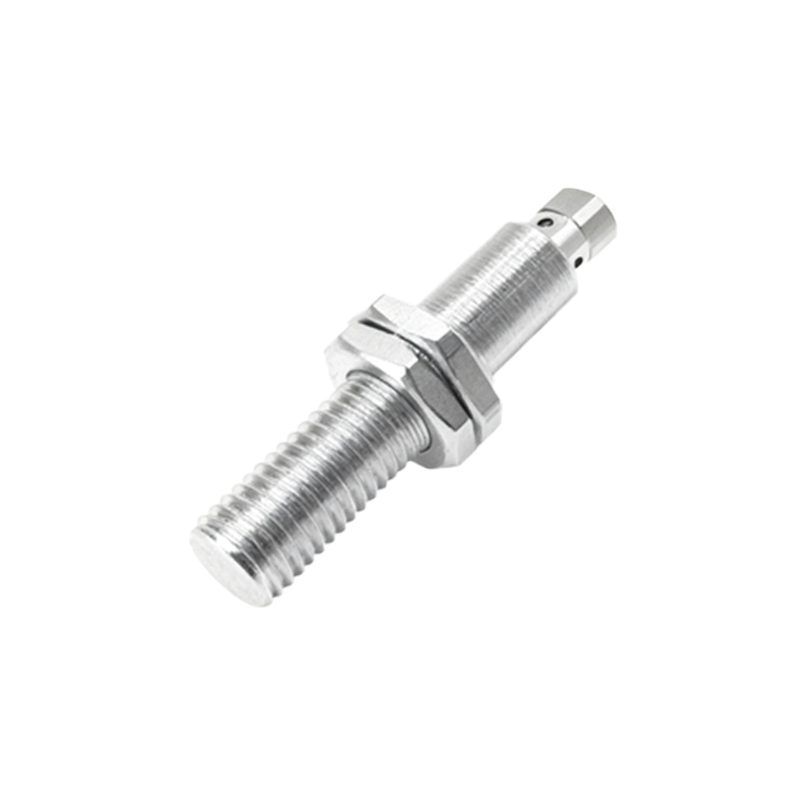
Beyond safety, these sensors contribute significantly to process optimization and quality control. In precision tasks, such as material handling or packaging, they can detect the presence, position, or size of objects with high accuracy. This capability allows for automated adjustments in production lines, reducing errors and minimizing downtime. For example, in conveyor systems, light curtains can monitor item alignment and trigger corrective actions if misalignment occurs, ensuring consistent product quality. Their versatility extends to various industries, including automotive, pharmaceuticals, and logistics, where reliable sensing is crucial for smooth operations.
The technology behind light curtain proximity sensors has evolved to meet diverse industrial needs. Modern variants offer features like muting, blanking, and cascading, which enhance flexibility. Muting allows temporary suspension of the safety function during non-hazardous operations, such as when materials pass through the curtain, without compromising overall safety. Blanking enables specific beams to be ignored, useful in applications where fixed obstructions exist within the sensing field. Cascading permits multiple light curtains to be linked for larger coverage areas, ideal for complex machinery setups. These advancements ensure that sensors can be tailored to specific environments, boosting both safety and productivity.
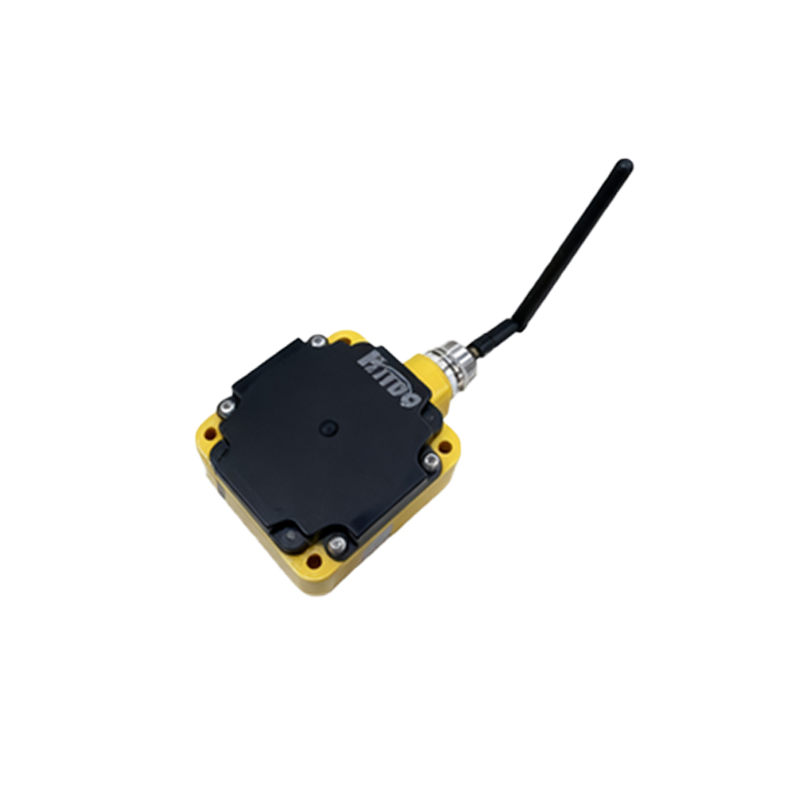
Installation and maintenance are straightforward, thanks to their modular design. Most light curtains are easy to integrate into existing control systems, often compatible with Programmable Logic Controllers (PLCs) and other industrial interfaces. Regular checks involve cleaning optical surfaces to prevent false triggers from dust or debris, and calibration to maintain beam alignment. With robust construction, they withstand harsh conditions like vibration, temperature fluctuations, and exposure to chemicals, ensuring long-term reliability. As industries embrace Industry 4.0, these sensors are increasingly connected to IoT networks, enabling real-time monitoring and predictive maintenance for enhanced operational intelligence.
In summary, light curtain proximity sensors are indispensable in today's automated industries. They bridge the gap between safety and efficiency, offering a non-contact solution that protects workers while optimizing processes. As technology advances, their role is set to expand, driving smarter and safer manufacturing ecosystems. Engineers and operators should prioritize their implementation to uphold the highest standards of industrial automation, ensuring a future where productivity and protection go hand in hand.