Proximity sensors are indispensable components in modern industrial automation, offering non-contact detection of objects within a specific range. Understanding the various models available is crucial for selecting the right sensor for an application. This article delves into common proximity sensor models, their operating principles, and typical use cases.
Inductive proximity sensors are widely used for detecting metallic objects. Models such as the E2A series by Omron, the BI series by Schneider Electric, and the XS series by Siemens are industry standards. These sensors generate an electromagnetic field and detect changes caused by metallic targets. Key specifications include sensing distance, which ranges from 2mm to 60mm depending on the model, housing material (often nickel-plated brass or stainless steel), and output type (PNP/NPN). They are ideal for applications like metal detection in conveyor systems, position sensing in machinery, and part counting in assembly lines.
Capacitive proximity sensors can detect both metallic and non-metallic materials, including liquids, plastics, and wood. Popular models include the E2K series by Omron, the CQ series by Pepperl+Fuchs, and the BC series by Balluff. These sensors work by measuring changes in capacitance when an object enters their electrostatic field. Typical sensing distances vary from 3mm to 40mm. They are commonly employed in level detection for tanks, material handling for packaging, and presence sensing of non-metallic objects in food processing industries.
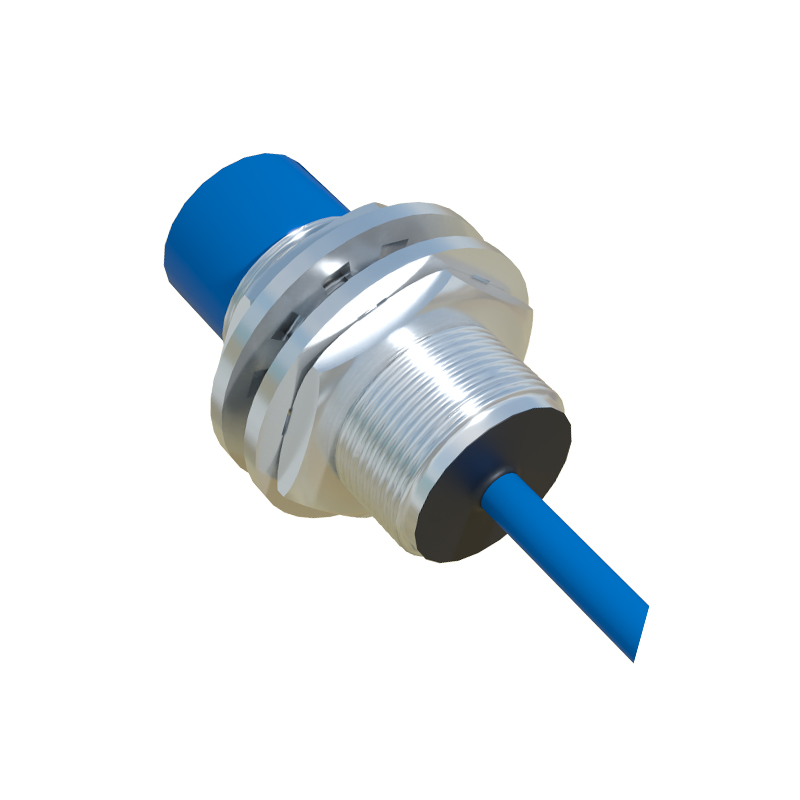
Ultrasonic proximity sensors utilize sound waves to detect objects, regardless of material composition. Models like the UC series by Sick, the UM series by ifm electronic, and the Q4X series by Banner Engineering are prominent examples. They offer longer sensing ranges, from 20mm up to 8 meters, and are suitable for challenging environments with dust, moisture, or varying temperatures. Applications include distance measurement, object profiling, and liquid level control in harsh industrial settings.
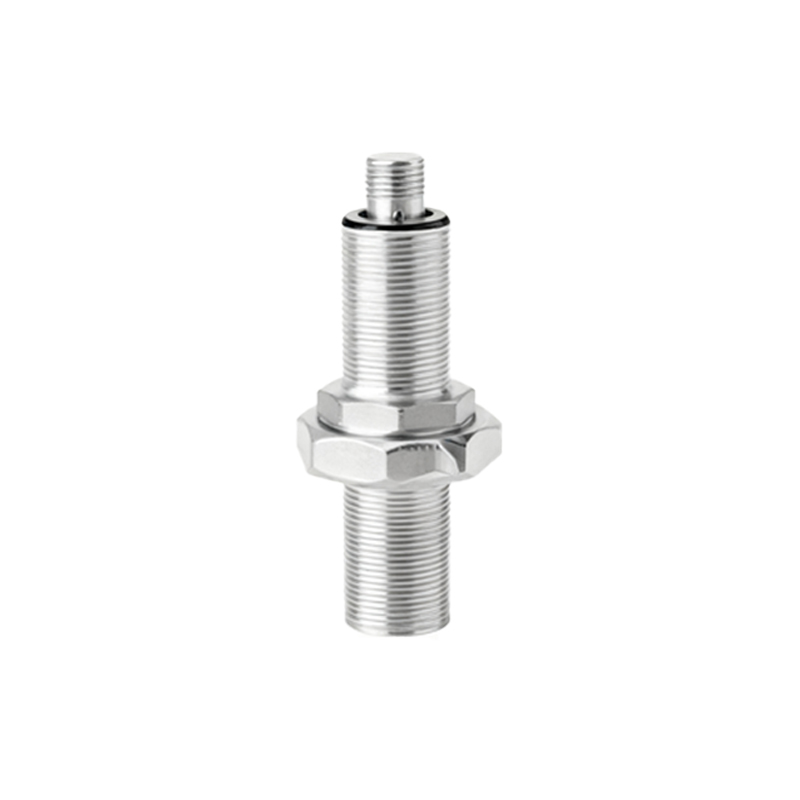
Photoelectric sensors, though sometimes categorized separately, function as proximity sensors using light beams. Models such as the E3Z series by Omron, the WLL series by Leuze, and the PM series by Keyence are extensively used. They come in through-beam, retro-reflective, and diffuse reflection types, with ranges extending from a few centimeters to over 100 meters. These sensors excel in detecting small objects, transparent materials, and high-speed operations in electronics manufacturing and logistics automation.
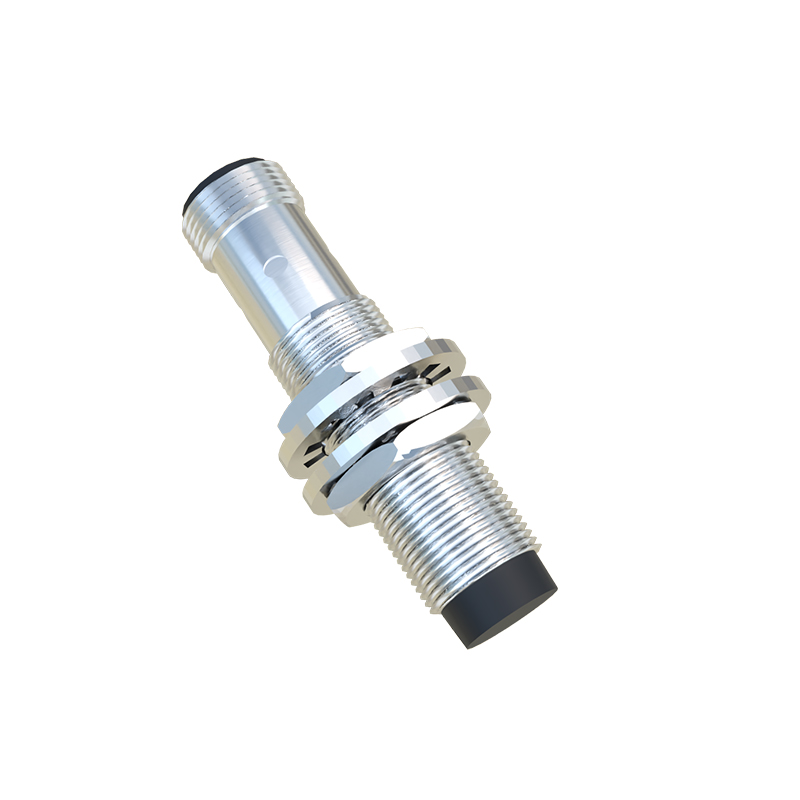
When selecting a proximity sensor model, engineers must consider factors like target material, required sensing distance, environmental conditions (temperature, humidity, contaminants), electrical specifications (voltage, output configuration), and housing design (cylindrical, rectangular, or specialized shapes). International standards such as IEC 60947-5-2 ensure reliability and safety.
In summary, the choice of proximity sensor model directly impacts system performance and efficiency. Inductive models are best for metals, capacitive for diverse materials, ultrasonic for long-range and tough conditions, and photoelectric for precision and versatility. Regular maintenance and adherence to manufacturer guidelines, such as proper mounting and wiring, prolong sensor life and ensure optimal operation in industrial automation setups.