In the competitive landscape of industrial automation, procuring high-quality components like Balluff proximity sensors at optimal value is a critical skill for engineers and procurement specialists. These sensors, renowned for their precision, durability, and innovation in inductive, capacitive, and magnetic technologies, are staples in manufacturing, packaging, and robotics. However, their premium positioning often necessitates strategic negotiation to align with project budgets without compromising on the reliability that Balluff is known for. Successful negotiation is not merely about demanding a lower price; it's a nuanced process built on preparation, relationship-building, and a clear understanding of mutual value.
The foundation of any effective negotiation is comprehensive preparation. Before engaging with a Balluff distributor or representative, conduct a thorough technical audit. Precisely define your application requirements: required sensing distance, housing material (e.g., stainless steel, PBT), output type (PNP/NPN, analog, IO-Link), and connection method. Balluff's extensive portfolio, including their robust BES and compact BOS series, offers many alternatives. Understanding the specific model you need and its potential substitutes within their range provides leverage. Furthermore, research market benchmarks. While Balluff competes with brands like Sick, Pepperl+Fuchs, and Omron, its value proposition often lies in specialized features like extreme temperature tolerance, hygienic designs for food & beverage, or advanced diagnostics via IO-Link. Quantify your volume needs, both immediate and projected for the year. A clear forecast of 500 units annually is a more powerful negotiating tool than a vague promise of "future business."
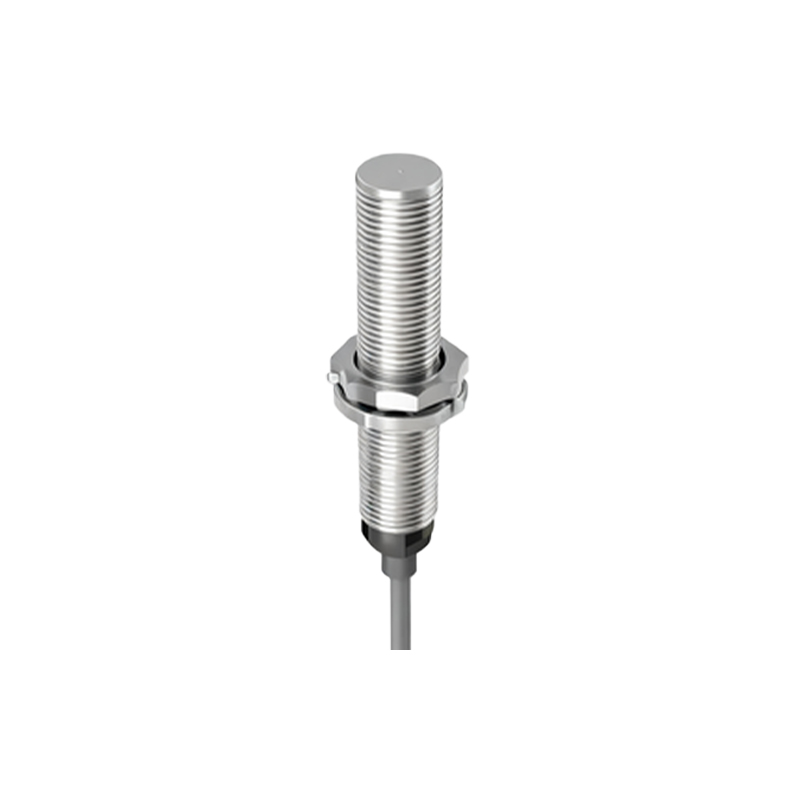
Building a strong, technical relationship with your Balluff channel partner is invaluable. Approach them as a solutions engineer, not just a buyer. Discuss your application challenges in detail. A skilled Balluff representative can often suggest a sensor configuration or a slightly different model that meets your technical needs at a better price point or with added functionality that reduces total cost of ownership. Demonstrating technical competence earns respect and shifts the conversation from pure price to total value. Inquire about evaluation samples for testing; this shows serious intent and allows you to verify performance firsthand. Utilize Balluff's extensive technical resources—white papers, CAD models, and selection guides—to solidify your specifications before quoting.
When the discussion turns to price, frame your requests around the logic of partnership and volume. Instead of a blunt "your price is too high," use phrasing like, "To justify standardizing on Balluff across our new production line, we need to achieve a cost position closer to [target price based on your research]. Can we explore options based on a firm order of X units with a scheduled release?" Be prepared to discuss terms beyond unit cost. Consider negotiating on payment terms, shipping costs, lead times, or bundling with complementary items like cables or mounting brackets. Inquire about standard discounts for volume tiers, blanket orders, or first-time projects. Balluff and its distributors often have programs for OEMs or large-scale integrators. If an immediate price reduction isn't feasible, negotiate for added value: request extended warranty coverage, free access to training modules for your maintenance team, or dedicated technical support for installation.
Timing can significantly impact your negotiation success. Engage with suppliers during their fiscal quarter or year-end periods when sales teams are motivated to meet targets. Conversely, avoid last-minute purchases for urgent projects, as this weakens your bargaining position. For ongoing needs, propose a long-term agreement (LTA) with predefined pricing and annual volume commitments. This provides cost predictability for you and stable demand for the supplier, creating a classic win-win scenario. Always secure final quotes in writing, ensuring all negotiated terms—price, part numbers, delivery schedules, and any special conditions—are explicitly documented.
Ultimately, negotiating for Balluff proximity sensors is an exercise in aligning their engineering excellence with your financial and operational objectives. By preparing meticulously, fostering a collaborative technical dialogue, and negotiating strategically on total value, you can secure the sensor performance essential for your automation systems while achieving a sustainable and competitive cost structure. This disciplined approach ensures your projects benefit from German-engineered precision and reliability, supporting uptime and quality without straining capital budgets.